Will My Hair Take More Bleach?
Whether your hair can take more bleach depends on the result you want, how it would be applied, your colour history, and how strong your hair is now. A gentle lift is very different from going dark to light. The safest way to decide is with a professional consultation and testing.
Whether your hair can take more bleach depends on more than just its colour.
It depends on the result you want and how we would safely get you there.
There is no single rule that works for everyone.

It depends on four key things
• The result you want to achieve
• The technique used to get you there
• Your previous colour history
• How strong or sensitised your hair already is
A gentle lift to add warmth is very different from removing colour and going from dark to light.
The approach, the speed, and the level of risk all change.
Hair that feels stretchy, dry, or breaks easily may need a different plan.
Hair that feels strong, smooth, and elastic when wet may be able to go again.
This is one of the most common questions we hear.
And it is the right question to ask.
Because bleach does not fail.
Hair fails when it is pushed too far.
The real question is not
Can it go lighter
It is
Can it stay healthy if it does
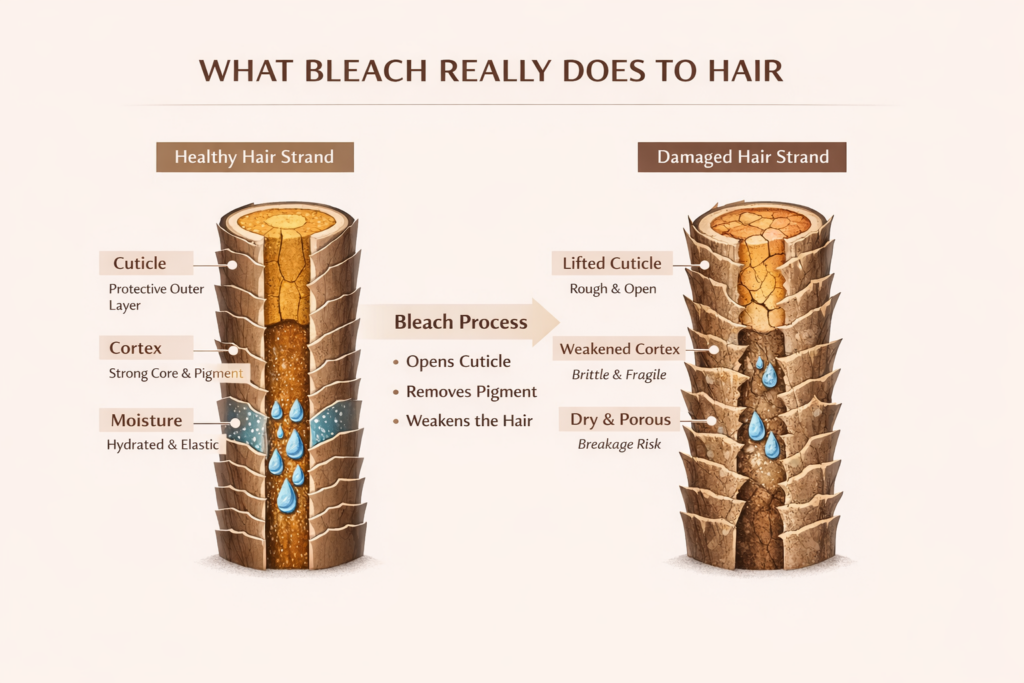
What Does Bleach Really Do to Hair?
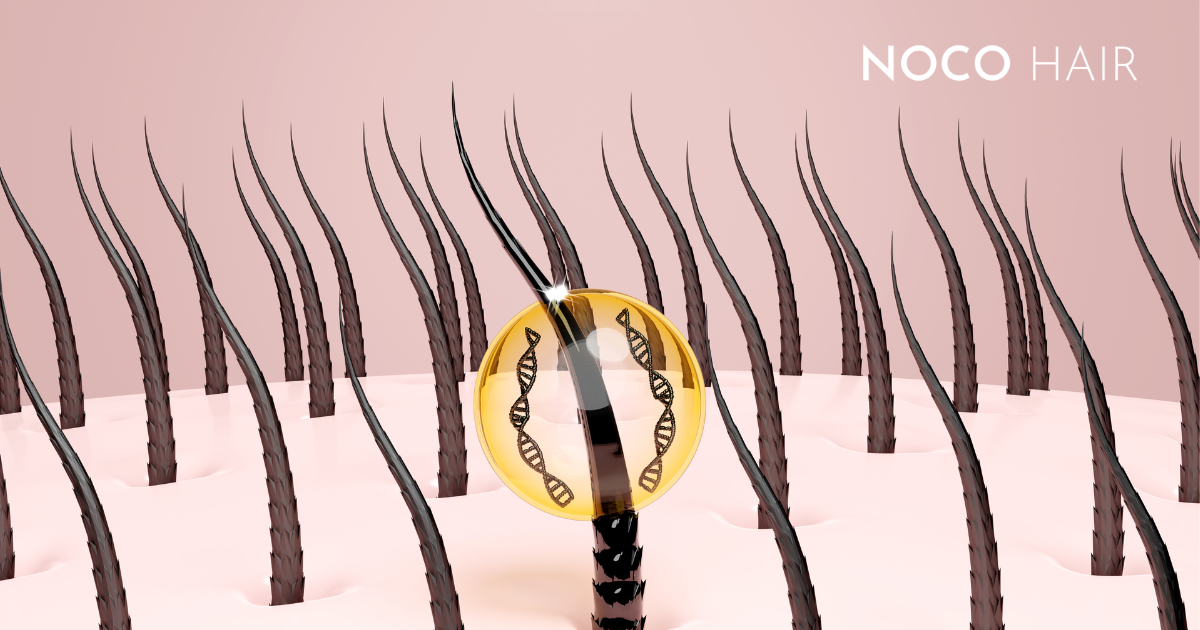
Bleach opens the outside of the hair.
This outer layer protects it.
Once opened, bleach moves inside the hair.
It removes pigment to make hair lighter.
At the same time, it removes strength.
Every bleach service comes with risk.
Because bleach is a chemical process.
Some hair can handle this.
Some hair cannot.
That is why checks matter.
Signs Your Hair Is Not Ready for More Bleach
These signs do not always mean your hair is damaged.
They are simply signals worth checking properly.
If you notice any of these signs,
your hair may be asking for a pause or a different plan.
• Hair feels stretchy or gummy when wet
• Hair snaps when brushed
• Ends feel rough or fluffy
• Hair will not hold moisture
• Colour fades very fast
In many cases, hair like this can still be worked on safely.
It just needs the right approach.
This is not about stopping.
This is about doing it well.

Signs Your Hair Might Take More Bleach
Some hair can go again.
But only with the right plan.
These signs can point to good strength.
They do not replace a professional check.
Healthy hair usually feels…
• Feels smooth not rough
• Has stretch but returns back
• Looks shiny not dull
• Breaks very little
Even then
A strand test still comes first.
Because hair can look strong
but respond differently once bleach is applied.

Why A Strand Test Matters
A strand test is usually done as part of a consultation.
Before colouring or bleaching, we do not guess.
We test your hair first.
A strand test means taking a small section of your hair and applying colour or bleach to it.
This lets us see how your hair actually reacts before we work on the whole head.
It shows us
• How fast your hair lifts
• How evenly it lifts
• How much strength it keeps
• When it is safest to stop
As part of this, we also check elasticity.
An elasticity test is a simple flexibility check.
We gently place a strand of hair between two fingers and give it a light stretch.
• If the hair stretches and returns, it usually has good strength
• If it snaps straight away, it may be dry or brittle
• If it stretches too much and does not return, it may need more protein or support
Together, these tests help us build the right plan.
This matters most when bleaching over existing bleach,
or when your hair has been coloured before.
That is where damage can build quickly if hair is pushed too far.
Testing first is not about slowing things down.
It is about protecting your hair and getting the best possible result.
Why Time Between Bleaching Matters
Why Time Between Bleaching Matters
Timing matters.
But it is not the same for everyone.
It depends on
• How short or long your hair is
• How much new growth you have
• The type of colour or bleach being used
• Whether bleach would overlap hair that is already light
Bleaching over previously lightened hair needs care.
That is where patchiness and damage can happen if timing is rushed.
In many cases, the ends do not need to be bleached again.
If they are already light and healthy, we protect them.
Different techniques need different timing
Scalp bleach
If you are keeping a very light blonde at the root, this usually needs refreshing around every six to eight weeks.
Waiting much longer increases the risk of overlap and sensitivity.
Balayage
Balayage can be done open air or foiled.
It is one of the softest and lowest maintenance colour techniques.
Many people only refresh balayage every four to six months.
Highlights
Highlight timing depends on how light you want to go and how much contrast you like.
Some people return sooner for brightness.
Others prefer longer gaps for a softer grow out.
In all cases, we are careful around areas that are naturally more fragile, such as the hairline and previously lightened sections.
If you are refreshing roots only, around six weeks is often a good guide.
At this point, regrowth is clear and the work stays controlled.
Waiting longer can still be done.
It just takes more time, care, and protection.
The goal is not speed.
It is even colour and healthy hair.
Pushing too soon does not save time.
It costs hair.
Can Products Fix Hair Enough to Bleach Again?
Products can help.
But they do not perform miracles.
Modern bond builders and treatments have come a long way.
They can protect the hair during colour
and often improve how it feels.
They can
• Improve softness and manageability
• Reduce breakage
• Support strength during bleaching
But there is a limit.
Feeling better does not always mean the hair is stronger.
Products cannot replace hair that has already been lost.
And they cannot fully repair hair that is severely compromised.
When hair is healthy enough,
products can make bleaching safer and more comfortable.
When hair is not,
the safest option is to pause and rebuild first.
The key is knowing the difference.
That comes from proper assessment, not guesswork.
The answer is not better bleach.
It is better timing.
Can My Hair Take More Bleach?
This is the real question.
And the honest answer is
sometimes yes
sometimes not
and sometimes yes, but only in a specific way.
Bleach does not behave the same in every situation.
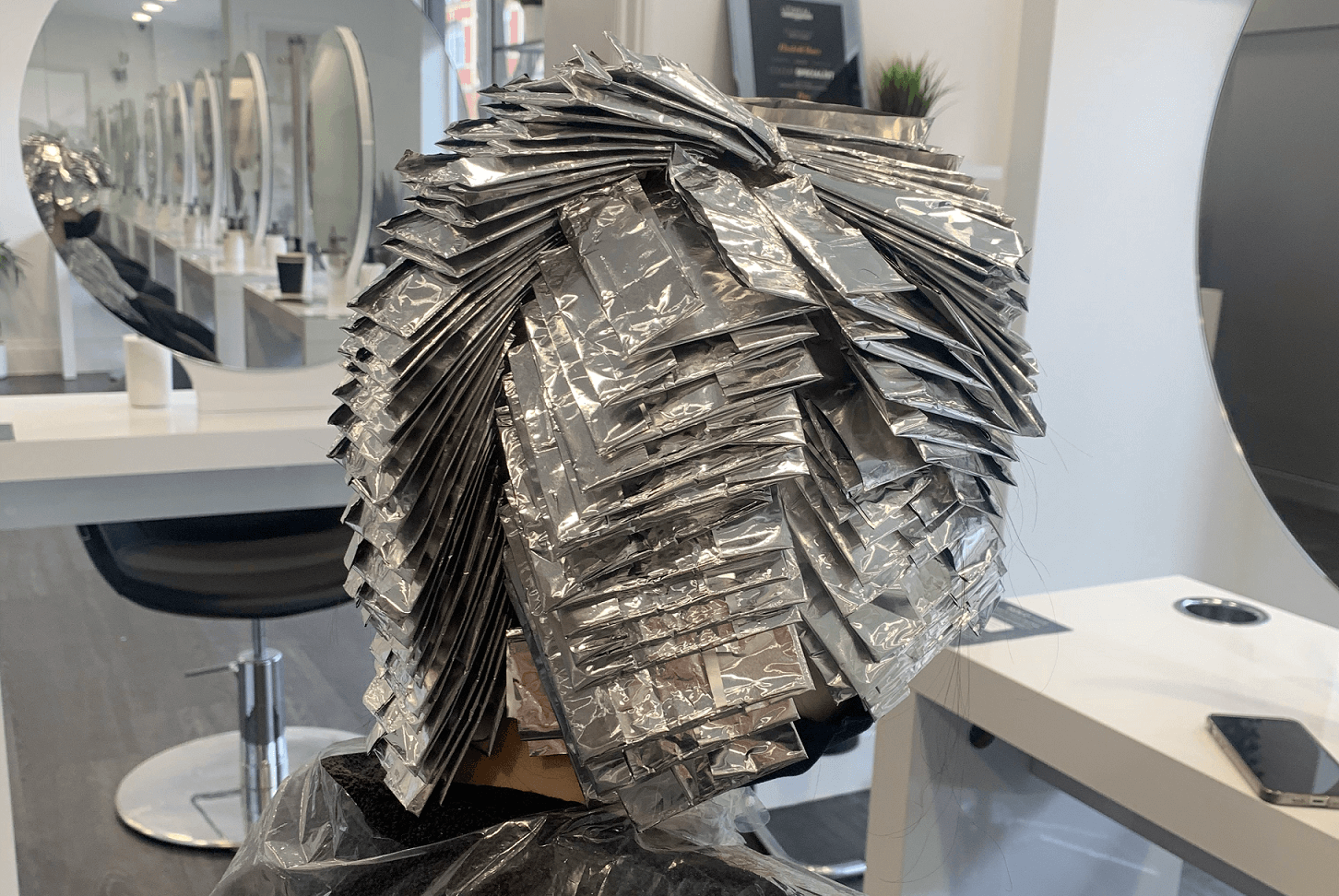
When hair is wrapped in foil,
the heat builds.
The lift is stronger.
The risk is higher.
When bleach is applied in open air,
the process is slower.
The lift is gentler.
The hair has more protection.
That is why technique matters.
In some cases, lifting low and slow is the safest option.
In others, a stronger lift can be used carefully.
It depends on the hair, not just the colour goal.
There is always some level of risk when colouring hair.
The role of a professional is to manage that risk properly.
That is done by
• Checking the strength of the hair
• Doing a strand test
• Doing a stretch test
• Understanding what result actually suits you
From there, a clear plan is made.
Not just to get lighter.
But to keep your hair healthy along the way.
A Simple Next Step
If you are unsure
do not guess at home.
A professional, check can save time
and protect your hair.
Book a consultation.
Test the hair.
Make a clear plan.
That is how healthy blonde is built.
Frequently Asked Questions
Can my hair take more bleach?
Sometimes yes, sometimes no. It depends on the strength of your hair, previous colour history, and how the bleach would be applied. A professional check is the safest way to decide.
Does the result I want affect whether my hair can take more bleach?
Yes. A gentle lift is very different from removing colour and going dark to light. Technique, speed, and level of risk all change depending on the result.
Is bleaching over already bleached hair risky?
It can be. Overlapping bleach is where most damage happens. In many cases, previously lightened ends do not need to be bleached again and are protected instead.
Do foils make bleaching stronger?
Yes. Foils increase heat and speed up lift. Open air techniques are slower and gentler. The safest option depends on the hair and the desired result.
Is a strand test always needed?
Not always. A strand test is recommended when hair has been bleached before, when colour plans change, or when the hair’s reaction is uncertain.
What is the difference between a strand test and an elasticity test?
A strand test checks how hair reacts to bleach or colour. An elasticity test checks how flexible and strong the hair is when stretched.
Can products make my hair strong enough to bleach again?
Products can help support strength and reduce breakage, but they cannot replace hair that has already been lost or fully repair severely compromised hair.
How long should I wait between bleaching appointments?
There is no single rule. Around six weeks often works well for root work. Longer gaps can still be managed but usually require more time and care.
Will bleaching always damage my hair?
There is always some level of risk when colouring hair. The goal is not to remove risk completely, but to manage it properly through testing, planning, and technique.