5 Hair Care Tips for Curls

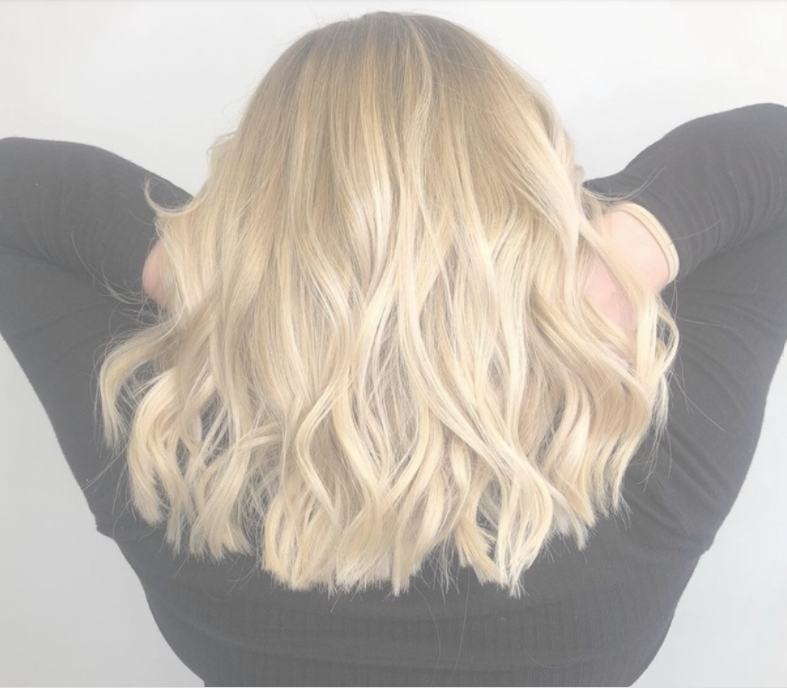
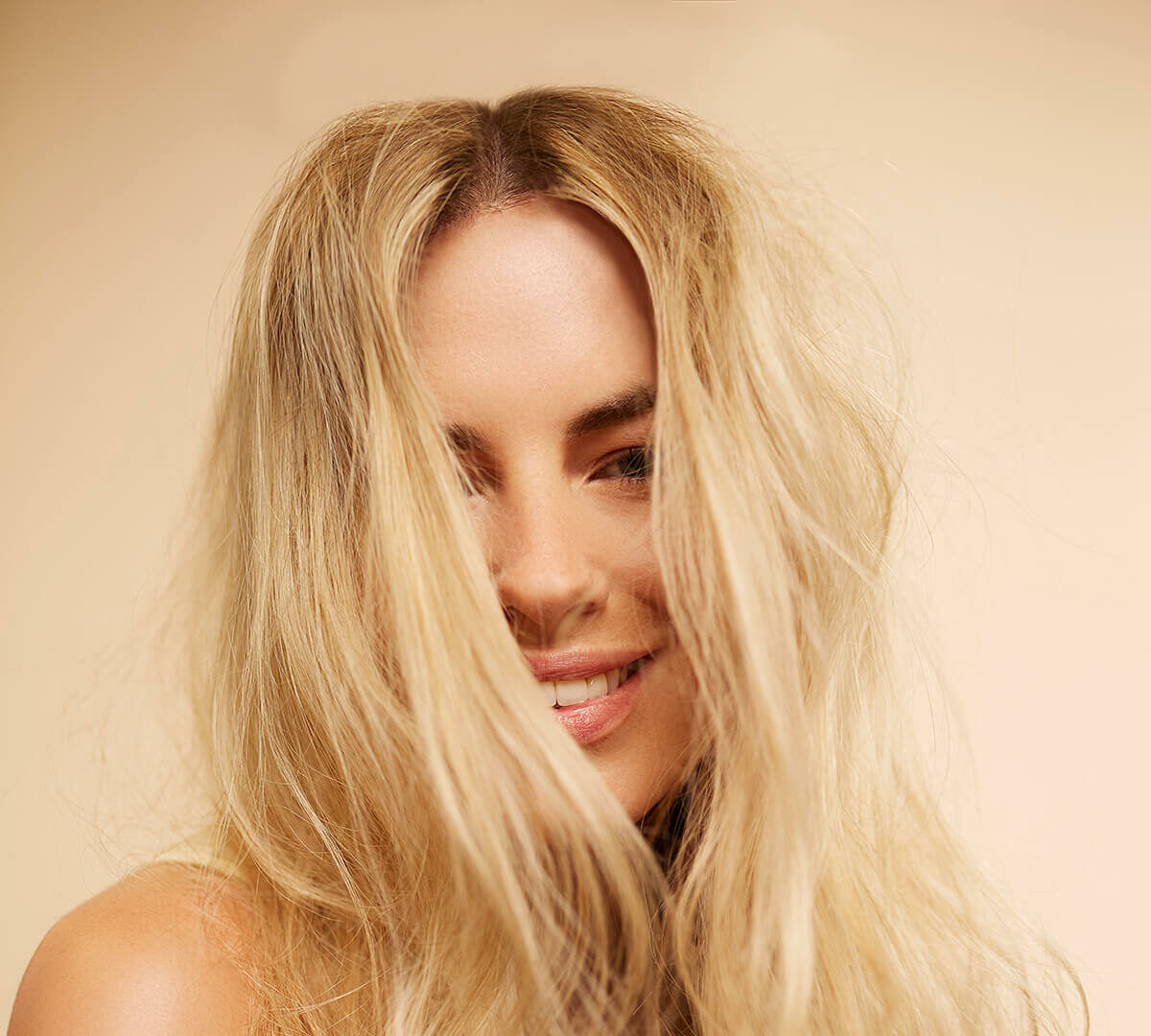
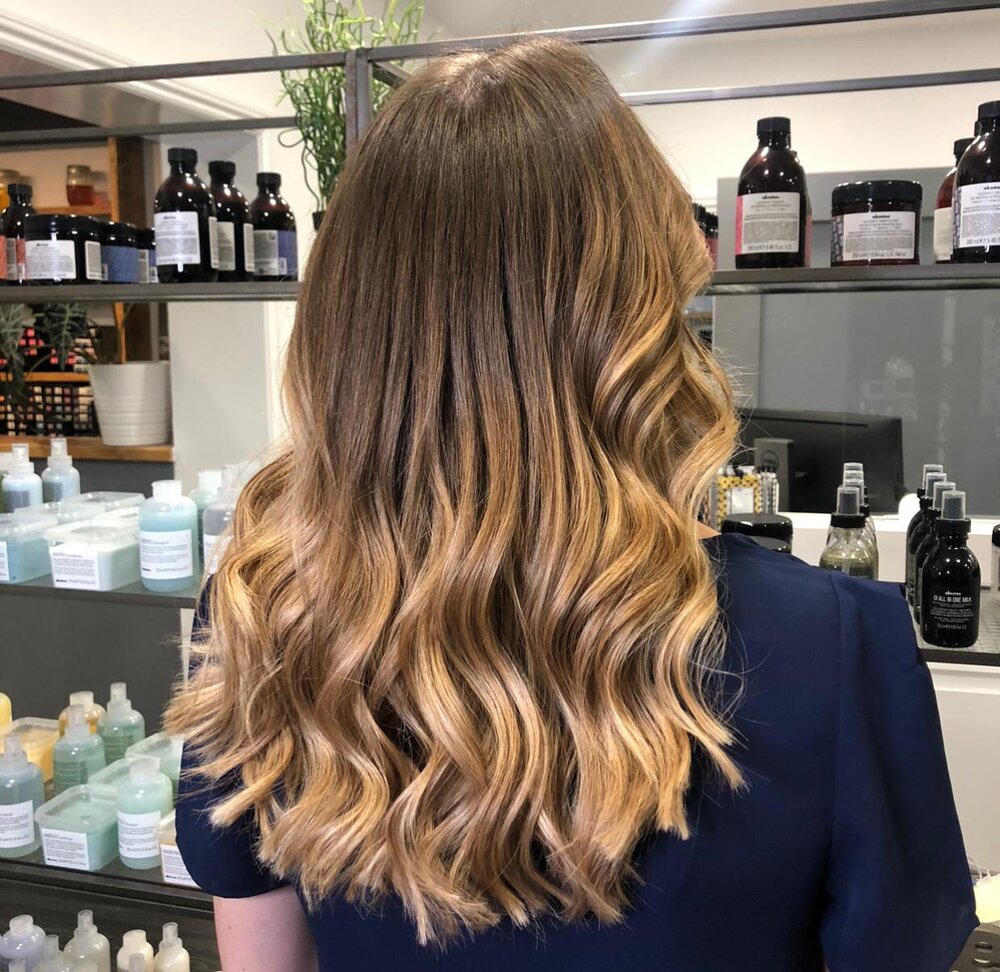
Wavy blonde curly hair with highlights at NOCO Hair Bristol
Hair Care  ·  Bristol  ·  NOCO Hair
5 Hair Care Tips for Curls

Curly hair needs a different approach. These five things make the most consistent difference.
Curly Hair Frizz Moisture

Curly hair is not difficult to look after. It is just different. The routines and products that work perfectly on straight hair can actively damage curly hair. Once you understand why, getting consistently good results becomes a lot more straightforward.

Every curl type behaves slightly differently, so some trial and error is part of the process. But these five principles apply across the board.

1. Get into a washing routine that suits curls

Natural oils produced by the scalp are essential for healthy, hydrated hair. The problem is that curly and textured hair makes it much harder for these oils to travel down the hair shaft due to its shape. This means curly hair dries out faster and is more sensitive to over-washing than straight hair.

Washing once a week or even less is the general recommendation for curly hair. When you do shampoo, focus on the scalp rather than working the shampoo through the lengths. The ends will get cleaned when you rinse. Shampooing the full length too frequently strips the moisture that curly hair needs most.

Tight ginger curls showing healthy definition and moisture

Healthy curl definition comes from consistent moisture, not product volume.

The sebum problem
Straight hair is easily coated in natural oils. Curly hair, because of its shape, makes this much harder. This is why curly hair gets drier faster and why washing frequency needs to be lower than for straight hair. It is not a hygiene issue. It is physics.

2. Moisturise consistently

Whatever type of curl you have, whether wavy, loose, tight or coiled, curly hair is naturally prone to dryness, frizz and breakage. The solution is not more product. It is the right product used consistently.

What curly hair actually needs
Leave-in conditioner. Applied to wet hair once or twice a week, this provides a sustained moisture boost and helps keep curl definition between washes.
Moisturising oils. Applied to dry hair only. On wet hair they sit on the surface and do not absorb. On dry hair they seal in moisture and keep frizzy ends at bay.
Protein treatments. Help keep curls defined and strengthen the hair structure. Particularly important if you colour or heat style regularly. Protein works alongside moisture, not instead of it.

Nutrition also plays a role. Protein, iron and vitamins that support hair growth and condition come from what you eat as much as what you apply. Read more in our guide on how diet affects hair health.

3. Choose the right products

The curly hair product market is overwhelming. Most of it is not worth the price. A few simple rules cut through the noise.

What to look for and what to avoid
Avoid sulphates and silicones. Sulphates strip natural oils aggressively. Silicones coat the hair and build up over time, blocking moisture from getting in. Look for products labelled sulphate and silicone free.
Choose lightweight formulas. Curly hair needs several different products for different purposes. If each one is heavy, the combined weight pulls curls down and makes the hair look greasy faster, leading to more washing and more dryness.
Match the product to your curl type. Tight coils need different formulas from loose waves. Check the description before buying and read reviews from people with a similar curl pattern to yours.

4. Style correctly

Short curly hair showing natural definition and styling at NOCO Hair Bristol

Short curly hair styled correctly at NOCO Hair Bristol.

Styling rules that make a real difference
Brush only when wet. Brushing dry curly hair causes frizz that no product can fix. Always detangle when wet, working from the ends upward with a wide-tooth comb.

Apply products immediately after washing. Once the hair starts to dry without product, the curl pattern sets. Products applied too late sit on top of the hair rather than absorbing, leaving a crunchy texture.
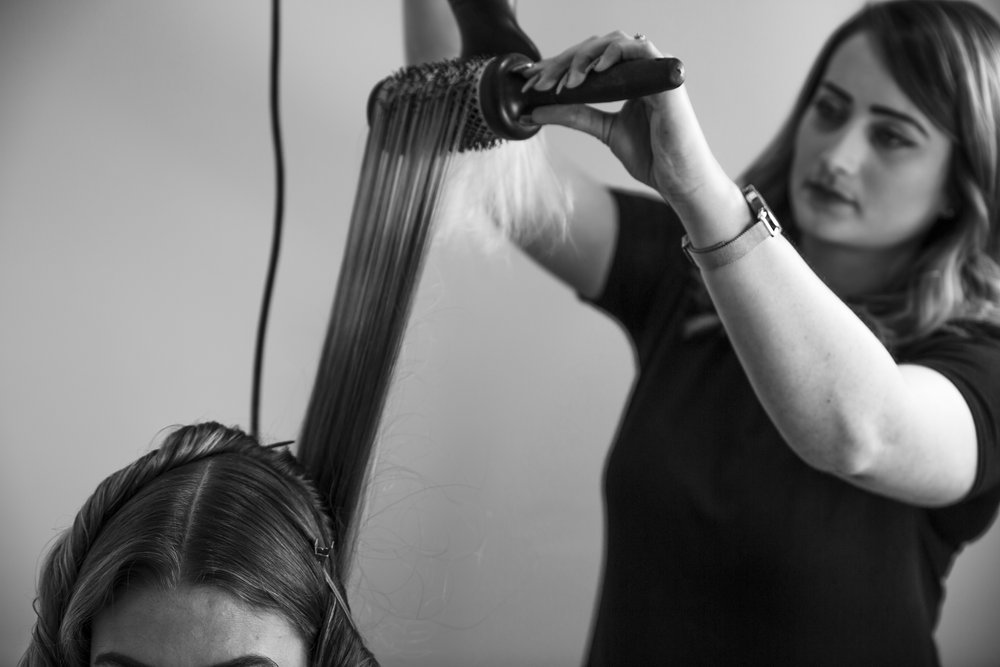
Use a diffuser when drying. A standard hairdryer concentrates heat that disrupts curl pattern and causes frizz. A diffuser spreads the airflow and allows curls to dry more naturally. Tip the head upside down to add volume at the root.
Scrunch, do not rub. Rubbing separates curls and causes breakage. Scrunching encourages curl definition, adds bounce and does not disrupt the curl pattern.
“Curly hair is not high maintenance. It just needs the right routine. Once you have that, it looks after itself.”
Noel Halligan  ·  NOCO Hair Bristol

5. Protect your curls overnight and day to day

Protection habits that compound over time
Swap cotton pillowcases for silk. Cotton absorbs your hair’s natural oils and creates friction that causes frizz and breakage overnight. Silk reduces friction significantly and does not strip moisture.
Try the pineapple method. If silk bedding is not practical, gathering the hair loosely at the top of the head before sleep protects the curl pattern and reduces frizz without the need for restyling in the morning.
Use a microfibre towel or a cotton t-shirt. Regular cotton towels absorb moisture aggressively and create friction. A microfibre towel or a soft t-shirt used to gently scrunch out excess water is significantly gentler on curl definition.
Switch to no-crease hair bands. Standard elastics cause breakage and leave a crimp in the curl pattern. Spiral no-crease bands or scrunchies are much gentler and do not leave a mark.
N
Written by
Noel Halligan
Co-founder and Senior Stylist  ·  NOCO Hair Bristol

Noel Halligan is a Bristol-based hairstylist and salon educator with over 20 years of experience in colour and cutting. As co-founder of NOCO Hair, he has developed a consultation led approach to hairdressing that prioritises diagnosis before design. He works with clients on complex colour transformations and trains stylists through the NOCO Academy.

Need a curly hair specialist in Bristol?
We cut and style all types of curly hair at NOCO. Book a consultation and we will assess your curl type, your current routine and give you a clear plan.
Book a Curl Consultation

Related Content