My Hair Thinning? How to Tell, Why It Happens, and What You Can Do About It
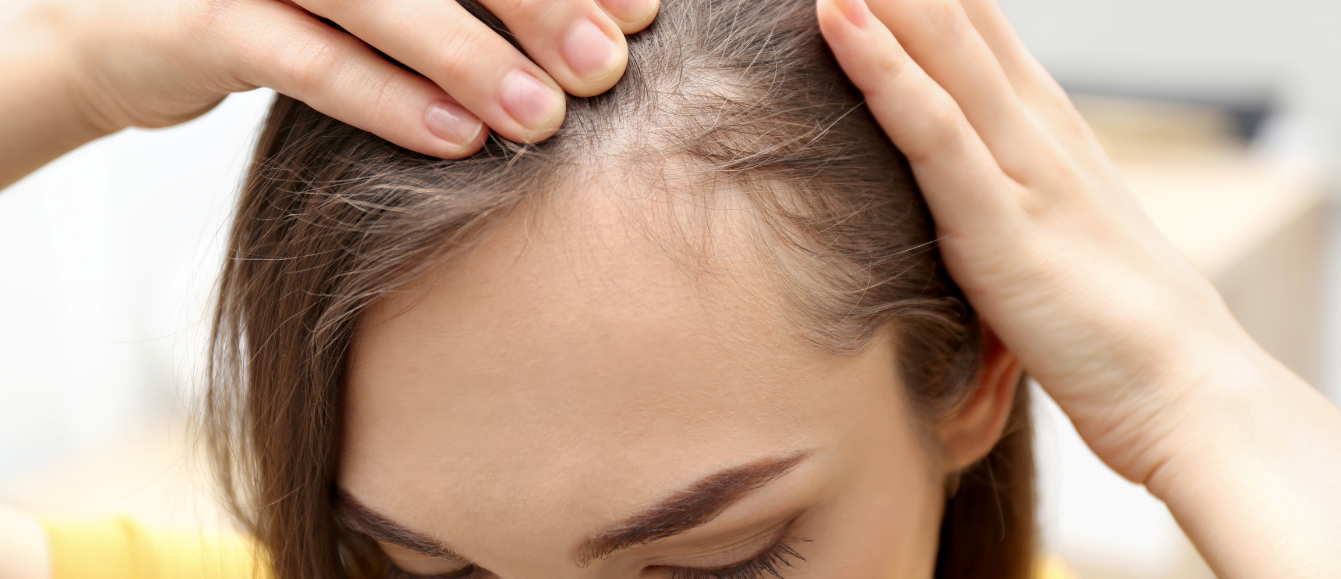
Is my hair thinning? It is one of the most common questions we hear in the salon. And one of the most anxious. The good news is that most people asking it are catching something early, which means there is almost always something practical to do about it.
As a stylist I see clients every week who are convinced they are losing their hair, when in reality they are dealing with breakage, seasonal shedding or a change in texture. Understanding the signs properly is the first step to feeling in control again.
Signs your hair may be thinning
You can usually spot thinning by noticing a combination of visual changes and differences in how your hair behaves day to day.
Why is my hair thinning?
There are several common causes. Understanding the reason behind what you are seeing helps you take the right next step rather than guessing.
Is it thinning or am I overthinking it?
Many people confuse thinning with breakage, seasonal shedding, postpartum regrowth, new baby hairs, or dryness and frizz. There are two quick ways to begin telling the difference yourself.
Look at the pattern. Thinning tends to follow a consistent pattern such as a wider parting or a weaker crown area. Breakage is more random and tends to affect different lengths and sections.
Look at the root end of shed hairs. Natural shedding produces hairs with a small white bulb at the root end. Breakage produces hairs of varying lengths with no bulb. A professional can usually tell the difference within seconds of looking.
Can thinning hair grow back?
Often yes, depending on the cause. Stress-related thinning is usually temporary and recovers once the trigger passes. Postpartum thinning almost always resolves on its own. Breakage is fully fixable with improved condition and the right haircut. Hormonal or genetic thinning is more complex but very manageable, particularly when addressed early.
Hair responds best to consistency rather than drastic changes. Gentle products, reduced heat, scalp care and regular trims all contribute more than any single treatment.
What actually helps
There is a lot of misinformation online about hair thinning. These are the changes that genuinely make a practical difference.
When should I get it checked?
If you are unsure whether your hair is thinning, a professional assessment is the quickest way to get clarity. A stylist can identify whether it is thinning, breakage or temporary shedding and help you build a realistic plan from there.
From a medical perspective, if shedding has been ongoing for more than three to four months, or is accompanied by fatigue, changes in skin or nails, or shifts in weight, a GP appointment and a simple blood test to check iron, ferritin, vitamin D and thyroid function is a sensible next step.