How long will it take for my hair to grow back?
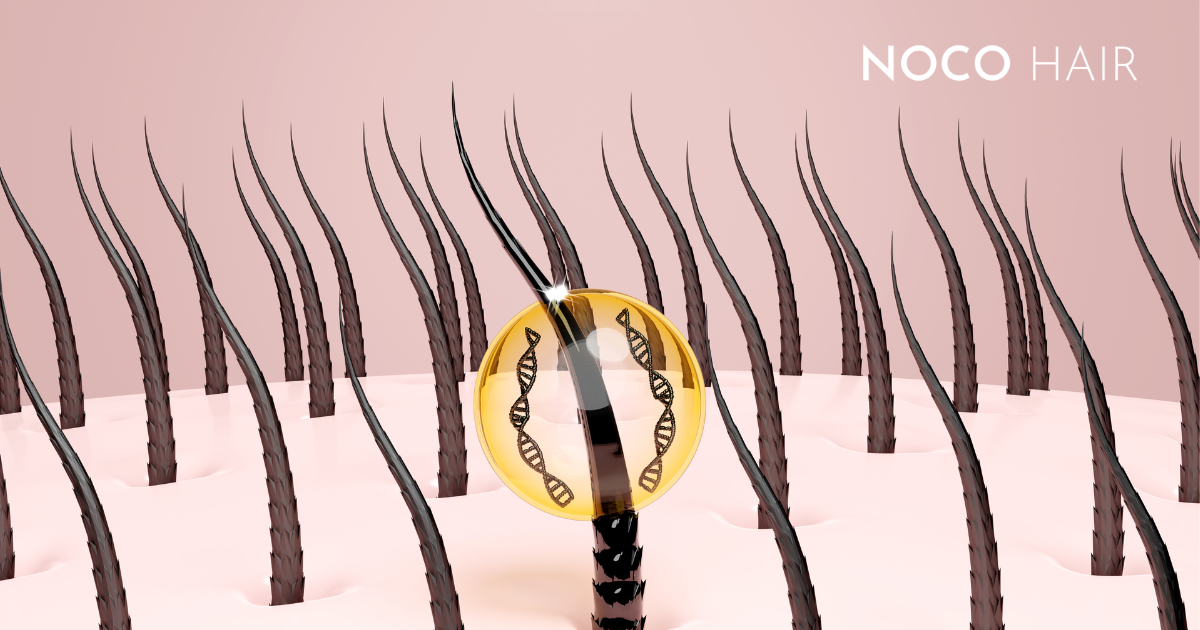
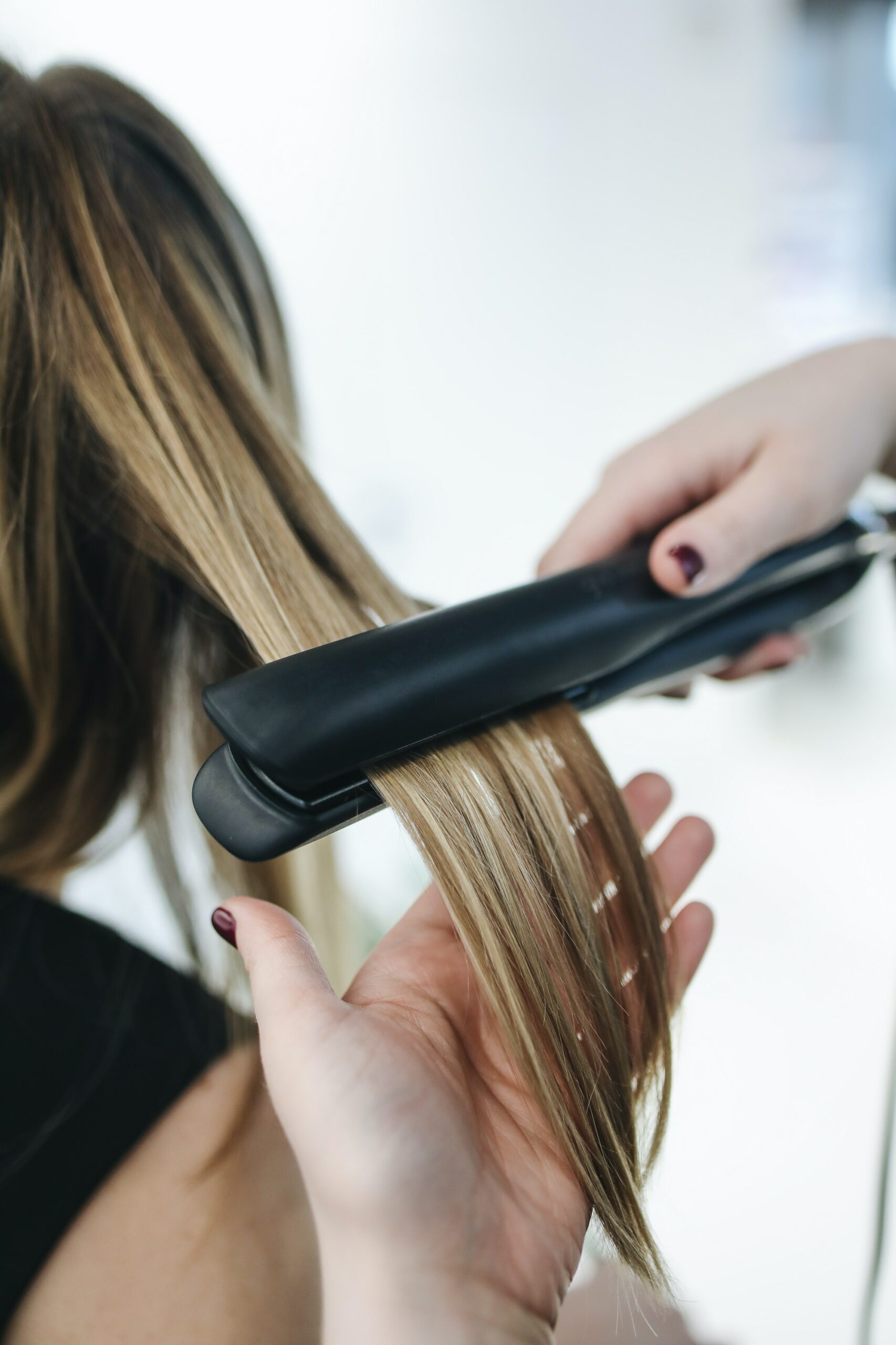
Hair growing back after loss, showing healthy regrowth at the scalp
Hair Health  ·  Bristol  ·  NOCO Hair
How Long Will It Take for My Hair to Grow Back?
One of the most common questions we hear. The honest answer depends on why it changed in the first place.
Hair Growth Hair Loss Hair Health

How long it takes for hair to grow back depends on why it changed in the first place. After hair loss, breakage, a big cut, or a fringe you have grown out of, the question is almost always the same: will it come back, and how long will it take?

Most people asking this question are going to get a positive answer. Hair is remarkably resilient. Understanding how it grows helps you understand what to expect and why patience is almost always the right approach.

How hair actually grows

Each hair on your head goes through its own growth cycle. The active growth phase, called the anagen phase, lasts anywhere from two to seven years depending on your genetics. During this time the hair grows roughly half an inch a month, or around six inches a year.

If your growth phase runs closer to seven years, your hair has the potential to grow very long before it naturally sheds and regrows. A shorter growth phase of around two years means your hair may reach a natural stopping point, often around the jawline or shoulders, even when it is perfectly healthy. Neither is better or worse. It is simply how your hair is built.

A useful way to think about it
The average head has 100,000 to 150,000 hairs, each growing around 0.2cm a day. Per strand that sounds slow, but across the whole head it adds up to over 36 metres of total hair growth in a single day. It is constant, just not immediately visible.

Why it feels slow at first

Hair grows from the root, not the ends. This means in the early weeks of regrowth you will not see much visible change, even though growth is happening. New hair has to travel a certain distance before it becomes noticeable at the surface.

People with fringes often notice hair growing back faster because it reaches their eyes. Length growth is harder to perceive because there is no equivalent reference point. The hair is growing. You simply cannot see it yet.

What affects how quickly hair grows back

The speed and quality of regrowth depends largely on what caused the change in the first place.

Common causes and what to expect
Breakage. Hair that has snapped from heat damage, colour or tension is not lost from the follicle. The follicle is still active and producing hair. Regrowth is usually straightforward once the cause is addressed.
Stress-related shedding. Telogen effluvium, the most common cause of sudden increased shedding, is temporary. Hair typically begins recovering three to six months after the trigger passes.
Postpartum shedding. Almost always recovers fully within six to twelve months. The shedding is caused by hormonal shifts after birth, not permanent follicle damage.
Illness or medication. Hair often recovers well once health stabilises, though the timeline varies depending on the condition and how long it was present.
A significant haircut. Simply a matter of time and the length of your individual growth phase. Around six inches a year is the average, though some people grow faster or slower.

What helps while hair is growing back

You cannot dramatically speed up hair growth. What you can do is create the best possible conditions for the growth that is already happening.

What actually makes a difference
Scalp health. A healthy, clean scalp supports stronger regrowth. Remove product buildup, avoid harsh shampoos and consider a targeted scalp treatment if needed.
Reducing tension and heat. Less daily stress on the hair means less breakage, which means visible length is retained better over time.
Nutrition. Protein, iron, zinc and vitamin D all support healthy hair growth. If you have been through a period of significant dietary change, addressing that will help.
Regular trims. This one surprises people, but keeping the shape tidy every six to eight weeks prevents the ends from fraying and weighing the hair down. Growth looks faster when the hair does not feel tired.
“Hair growth is slow, but it is steady. If the cause is temporary, hair almost always recovers. Knowing what is happening is the key to getting the best out of what you have.”
Noel Halligan  ·  NOCO Hair Bristol

When hair may not grow back fully

For most people, hair does recover well. There are some situations where the picture is more complex. Genetic thinning, certain hormonal conditions and some longer-term health issues can affect follicle activity over time. Even in these cases, early assessment and the right support can slow the process significantly and improve the quality of what remains.

The most important thing in any case is understanding what is actually happening rather than guessing. A professional can usually identify whether you are dealing with temporary shedding, breakage or something that needs a more structured approach.


N
Written by
Noel Halligan
Co-founder and Senior Stylist  ·  NOCO Hair Bristol

Noel Halligan is a Bristol-based hairstylist and salon educator with over 20 years of experience in colour and cutting. As co-founder of NOCO Hair, he has developed a consultation led approach to hairdressing that prioritises diagnosis before design. He works with clients on complex colour transformations and trains stylists through the NOCO Academy.
Not sure what is going on with your hair?
Come in for a proper consultation. We will assess your hair and scalp, tell you what we see and give you a clear plan based on what is actually happening.
Book a Consultation

Related Content