How to fix a Hair Dye Disaster
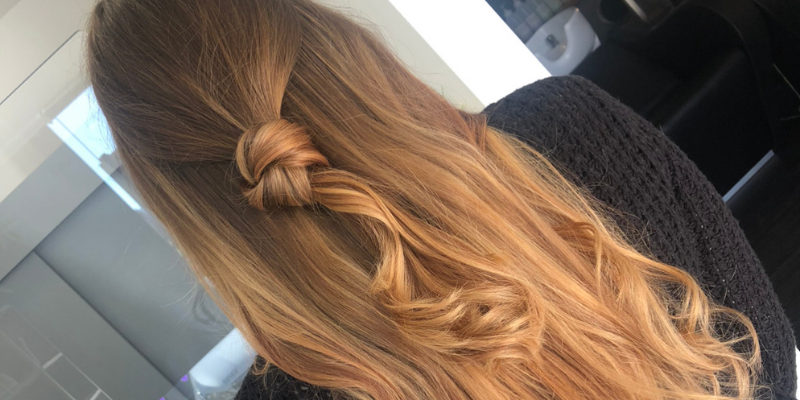
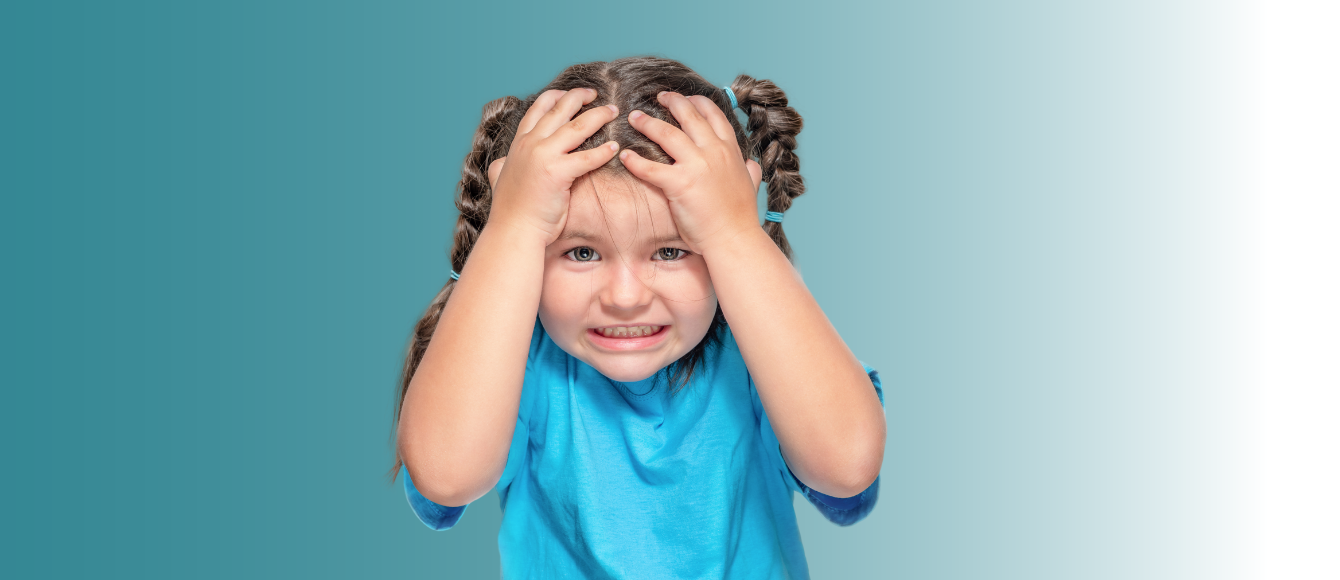
Whether you trusted your hair to the wrong stylist or an attempt at home colouring went sideways, a dye mishap can feel like a nightmare. But no hair colour disaster is completely unfixable in the right hands. The first step is understanding what actually went wrong.
Colouring hair is a more delicate process than the box dye adverts suggest, particularly when bleach is involved. Here is what we see most often and what can be done about each one.
Brassiness and bad blonde
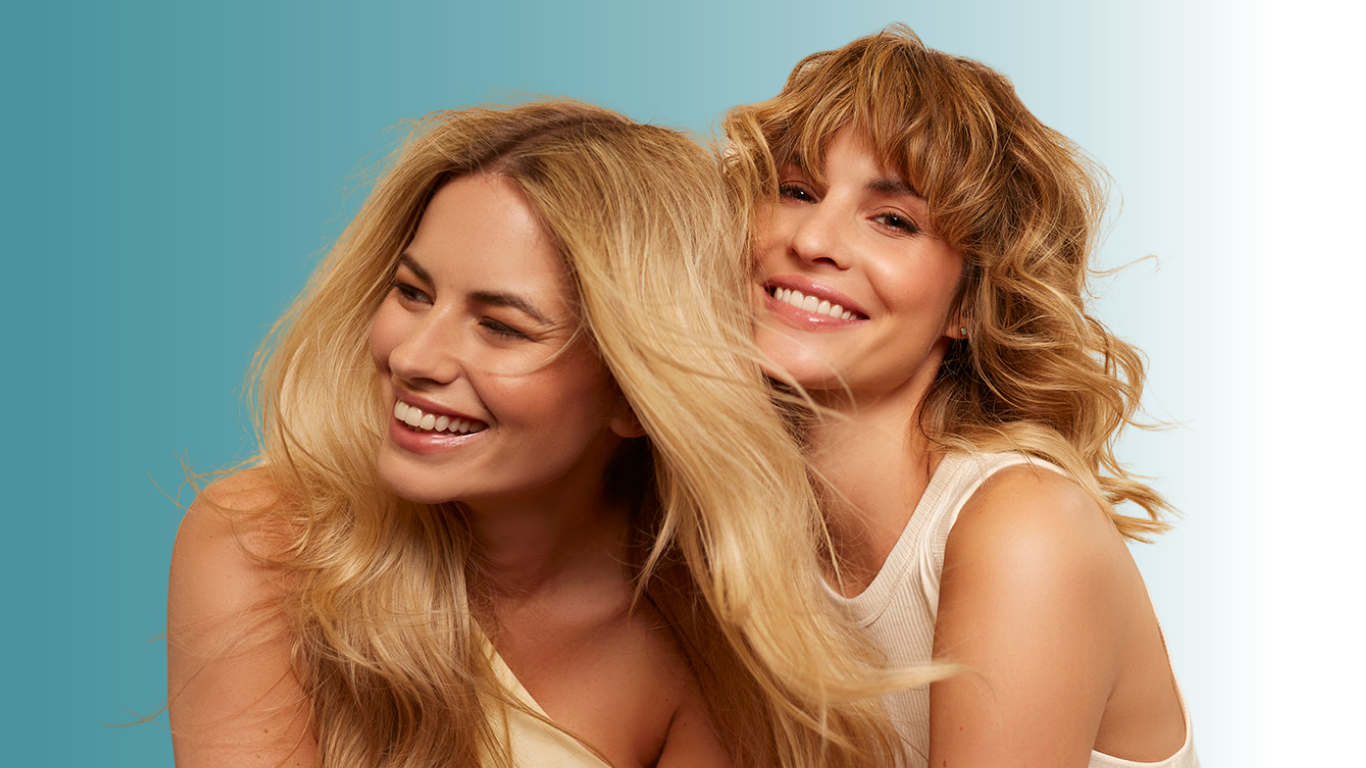
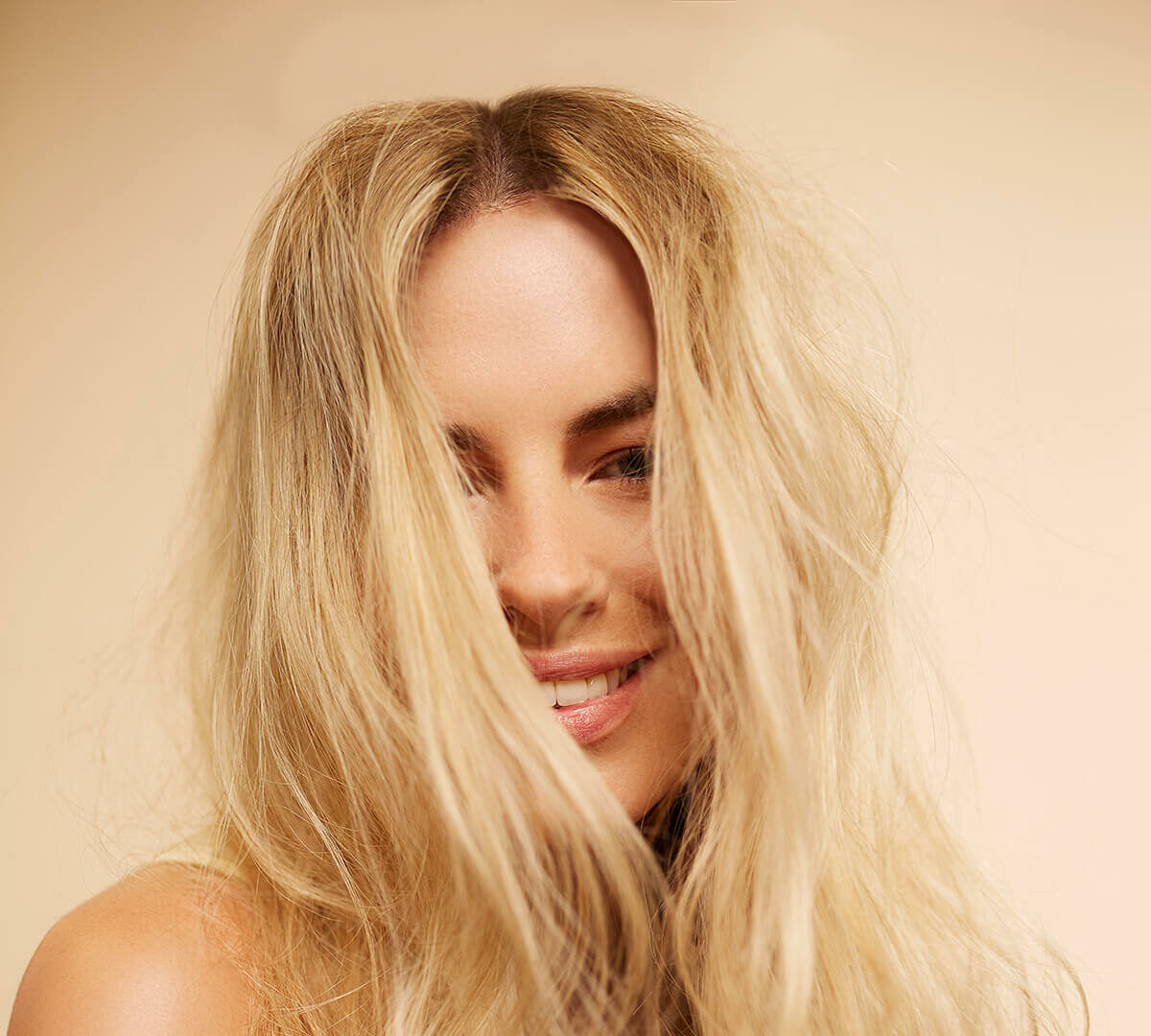
Blonde is one of the most popular colour results and one of the easiest to get wrong. Too much lift in one direction can leave you with green-grey ashy tones, orange brassiness or a yellow that reads more Barbie than beachy.
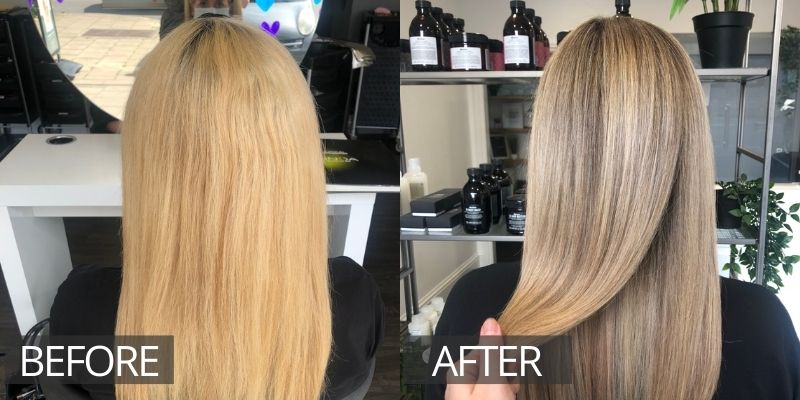
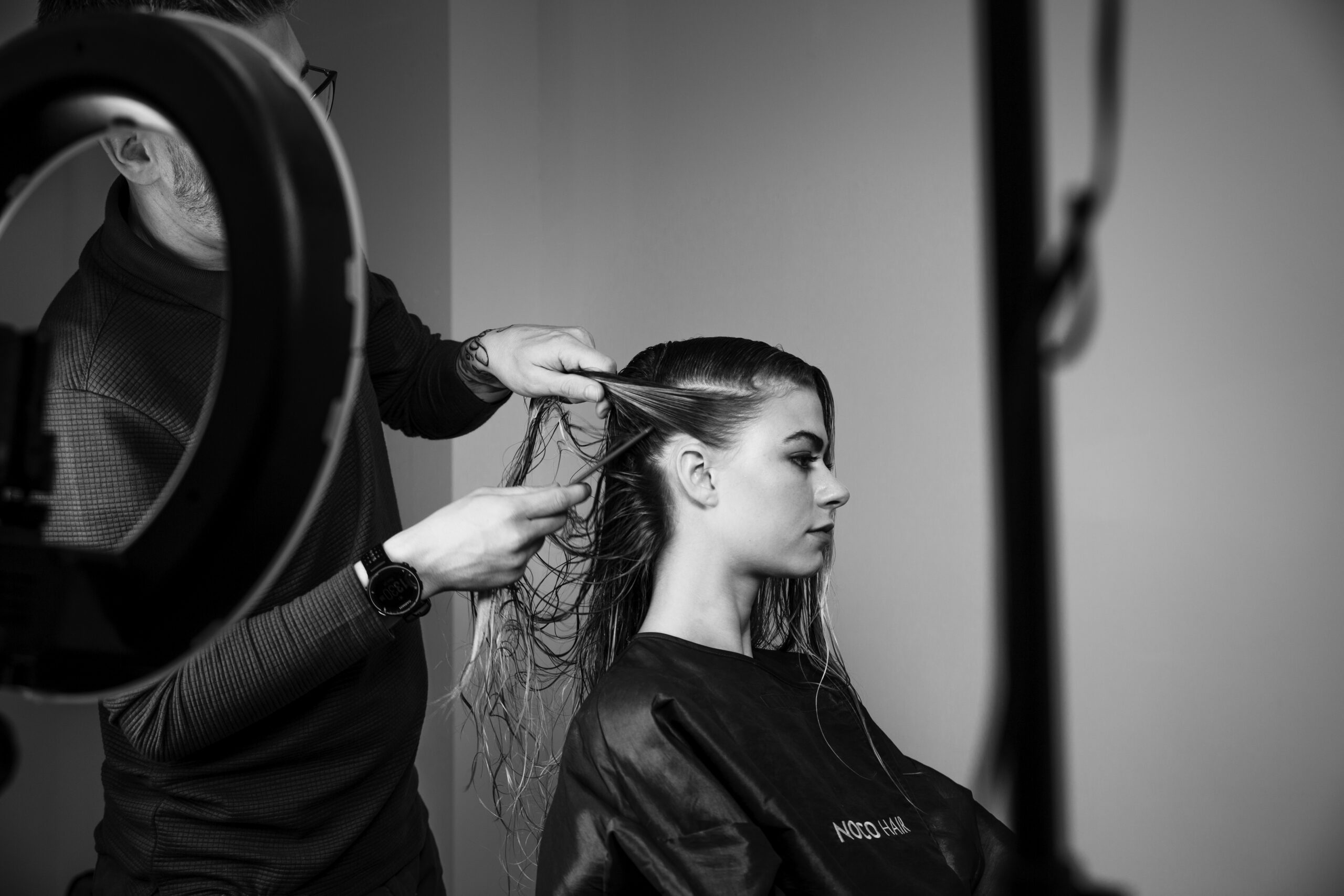
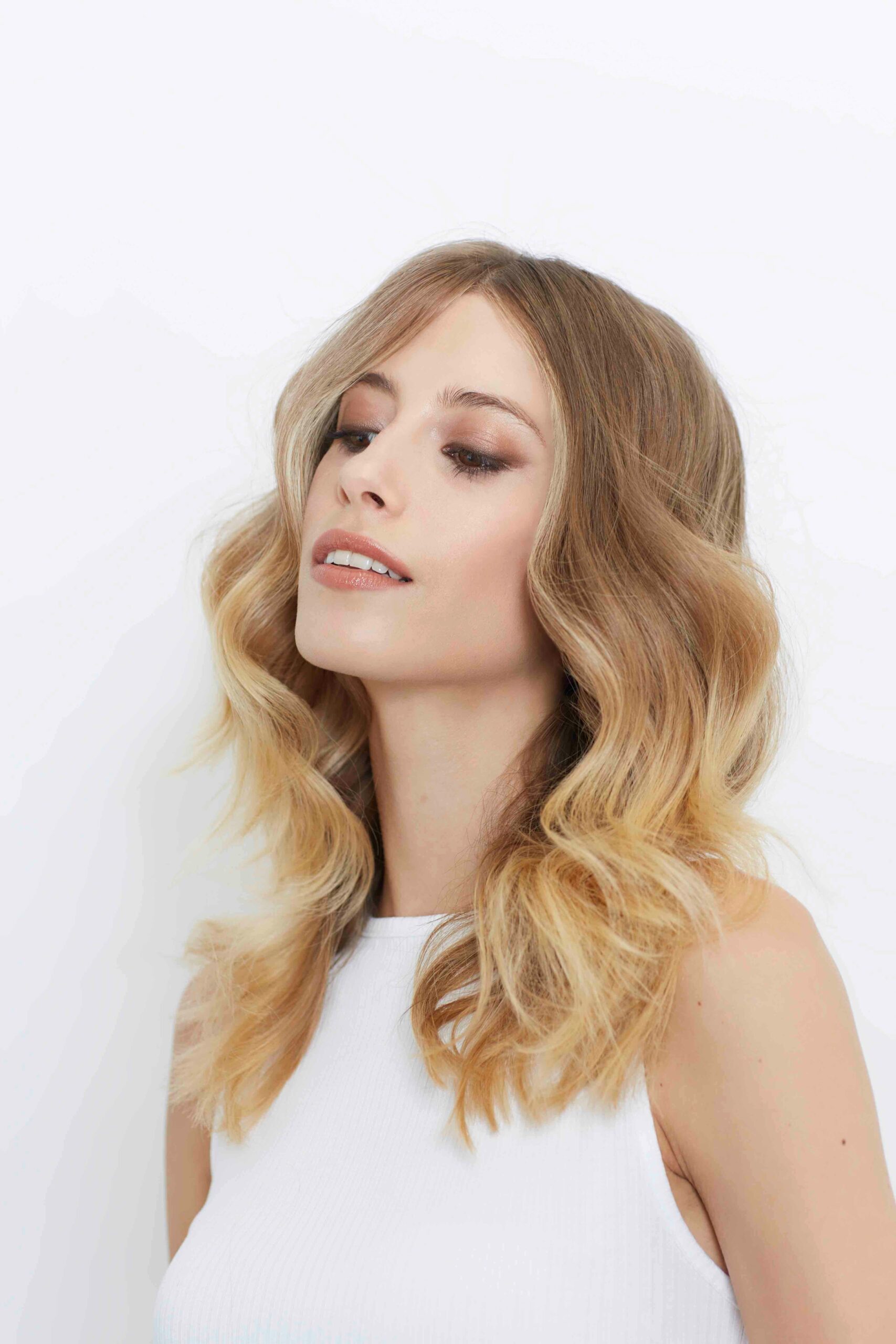
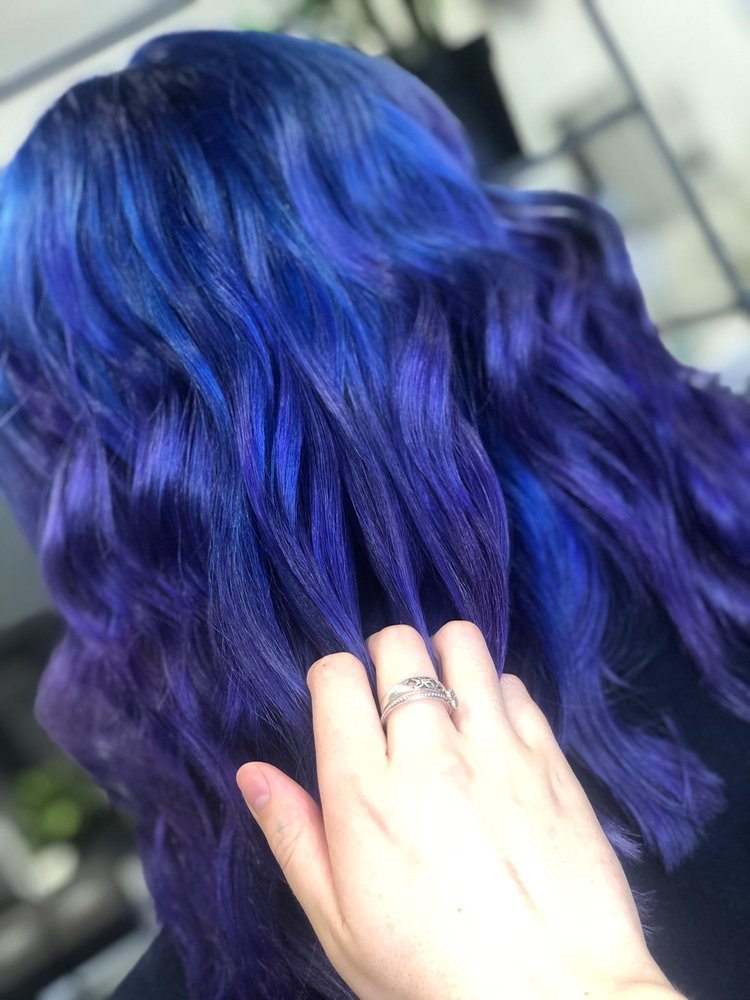
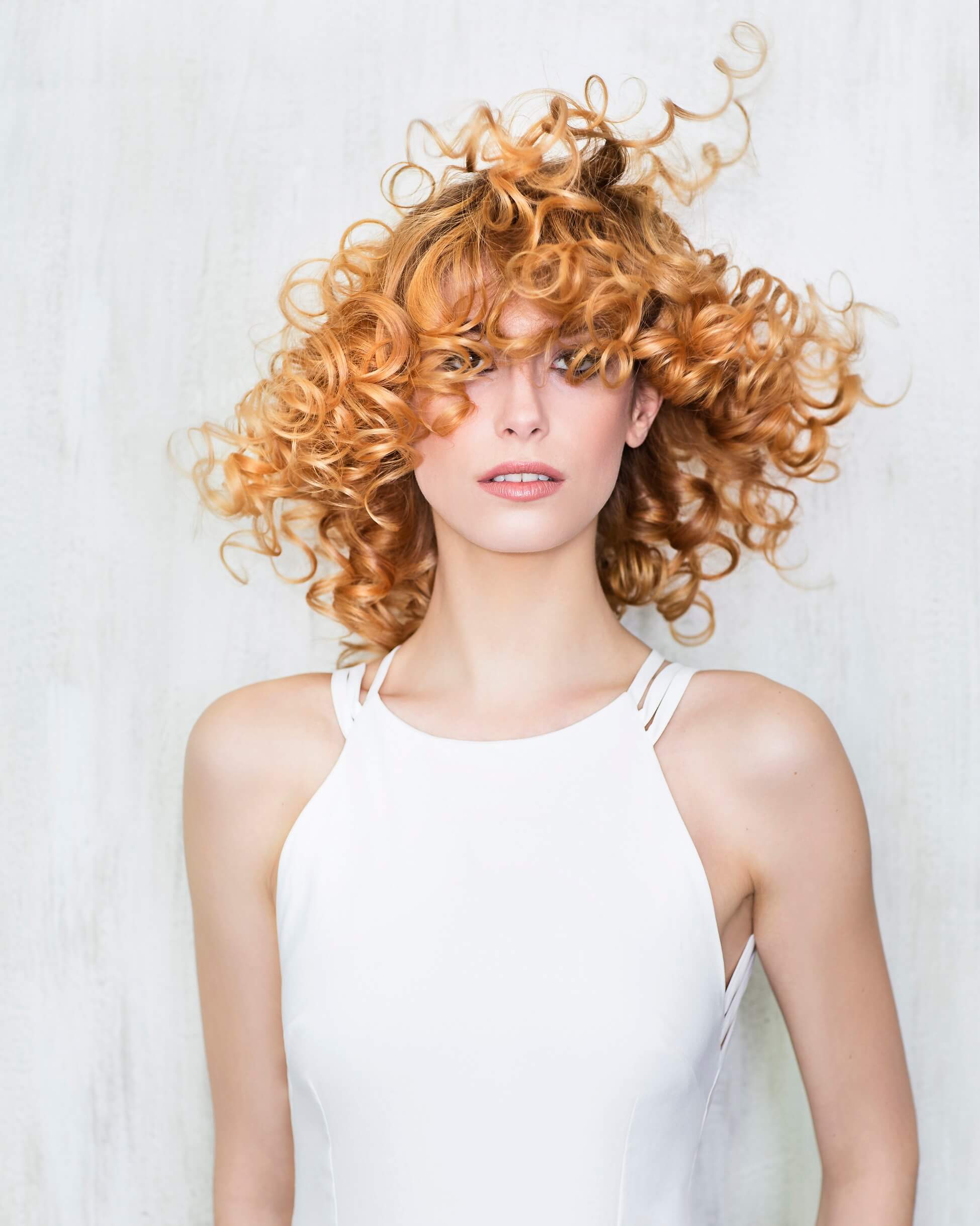
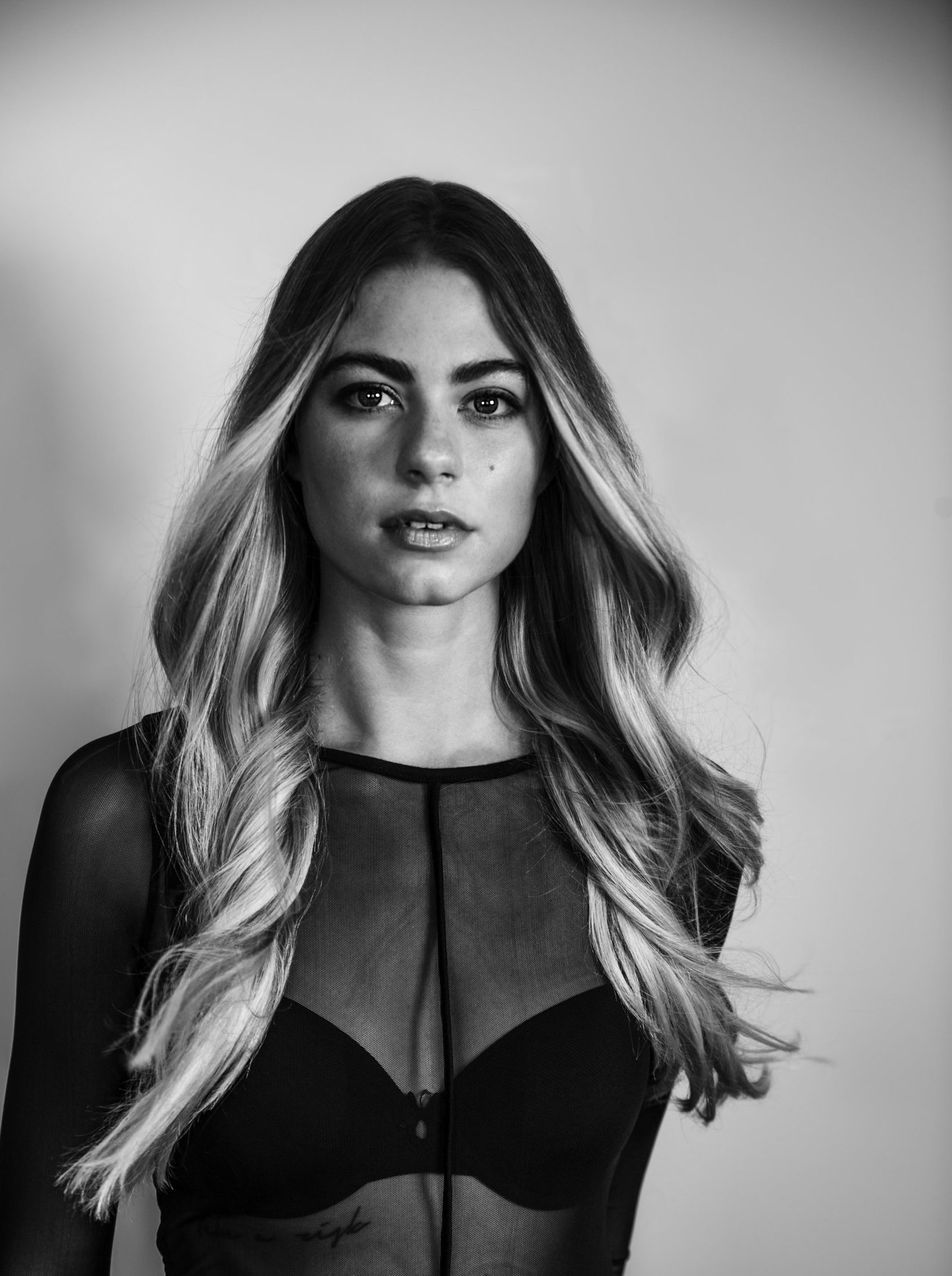
Colour correction work at NOCO Hair Bristol.
Hot roots
Hot roots appear when the hair at the root develops differently from the rest, creating a two-tone effect that looks unintentional. It happens most often when previously processed hair reacts differently to fresh colour, or when the heat from the scalp causes the dye at the root to develop faster and lift higher than the lengths.
A small amount of anti-brass or cool toner applied to the roots can help at home. In a salon, a colourist can correct hot roots using a slightly deeper shade at the root to balance the overall result. For future colour, applying the dye to roots last, after coating the lengths, reduces the risk of this happening again.
Colour that has gone too dark or intense
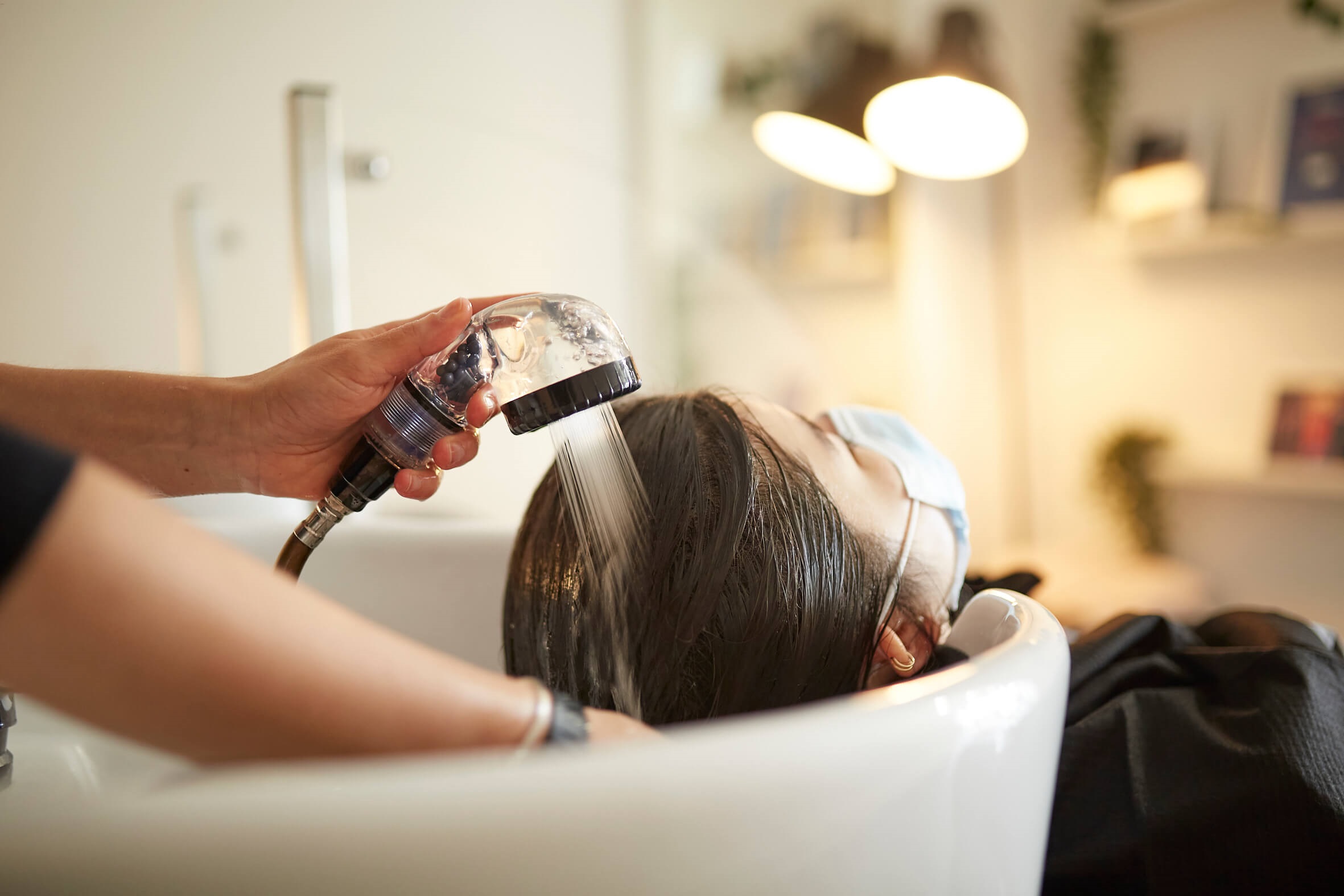
Left colour on too long? The first response is to wash immediately, several times if needed. A clarifying shampoo strips colour faster than a regular shampoo. Follow immediately with a deep conditioning treatment as clarifying shampoo is harsh on the hair structure.
From there, a stylist can advise the best route. In some cases the dye can be removed or lifted. In others, encouraging it to fade naturally over a few weeks while protecting the hair is the better option. Highlights or balayage can also be used to break up the intensity and lighten the overall effect without a full removal process.
Patchy or uneven coverage
Patchy colour coverage is one of the most common results of home dye jobs and can also happen with inexperienced stylists. The causes range from incorrectly mixed product to uneven application, damaged hair that absorbs colour inconsistently, or missed sections.
A professional can identify exactly what caused the patchiness and correct it using a combination of targeted re-colouring, toner, gloss treatments or condition work depending on the root cause. Colour often needs more than one pass to build depth evenly, in the same way that painting a wall benefits from an undercoat before the finish coat.
Stripey or chunky highlights
Bold, visible streaks rather than blended highlights usually happen when sections placed in foil are too thick. The result lacks the dimension and movement that makes highlights look natural.
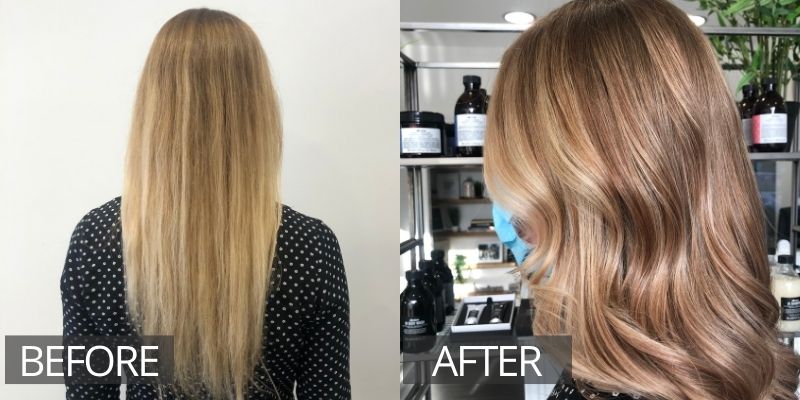
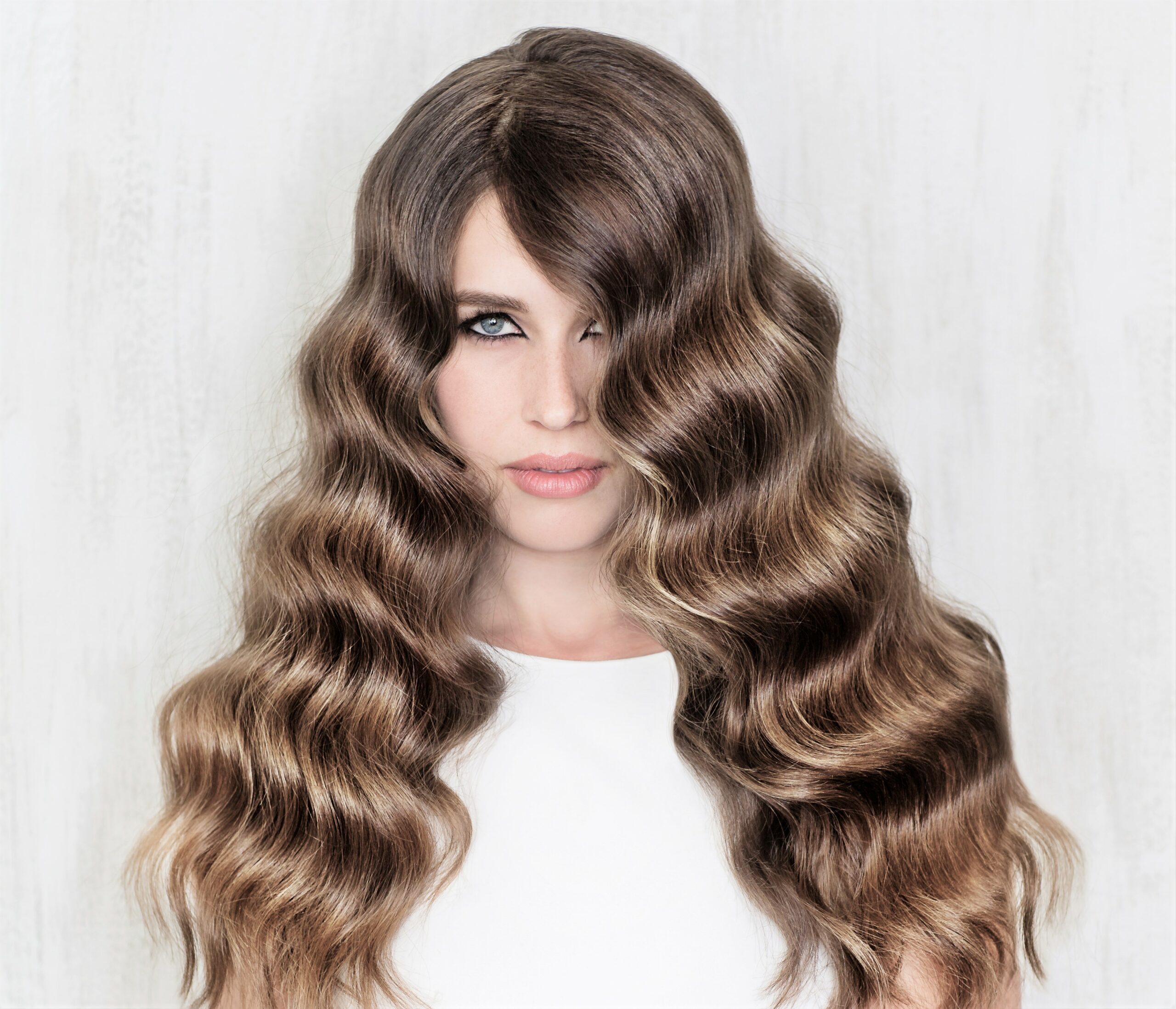
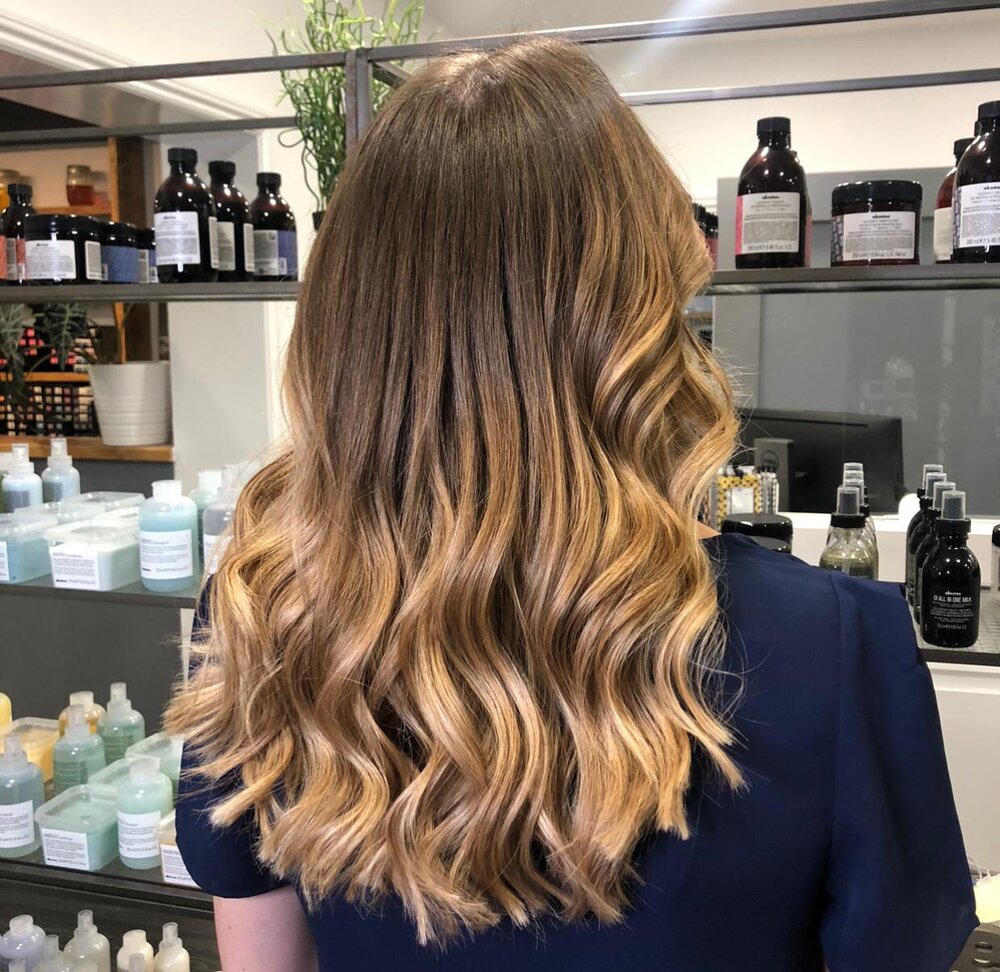
Balayage used to soften and blend overly chunky highlight work at NOCO Hair Bristol.
The two most effective salon fixes are blending the base colour back through to reduce the contrast between highlighted and unhighlighted sections, or using balayage to hand-paint colour in a way that disguises the foil sections and creates a more gradual, natural result.
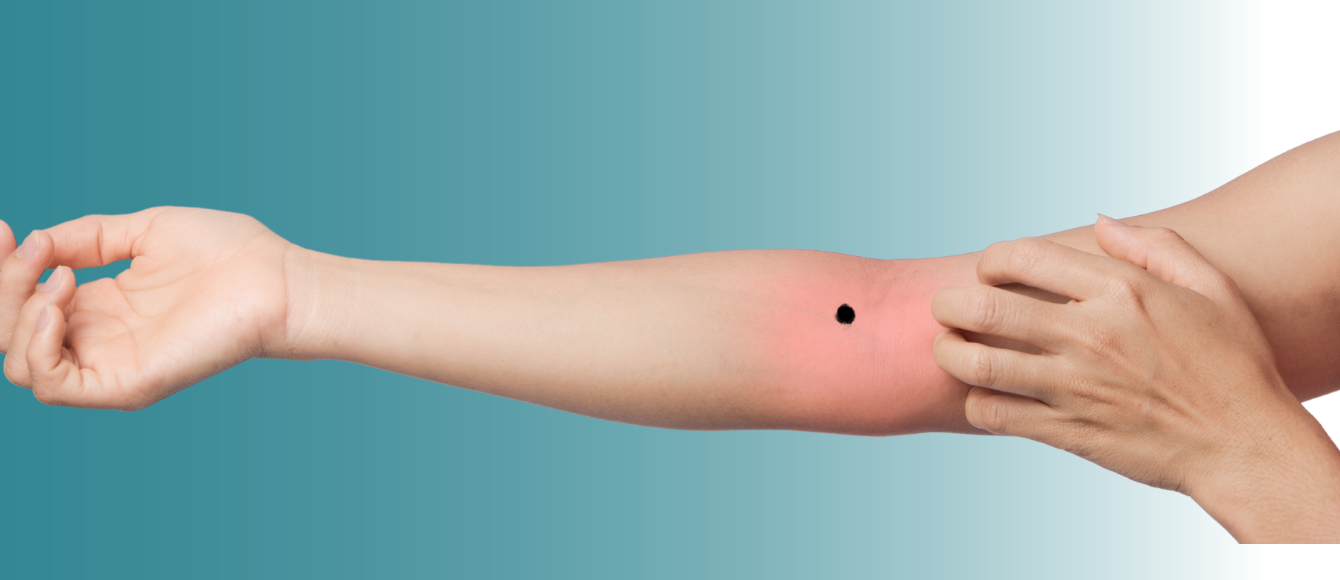
Hair dye on skin
Staining around the hairline, neck and ears is extremely common. At the salon we use a professional stain remover. At home, milk on cotton wool works surprisingly well. Regular soap and water clears most fresh stains. For anything more stubborn, baby oil, a gentle body scrub or a small amount of rubbing alcohol applied lightly without scrubbing will usually clear it.
Prevention is more effective than removal. Always use gloves when colouring at home, wipe any drips immediately before they set, and apply a barrier of moisturiser or Vaseline around the hairline before you start.
Damaged hair after colouring
Bleach and permanent dyes work by lifting the outer protective layer of the hair shaft. This is necessary for the colour to penetrate, but it leaves the hair more vulnerable to breakage, frizz, dryness and heat damage until that outer layer recovers.