What Hair Colour Will Suit Me?

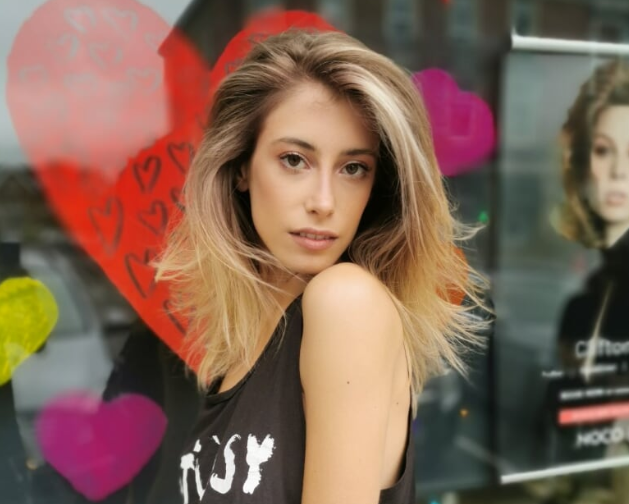
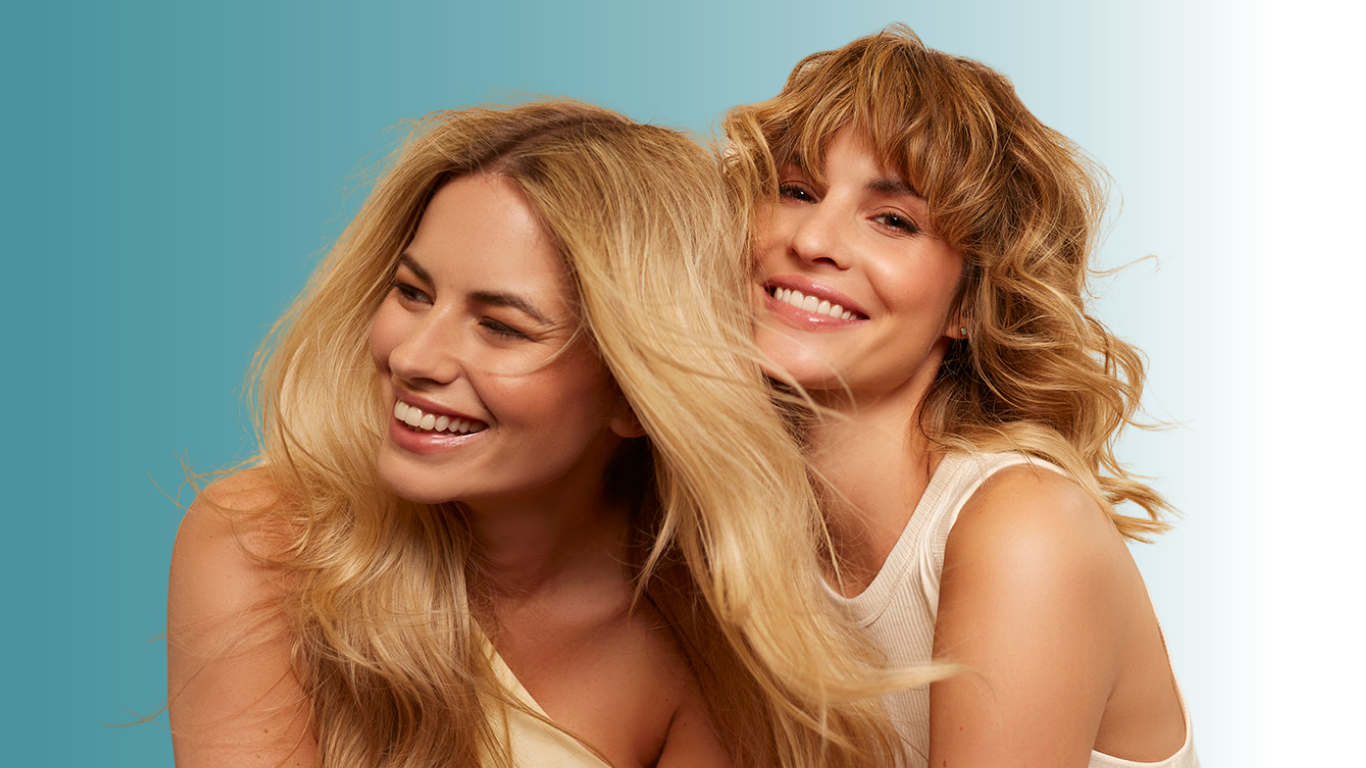
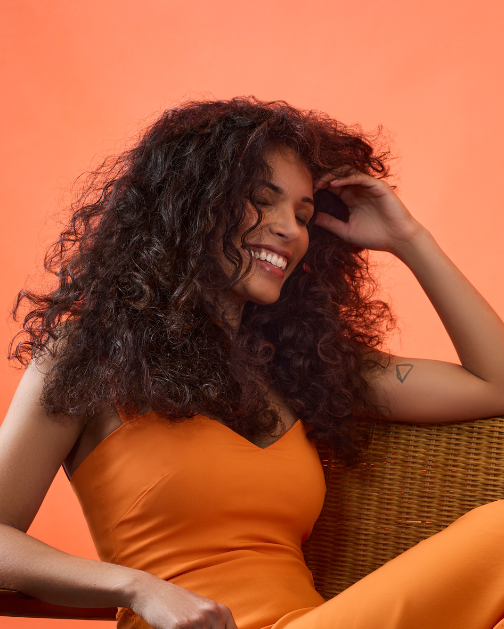
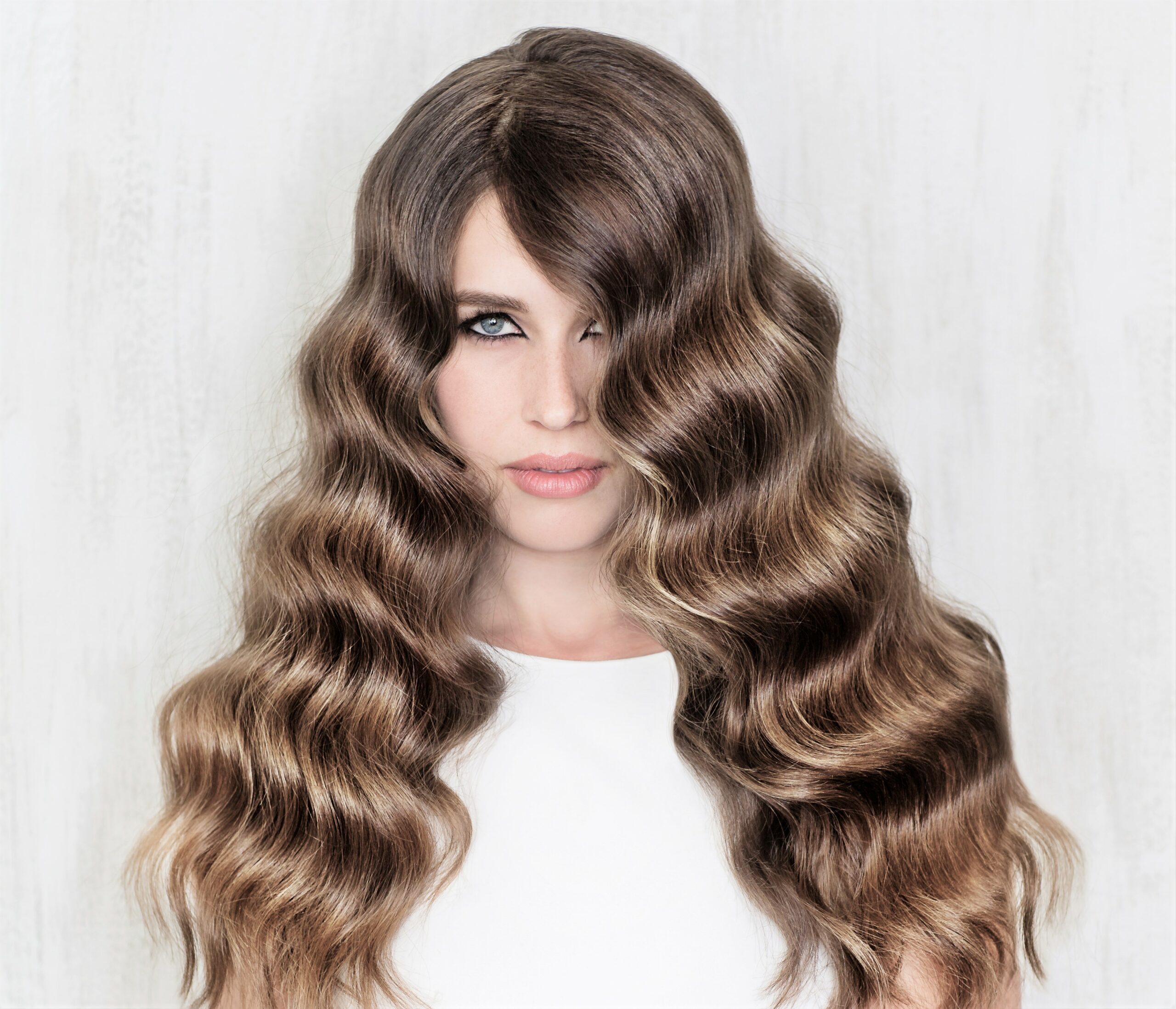
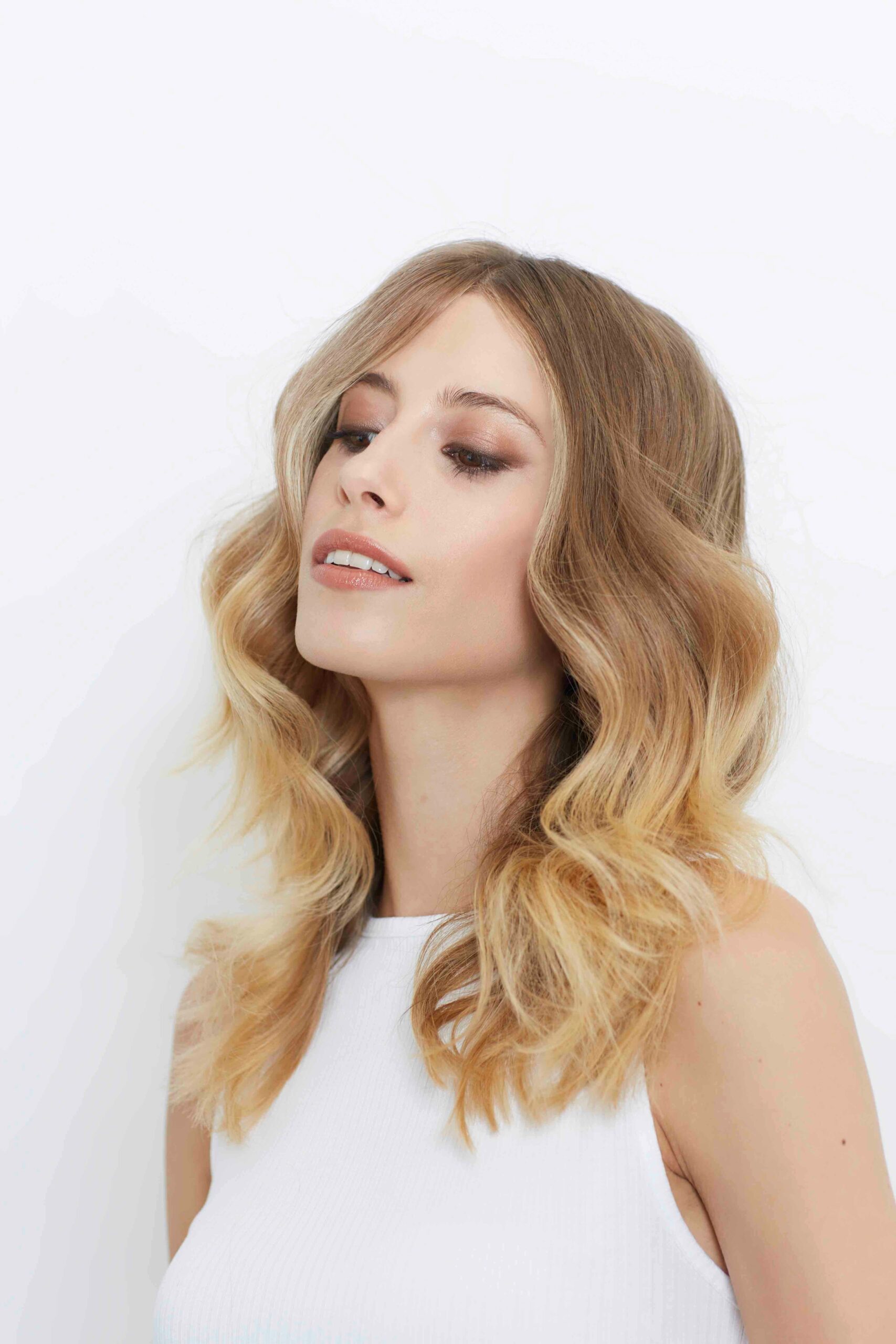
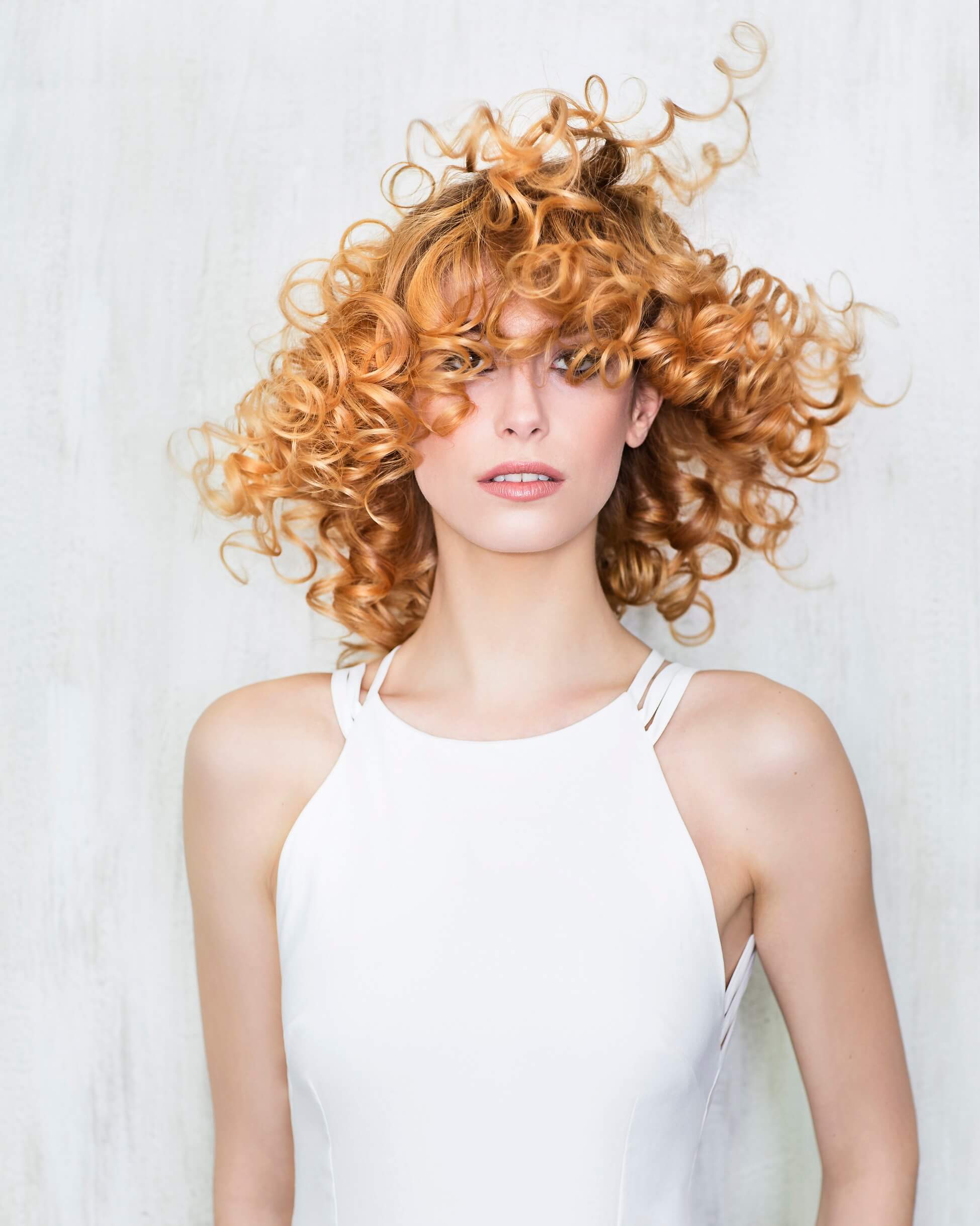
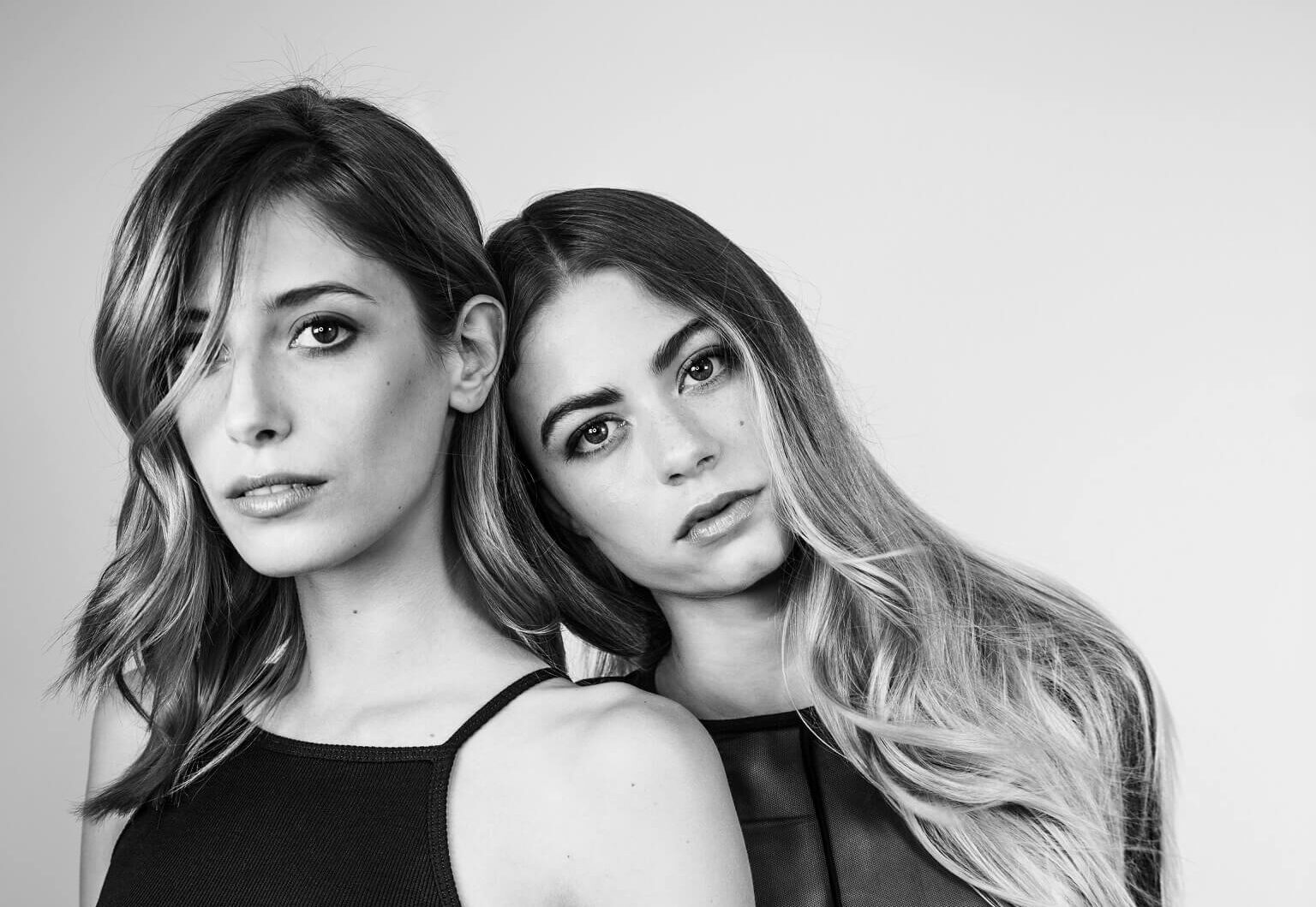
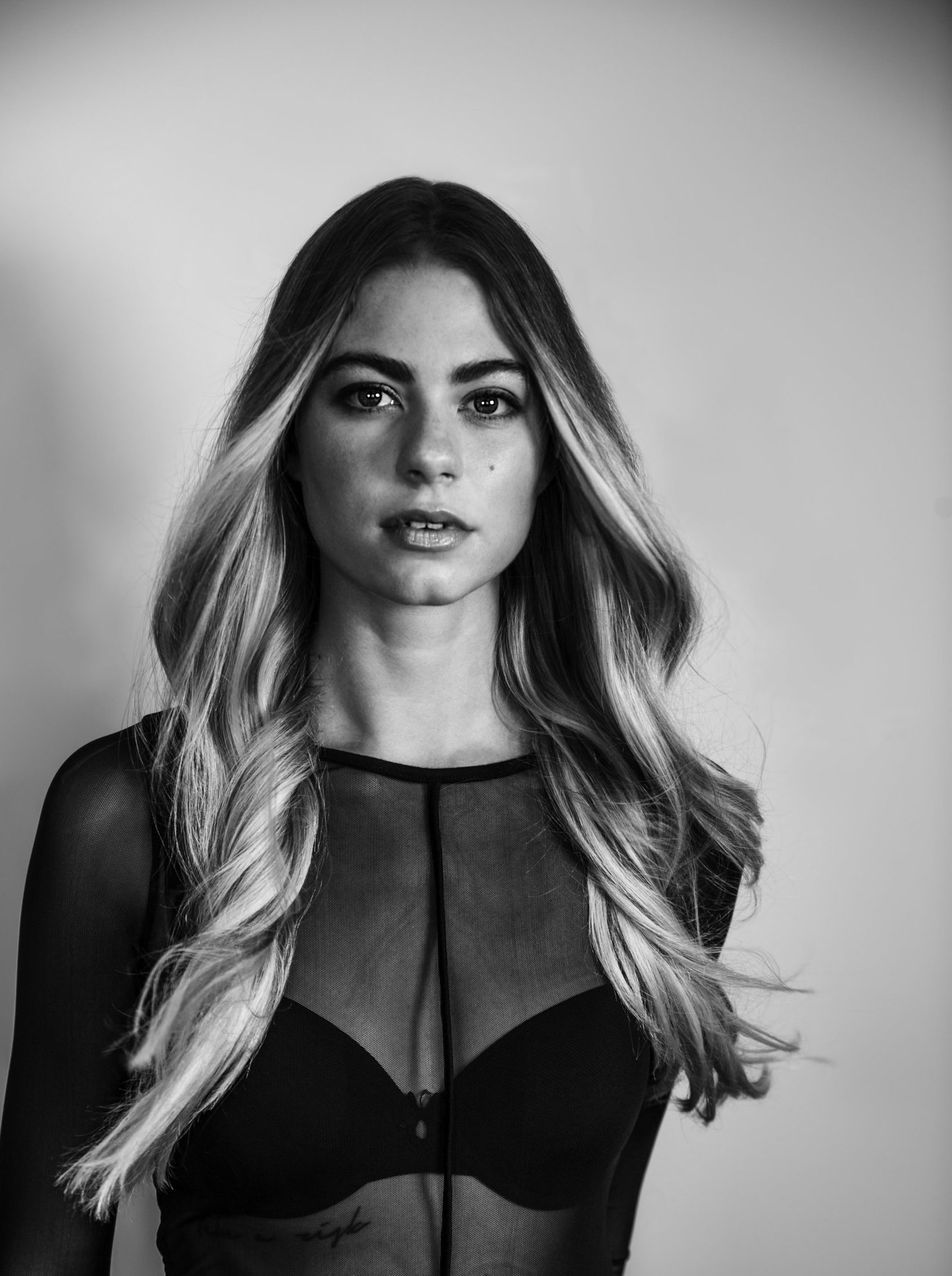
Balayage colour client at NOCO Hair Bristol showing natural, flattering colour placement
Colour Advice  ·  Bristol  ·  NOCO Hair
What Hair Colour Will Actually Suit Me?
The answer starts with understanding your natural base and your eye colour. There is a framework for this and it changes everything.
Colour Blender Contrastor

Choosing a hair colour that actually suits you is not about following trends. It is about understanding two things: your natural base colour and your eye colour. Once you know those, the right direction becomes much clearer and the wrong ones are easy to avoid.

We use a simple framework at NOCO to have this conversation with clients. It cuts through the noise and gets us to the right answer quickly. Are you a blender or a contrastor?

Blenders and contrastors

These are the two natural colour types we work with. Understanding which one you are is the starting point for every colour conversation.

Type one
The Blender
Dark eyes and dark natural hair. Your colouring is harmonious and consistent. Everything naturally blends together. Going dramatically lighter fights against your natural palette and tends to look disconnected rather than intentional.
Type two
The Contrastor
Light eyes with a darker natural base, or fair hair and light eyes. Your colouring already has natural contrast built into it. This gives you more flexibility with colour direction and is the reason some people can carry significant changes without looking wrong.
The rule of thumb we use at NOCO
As a starting point, do not go more than one shade lighter than your natural base. For those with lighter features, two shades can work. The further you push beyond that, the more disconnected the result will look from the rest of your colouring.

Why eye colour matters more than people think

Eye colour is one of the most reliable indicators of what will work on your hair. Light eyes create natural contrast against darker features. That contrast gives the face a lift and means the hair can carry lighter tones without looking flat or washed out.

I went grey at around fifteen years old. Dark natural base, light eyes. For years I coloured my hair. But when I eventually had more salt than pepper, something clicked. The light eyes balanced the lighter hair. It worked because the contrast was natural, not forced. That is exactly what we are looking for when we sit down with a client.

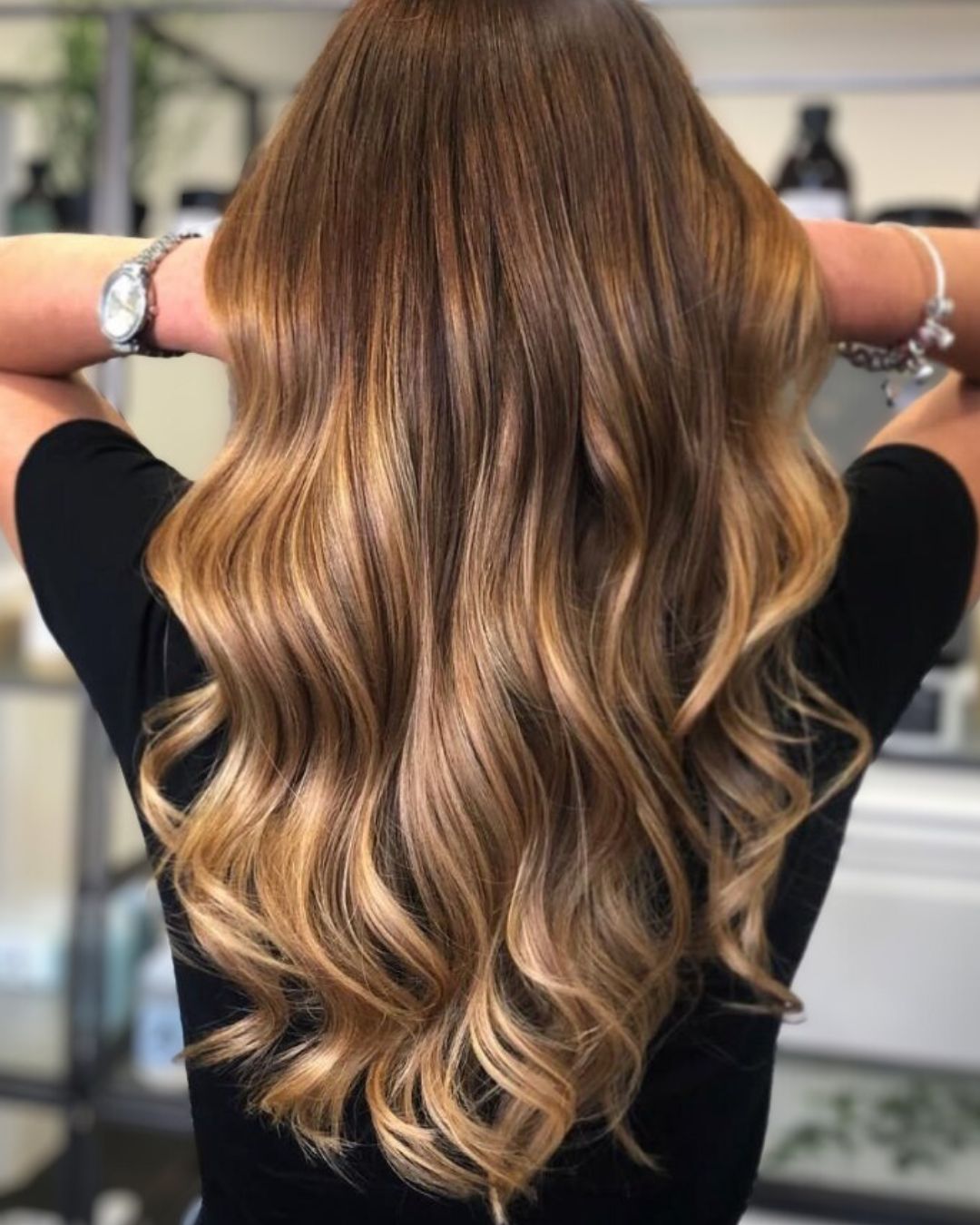
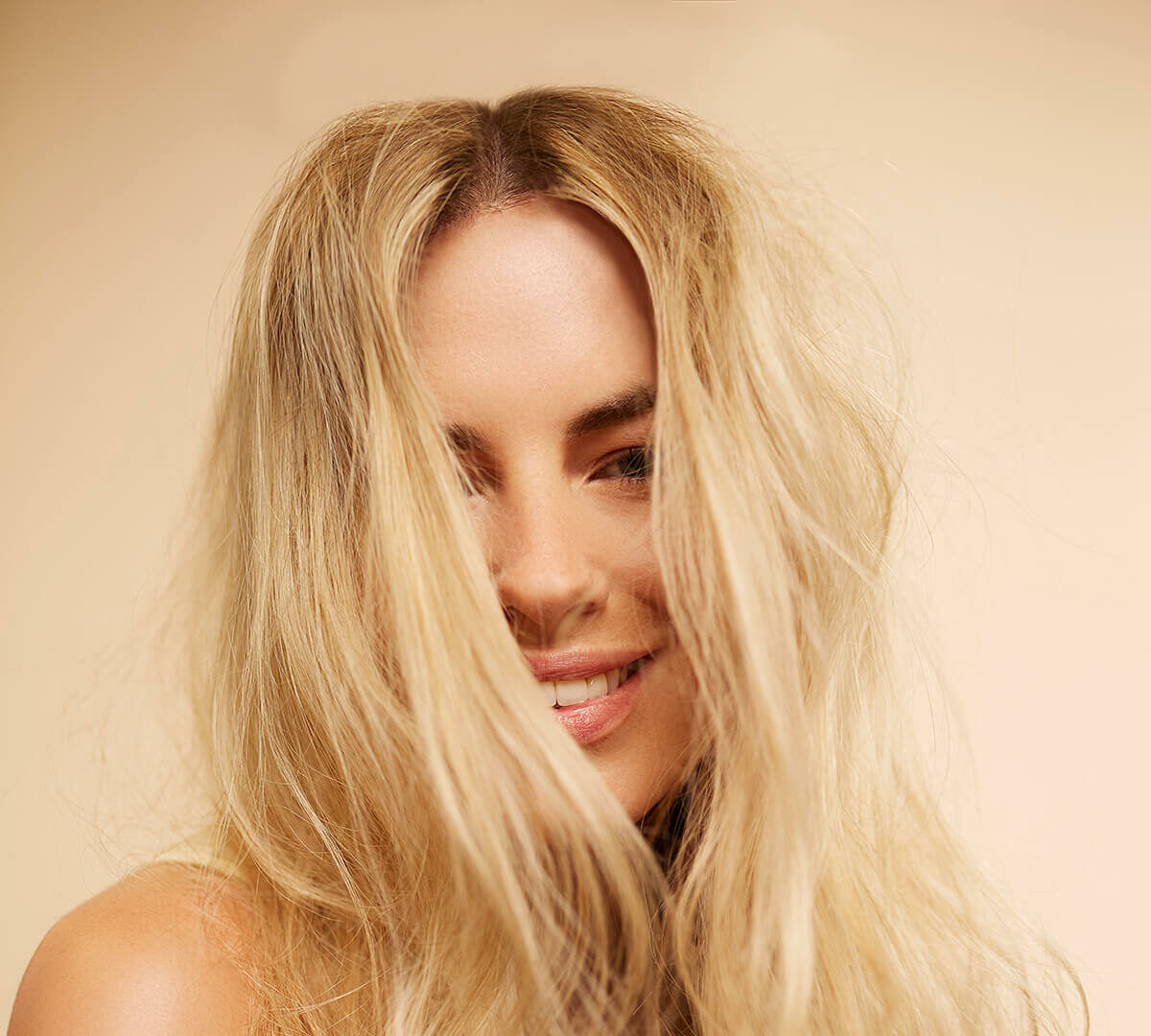
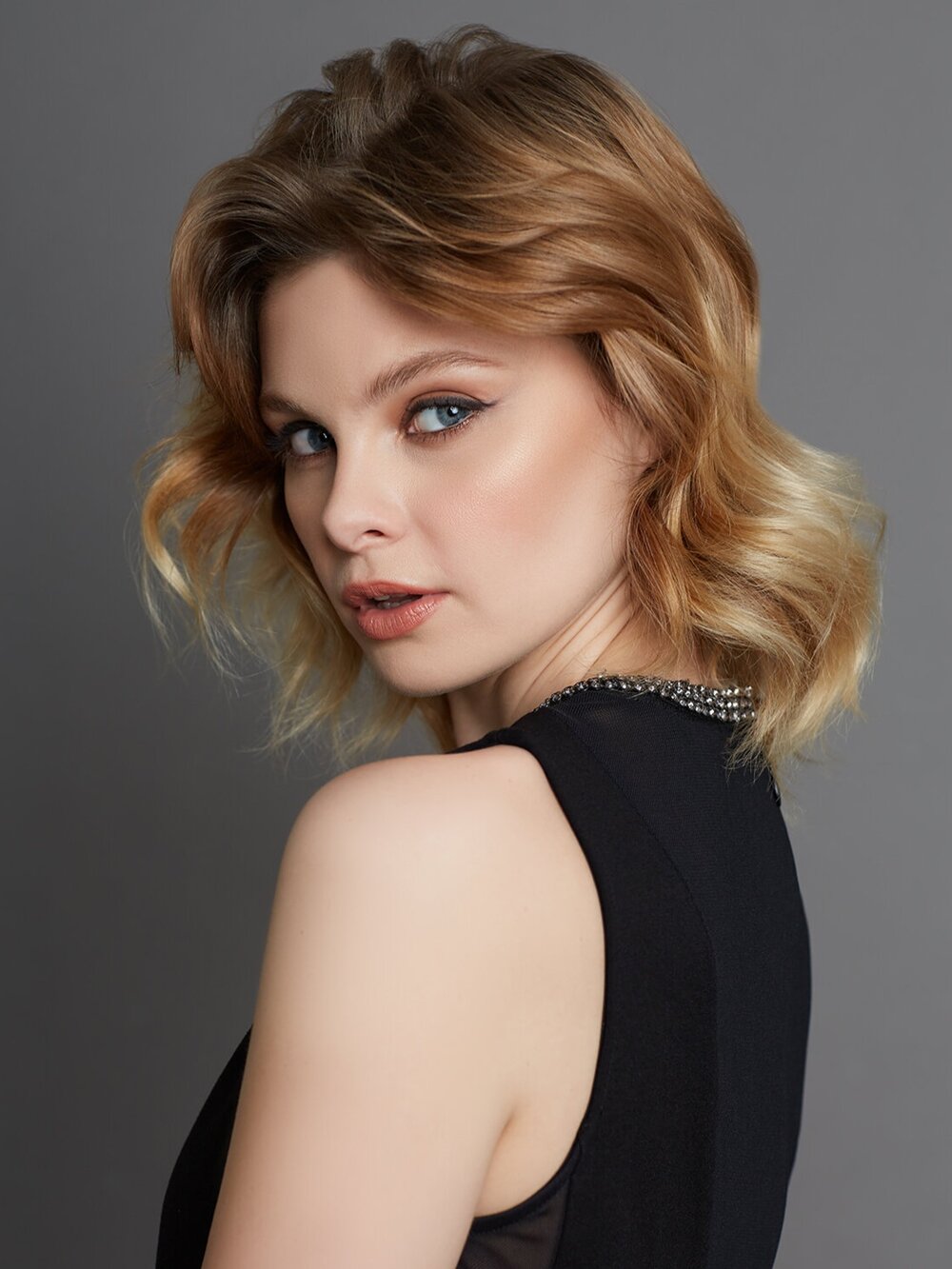
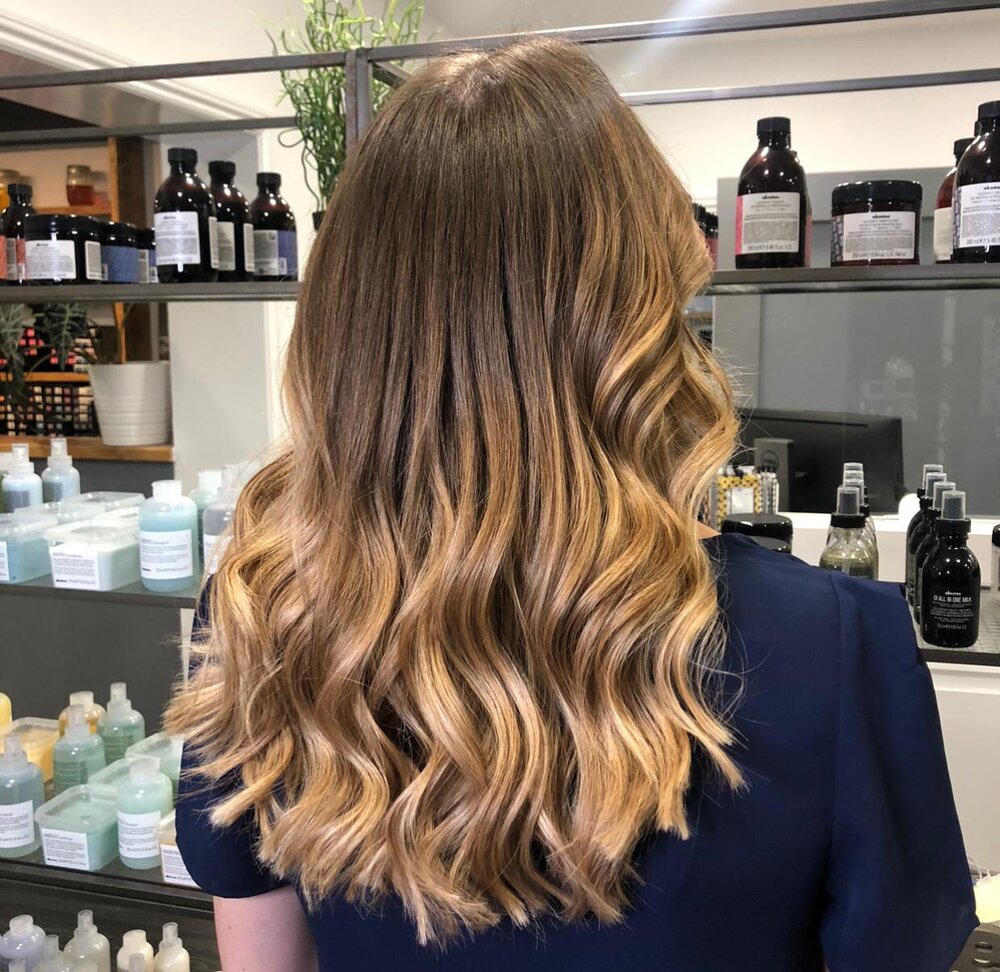
Natural balayage colour at NOCO Hair Bristol showing flattering tone placement

Natural balayage at NOCO Hair Bristol. Colour placed to work with, not against, the client’s natural base.

What happens when you push too far

When a blender, someone with dark hair and dark eyes, goes dramatically lighter, the result tends to look disconnected. The hair and the face stop speaking to each other. The colour draws attention to itself rather than enhancing the person wearing it.

The way around this, if a client with a darker base wants lighter tones, is to keep some depth around the hairline and face. Darker pieces framing the face maintain the natural connection between the hair colour and the person’s features. Lighter pieces can then come through the lengths and ends without the whole result looking wrong.

Direction rules by colour type
Dark hair, dark eyes (blender). Stay within one shade of your natural base for a seamless result. If you want lighter tones, keep darker pieces around the face and hairline. Balayage through the lengths is the most flattering approach.
Dark base, light eyes (contrastor). You have more range. The light eyes carry the contrast and stop lighter hair from looking disconnected. Highlights and balayage both work well. Going significantly lighter is achievable and can look very natural.
Fair hair, light eyes. Do not go more than two shades darker than your natural base. Going darker with light features tends to look heavy and draws the colour away from the face rather than toward it.
Going grey. Whether to blend, enhance or embrace depends entirely on your natural contrast. Light-eyed clients with a darker natural base often carry grey beautifully. For clients who want to disguise it, working colour between highlights creates a glossy, natural-looking result without full coverage.
“The best colour does not shout. It makes the person wearing it look like the best version of themselves. That starts with understanding what their natural colouring is already doing.”
Noel Halligan  ·  NOCO Hair Bristol

The hair colour level scale

Hair colour is measured on a scale of 1 to 10. Level 1 is the deepest black. Level 10 is the lightest blonde. Understanding where you naturally sit on this scale, and how far a colour direction moves from that point, is the foundation of every colour decision we make.

LEVEL SCALE  ·  1 TO 10
1 Black
2 Darkest Brown
3 Dark Brown
4 Medium Brown
5 Light Brown
6 Dark Blonde
7 Medium Blonde
8 Light Blonde
9 Very Light Blonde
10 Lightest Blonde
WARM TONES
1W
2W
3W
4W
5W
6W
7W
8W
9W
10W
COOL TONES
1C
2C
3C
4C
5C
6C
7C
8C
9C
10C

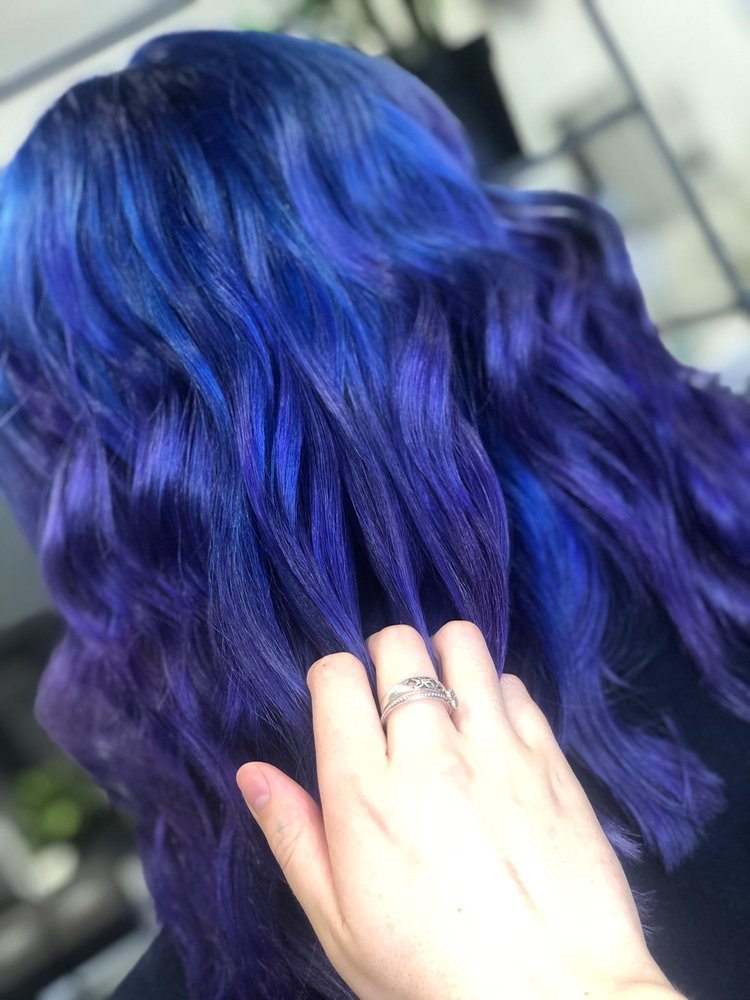
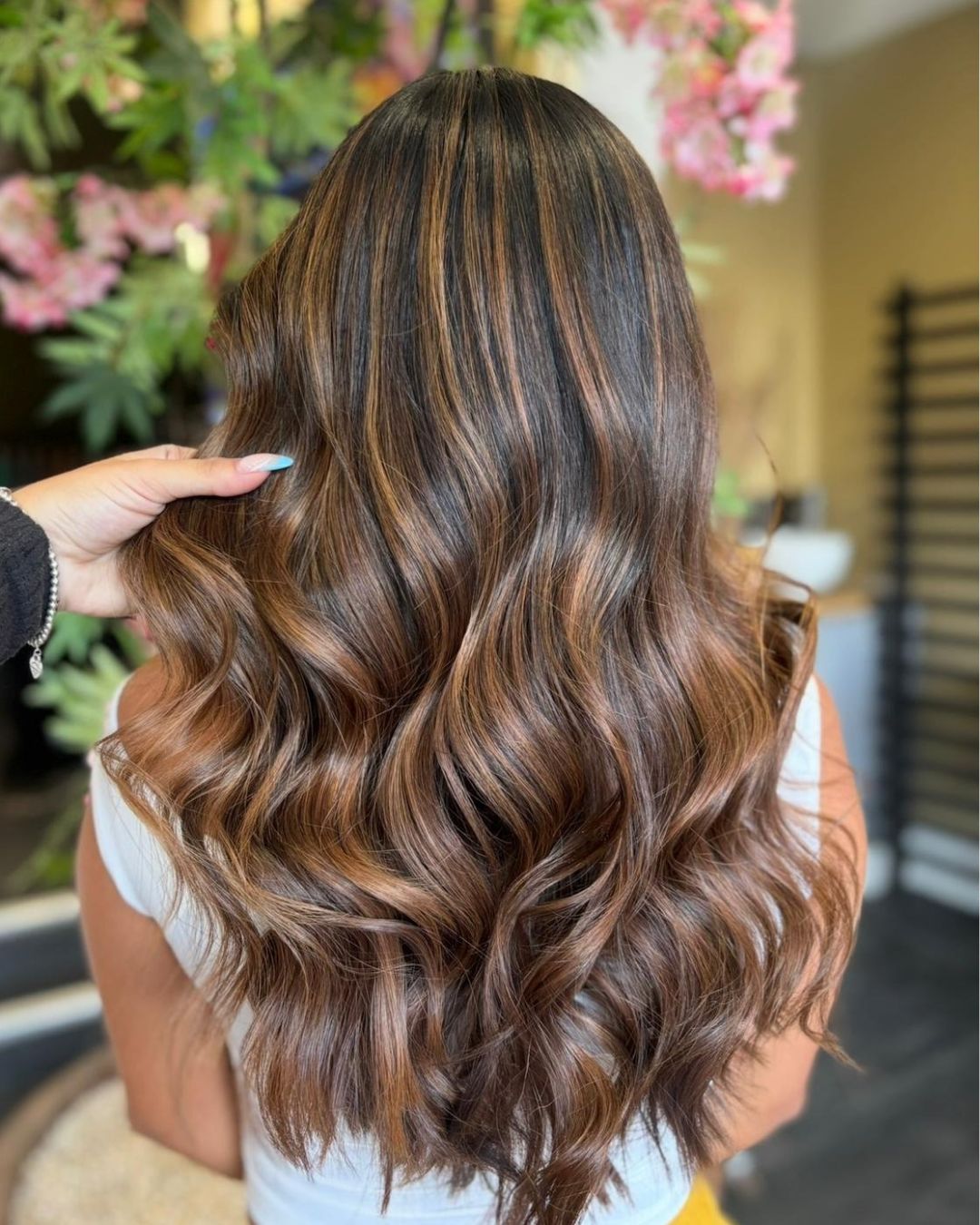
Real colour results at NOCO

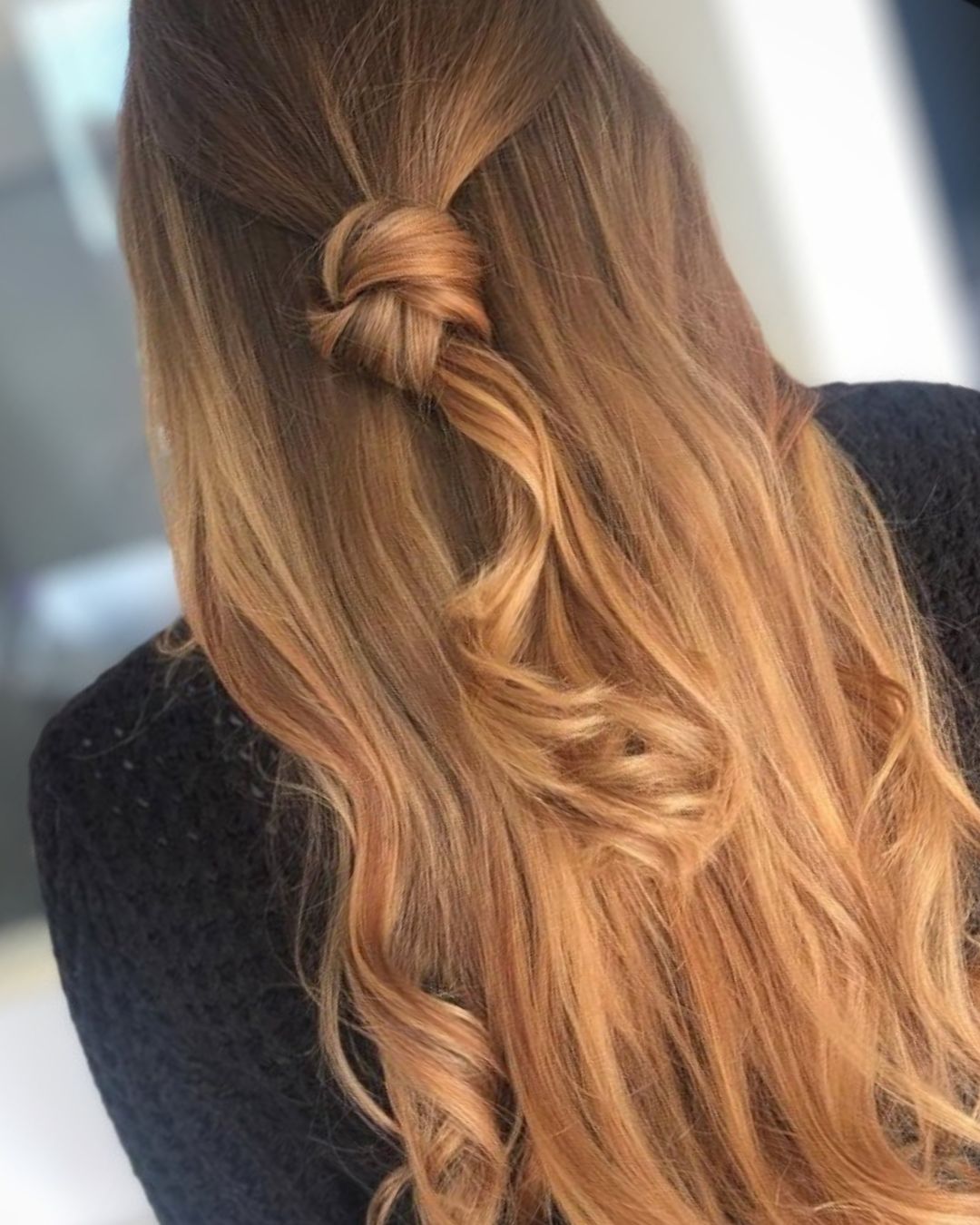
Every result below started with understanding the client’s natural base and eye colour first. The colour was designed to work with their colouring, not against it.
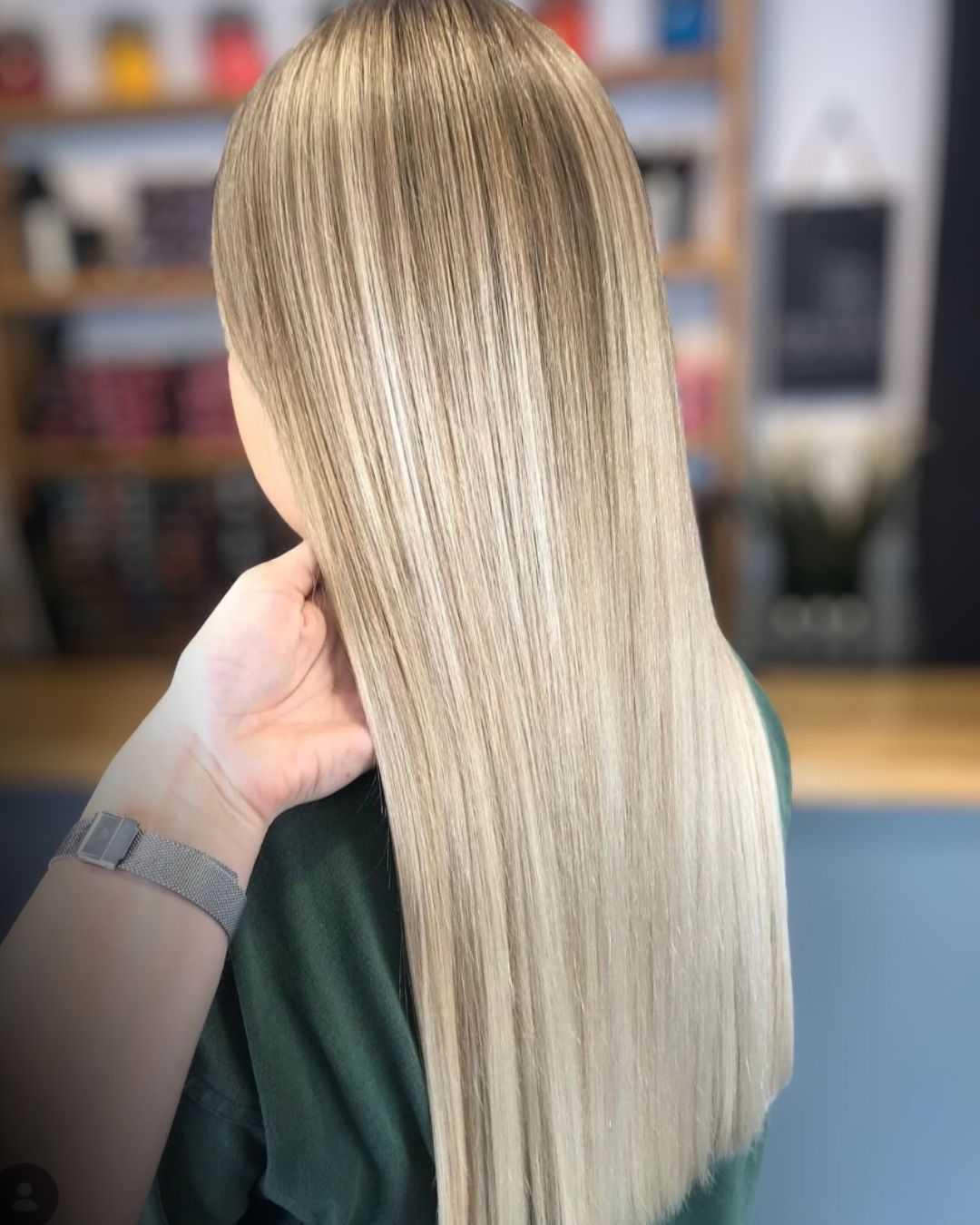
What we look at in a consultation

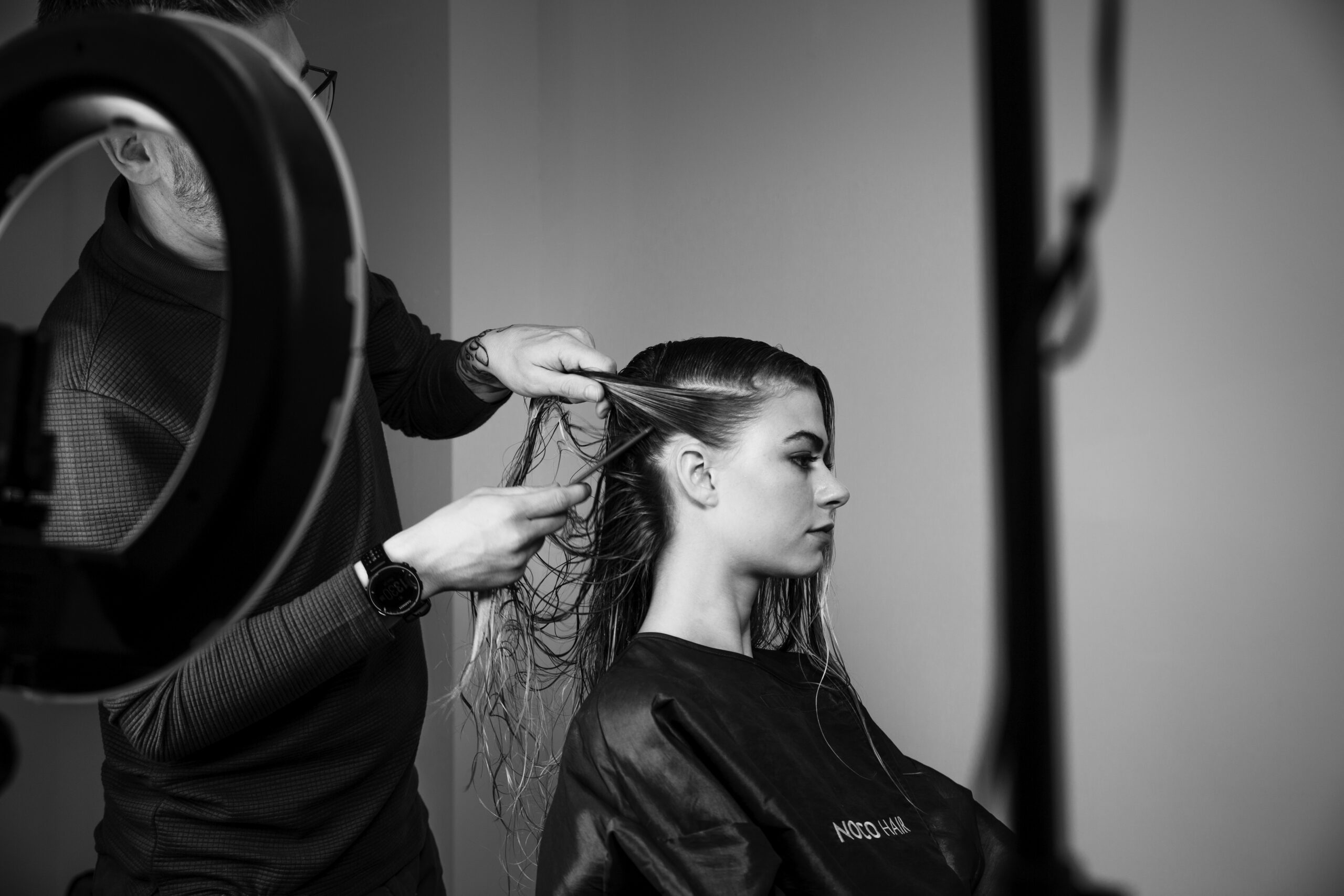
Before we recommend any colour direction, we assess your natural base shade, your eye colour, your skin tone and your colour history. We look at what your hair can safely achieve and what would actually suit you rather than just what is popular right now.

The consultation is where colour goes right. Skipping it is where colour goes wrong. A colour that suits someone else’s colouring is not automatically right for yours. The diagnosis has to come before the design.

N
Written by
Noel Halligan
Co-founder and Senior Stylist  ·  NOCO Hair Bristol

Noel Halligan is a Bristol-based hairstylist and salon educator with over 20 years of experience in colour and cutting. As co-founder of NOCO Hair, he has developed a consultation led approach to hairdressing that prioritises diagnosis before design. He works with clients on complex colour transformations and trains stylists through the NOCO Academy.

Not sure what colour will suit you?
Start with a consultation. We will look at your natural base, your eye colour and what your hair can achieve, then design something that works for you specifically.

Book a Colour Consultation

Related Content