

Are you ready to spice up your hair game with some dimension and texture? Look no further than balayage hair! This popular hair colouring technique has been taking the beauty world by storm with its natural-looking highlights and low-maintenance upkeep.
But once you’ve got your gorgeous balayage locks, what’s next? Don’t worry, we’ve got you covered with some fun and easy styling ideas to take your hair to the next level. Get ready to rock your sun-kissed strands with confidence!
Whether you’re looking for hair ideas for your blonde balayage or deciding if a caramel blonde balayage is right for you, this blog post will provide you with the knowledge and inspiration you need to rock your balayage hair. So, let’s dive in and explore the world of balayage hair styling!
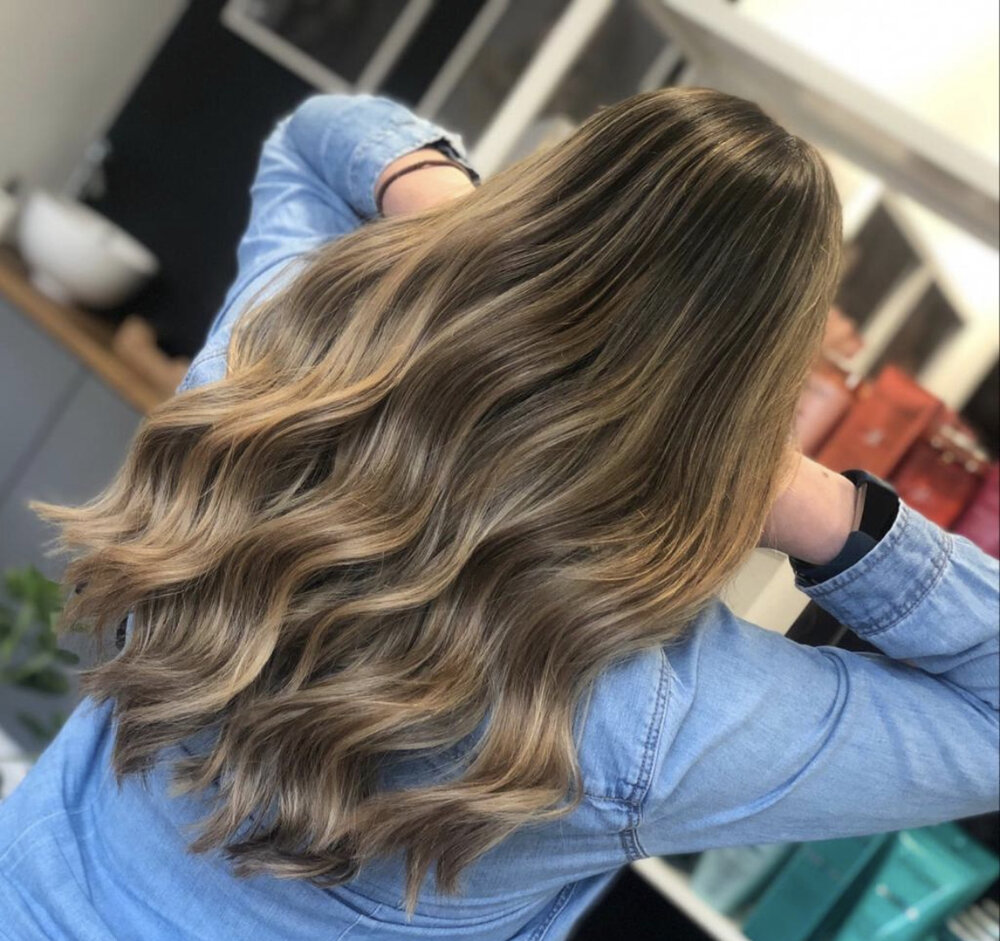
Understanding Balayage Hair
Balayage is a French word that means “sweeping” or “painting”. In the context of hair colouring, balayage is a technique that involves hand-painting highlights onto the hair to create a natural, graduated effect.
Foil highlights, although known for creating a more uniform look, can still provide a beautiful and eye-catching result. However, if you’re looking for a softer and more natural look that mimics the way hair naturally lightens in the sun, then balayage might be the perfect choice for you!
One of the key benefits of balayage is that it can add dimension and texture to hair. By using a hand-painting technique, hair colourists can create a range of tones and hues that blend seamlessly together, creating a multi-dimensional effect. This can make hair look fuller and more voluminous, and can also help to hide grey hairs or regrowth.
Another benefit of balayage is that it can work on different hair types, including blonde, brown, and dark hair. Balayage can be adapted to suit different styles and lengths and can be used to create a variety of effects, from subtle and natural-looking highlights to bold and dramatic colour contrasts. Balayage can also be customised based on skin tone and natural hair colour, making it a versatile choice for anyone looking to enhance their hair.
Styling Balayage Hair
Now that you understand what balayage is and how it can work on different hair types, let’s talk about how to style balayage hair. Balayage hair can be styled in a variety of ways, from choppy bobs to loose waves. Here are some hair styling ideas to help you make the most of your balayage hair:
Choppy Bobs
A choppy bob is a great way to show off your balayage hair. The uneven layers and textured ends can add depth and dimension to your hair, while the bob length can help to frame your face and accentuate your features.
Face-Framing Layers
Face-framing layers can help to highlight your balayage hair and draw attention to your face. By adding layers around your face, you can create a soft, natural-looking effect that can enhance your overall appearance.
Loose Waves
Loose waves are a great way to showcase the different tones and hues in your balayage hair. Whether you have blonde balayage or chocolate brown balayage, these waves can add volume and movement to your hair, creating a soft, romantic look.
Braids
Braids can be a fun and playful way to style your balayage hair. Try a loose, messy braid to showcase your colour and add some texture. Alternatively, you can create a braided updo for a more formal look.
Half-Up Half-Down
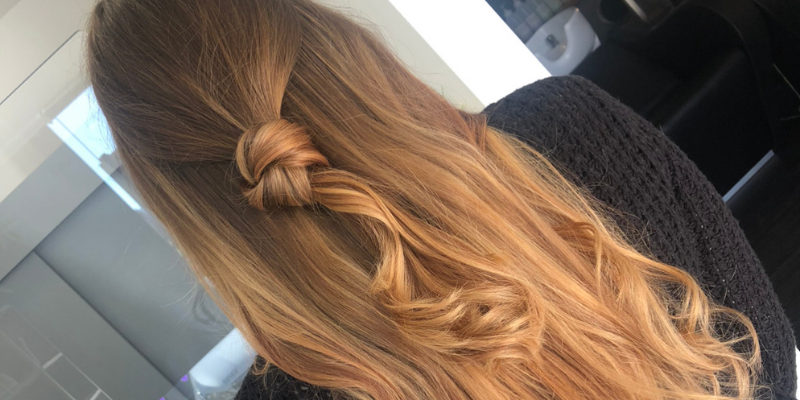
A half-up half-down style is a great option for those who want to showcase their balayage hair while keeping their hair out of their face. To really make this style pop, you can add some volume to the crown of your head by teasing the hair before pulling it back.
When it comes to maintaining your balayage hair, it’s important to use the right hair products. Shampoos and conditioners that are formulated for colour-treated hair can help to keep your hair looking vibrant and healthy. You may also want to use a colour-enhancing treatment or gloss to keep your balayage hair looking fresh and shiny.
Finally, when styling different hair types with balayage, it’s important to consider the natural hair colour and skin tone. For example, if you have dark hair, you may want to opt for a caramel blonde balayage. If you have light hair, you may want to choose a darker base colour to create a more dramatic effect. By customising your balayage to suit your hair type and skin tone, you can create a look that’s uniquely yours.
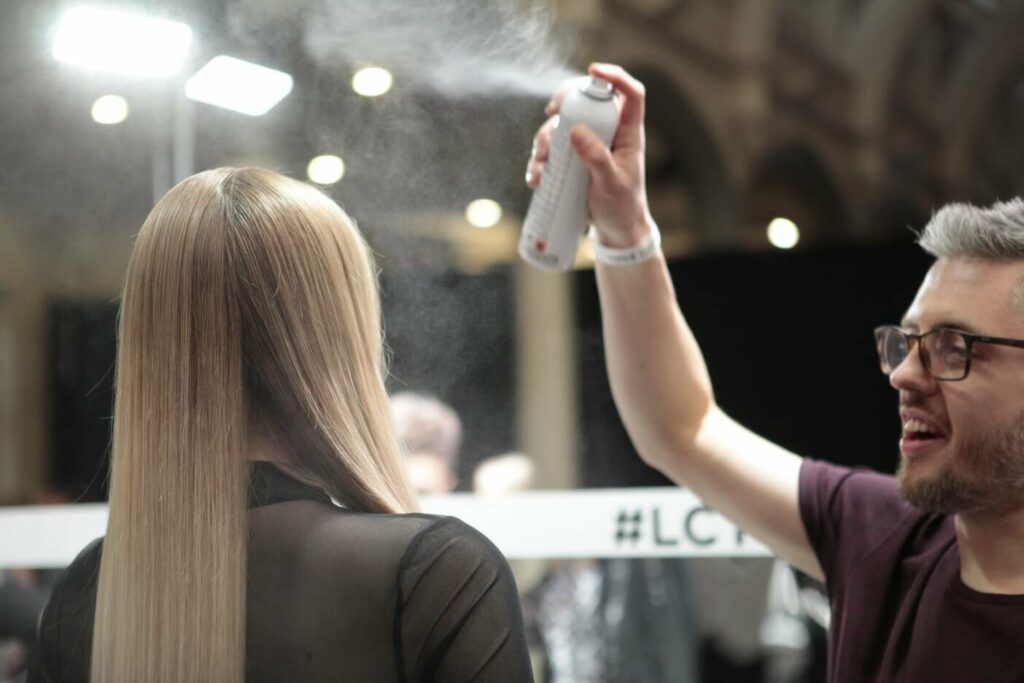
Tips for Styling Different Hair Types with Balayage
Blonde Balayage: Blonde balayage hair looks great when styled in loose waves or with a messy bun. To keep your blonde balayage looking vibrant, use a purple shampoo to prevent brassy tones.
Chocolate Brown Balayage: Chocolate brown balayage hair can be styled in a sleek, straight look or with bouncy curls. To add some volume to your hair, use a volumising mousse or spray.
Caramel Blonde Balayage: Caramel blonde balayage hair looks great when styled in beachy waves or with a braided updo. To keep your caramel blonde balayage looking shiny and healthy, use a leave-in conditioner to protect your hair from heat damage.
Benefits of Balayage Hair Colouring Technique
Balayage hair colouring technique has gained immense popularity over the years for several reasons. Let’s take a look at some of its benefits:
Natural Look: Balayage involves the selection of specific strands of hair and blending them with the natural base. The result is a soft and natural-looking hair colour that is different from traditional foil highlights that have obvious lines of demarcation.
Low-Maintenance: Balayage is a low-maintenance technique that allows for more time between appointments. The lightened strokes are painted softly, leaving no trace of harsh or blunt lines or obvious regrowth.
Less Damage: The balayage technique does not involve saturating the entire head of hair in bleach, as is the case with the double process. Therefore, less bleach is used, resulting in a lighter look with significantly less damage to your hair.
Final Thoughts: Embracing the Beauty of Balayage
In summary, balayage is a versatile hair colouring technique that adds dimension and texture to different hair types. It looks more natural than traditional foil highlights and requires less maintenance, making it a great option for those who want to experiment with new hair colours without committing to frequent touch-ups.
We hope this article has given you some inspiration and ideas for how to style your beautiful balayage hair. Don’t be afraid to try out different styling techniques, such as choppy bobs, face-framing layers, and loose waves, to showcase your unique and stunning hair. And if you’re looking to get your own balayage hair done, our team of expert stylists at NOCO would be thrilled to help you achieve the perfect look. Book your appointment with us today and let us help you unleash your inner balayage goddess!
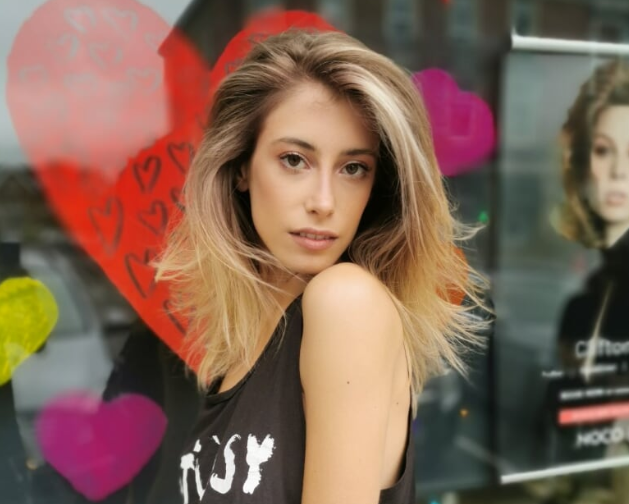
Choosing a hair colour that actually suits you is not about following trends. It is about understanding two things: your natural base colour and your eye colour. Once you know those, the right direction becomes much clearer and the wrong ones are easy to avoid.
We use a simple framework at NOCO to have this conversation with clients. It cuts through the noise and gets us to the right answer quickly. Are you a blender or a contrastor?
Blenders and contrastors
These are the two natural colour types we work with. Understanding which one you are is the starting point for every colour conversation.
Why eye colour matters more than people think
Eye colour is one of the most reliable indicators of what will work on your hair. Light eyes create natural contrast against darker features. That contrast gives the face a lift and means the hair can carry lighter tones without looking flat or washed out.
I went grey at around fifteen years old. Dark natural base, light eyes. For years I coloured my hair. But when I eventually had more salt than pepper, something clicked. The light eyes balanced the lighter hair. It worked because the contrast was natural, not forced. That is exactly what we are looking for when we sit down with a client.
Natural balayage at NOCO Hair Bristol. Colour placed to work with, not against, the client’s natural base.
What happens when you push too far
When a blender, someone with dark hair and dark eyes, goes dramatically lighter, the result tends to look disconnected. The hair and the face stop speaking to each other. The colour draws attention to itself rather than enhancing the person wearing it.
The way around this, if a client with a darker base wants lighter tones, is to keep some depth around the hairline and face. Darker pieces framing the face maintain the natural connection between the hair colour and the person’s features. Lighter pieces can then come through the lengths and ends without the whole result looking wrong.
The hair colour level scale
Hair colour is measured on a scale of 1 to 10. Level 1 is the deepest black. Level 10 is the lightest blonde. Understanding where you naturally sit on this scale, and how far a colour direction moves from that point, is the foundation of every colour decision we make.
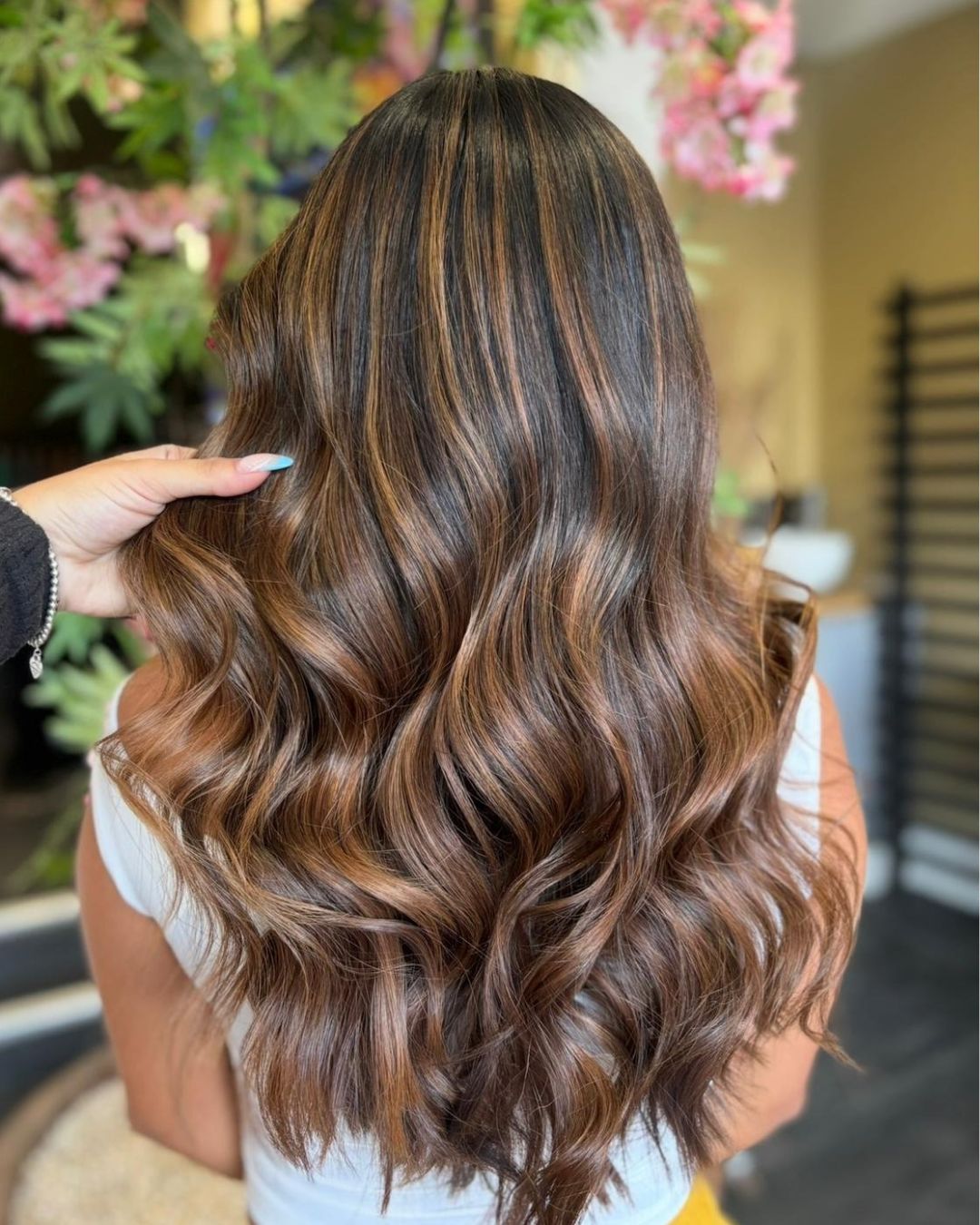
Real colour results at NOCO
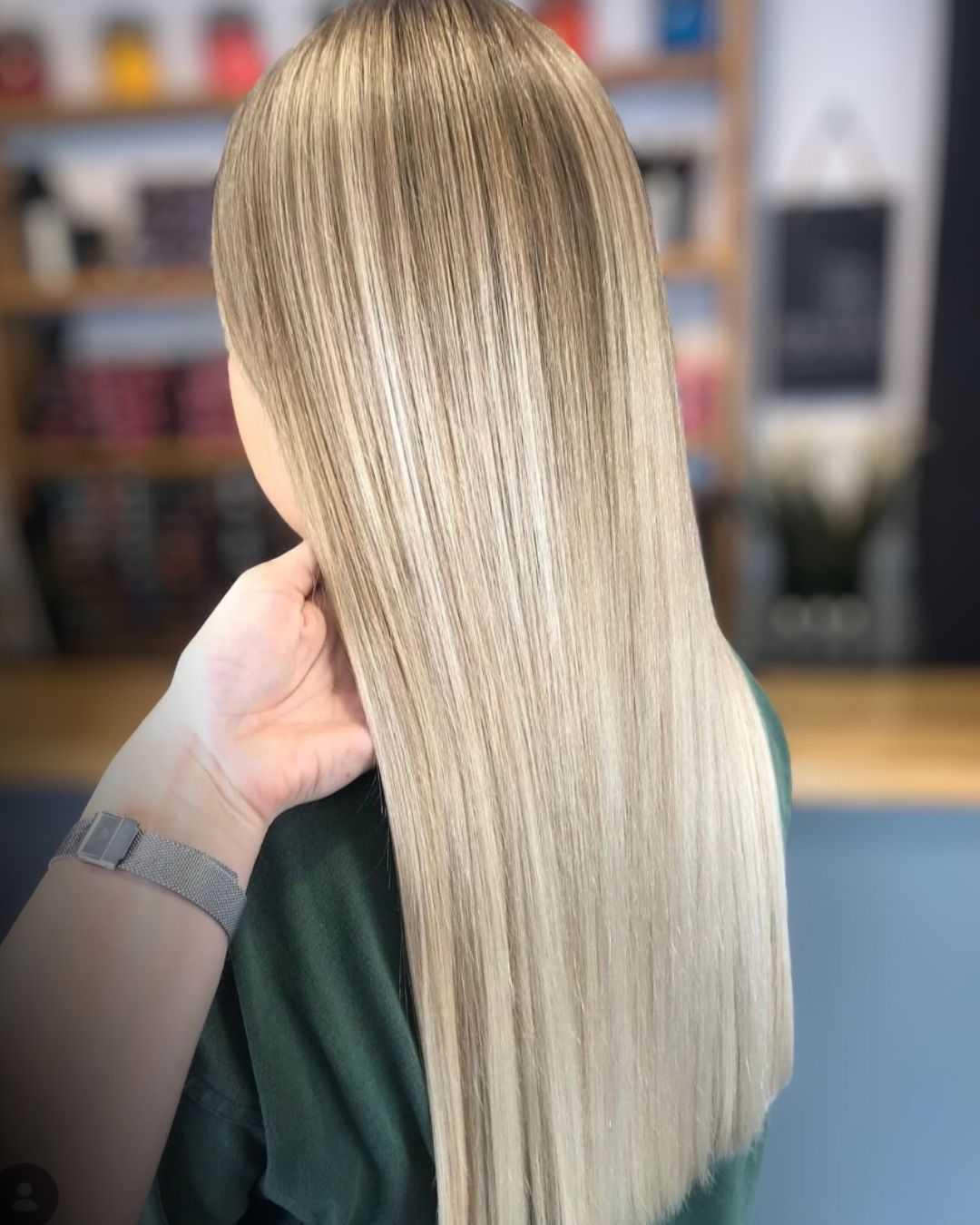
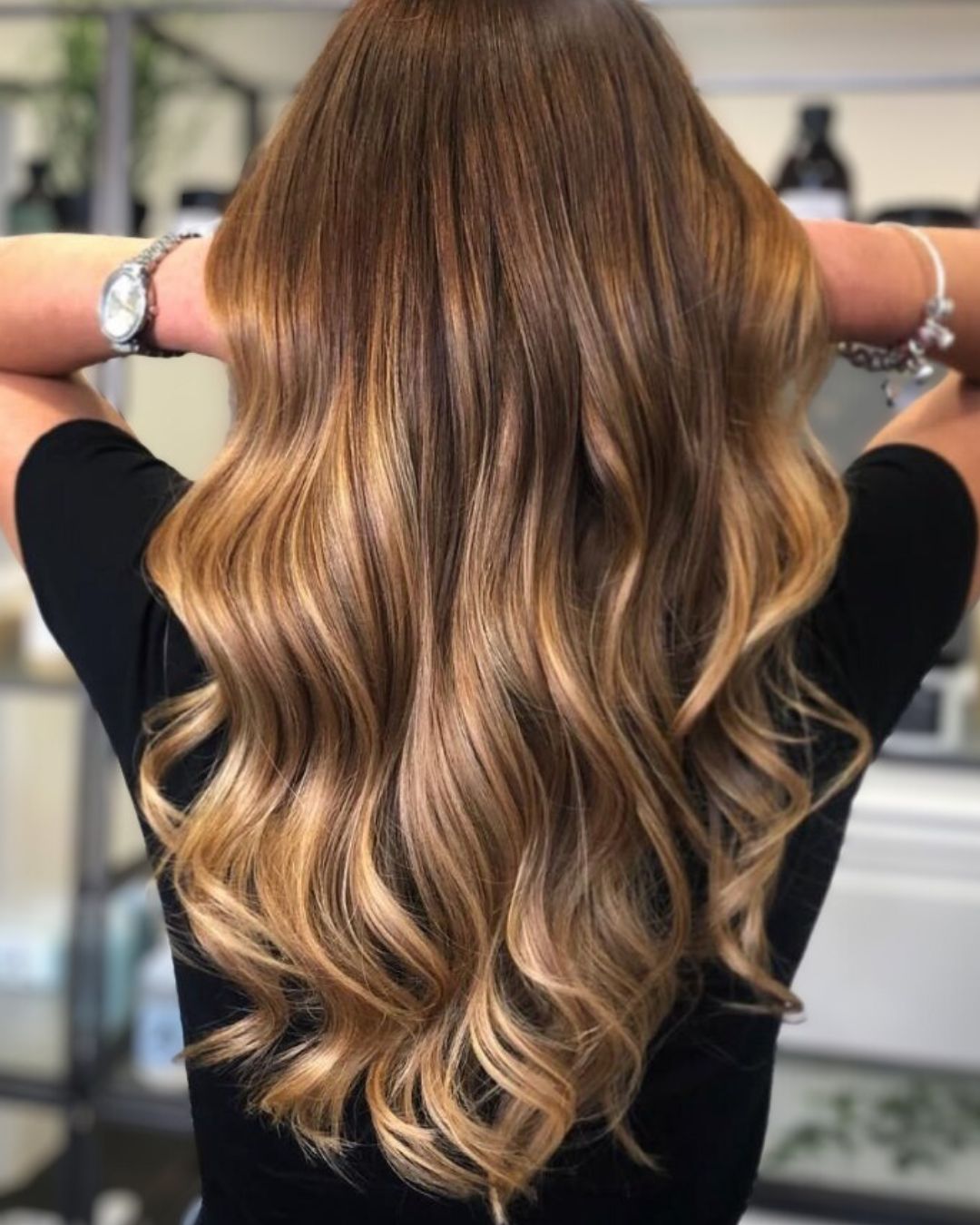
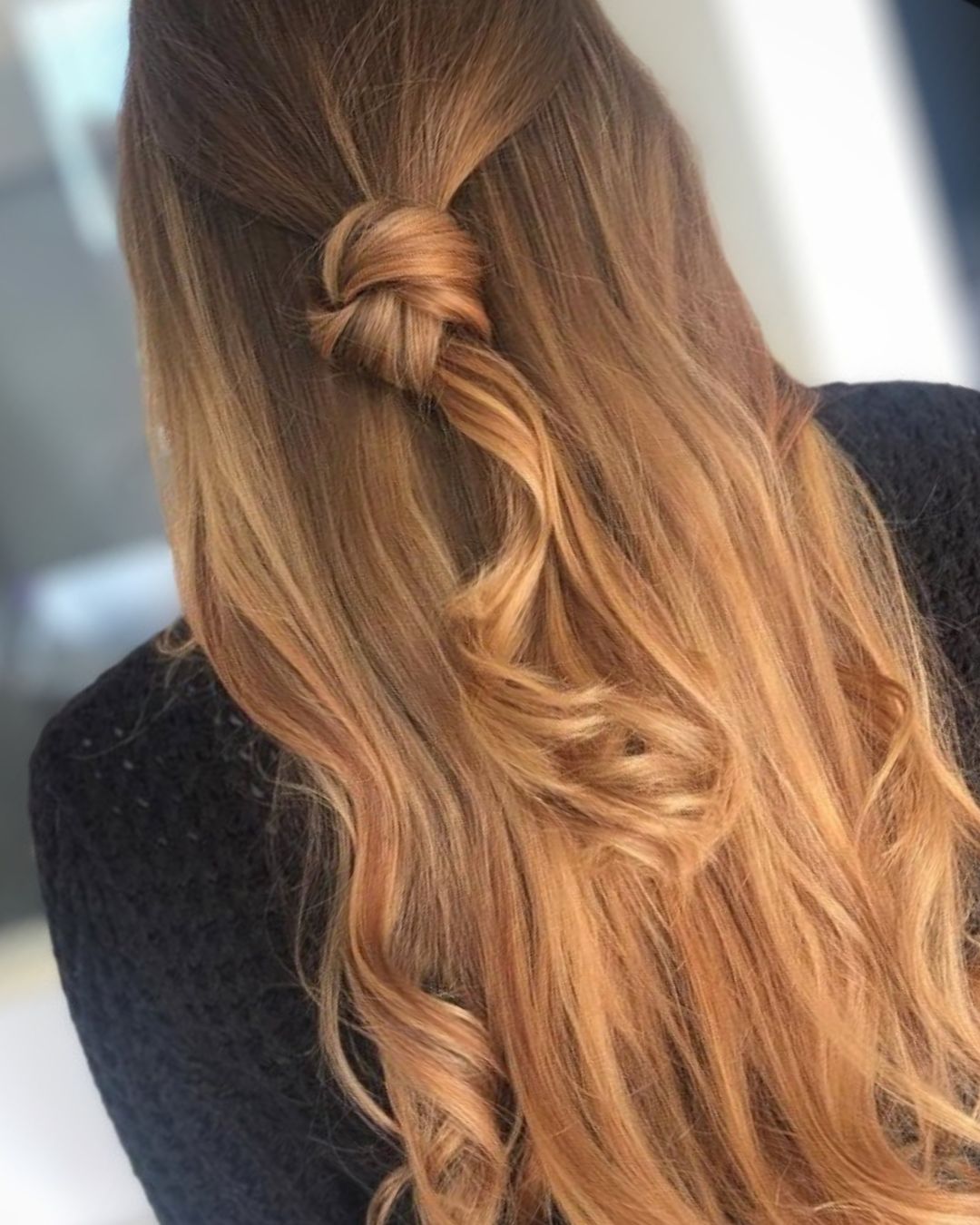
Every result below started with understanding the client’s natural base and eye colour first. The colour was designed to work with their colouring, not against it.
What we look at in a consultation
Before we recommend any colour direction, we assess your natural base shade, your eye colour, your skin tone and your colour history. We look at what your hair can safely achieve and what would actually suit you rather than just what is popular right now.
The consultation is where colour goes right. Skipping it is where colour goes wrong. A colour that suits someone else’s colouring is not automatically right for yours. The diagnosis has to come before the design.
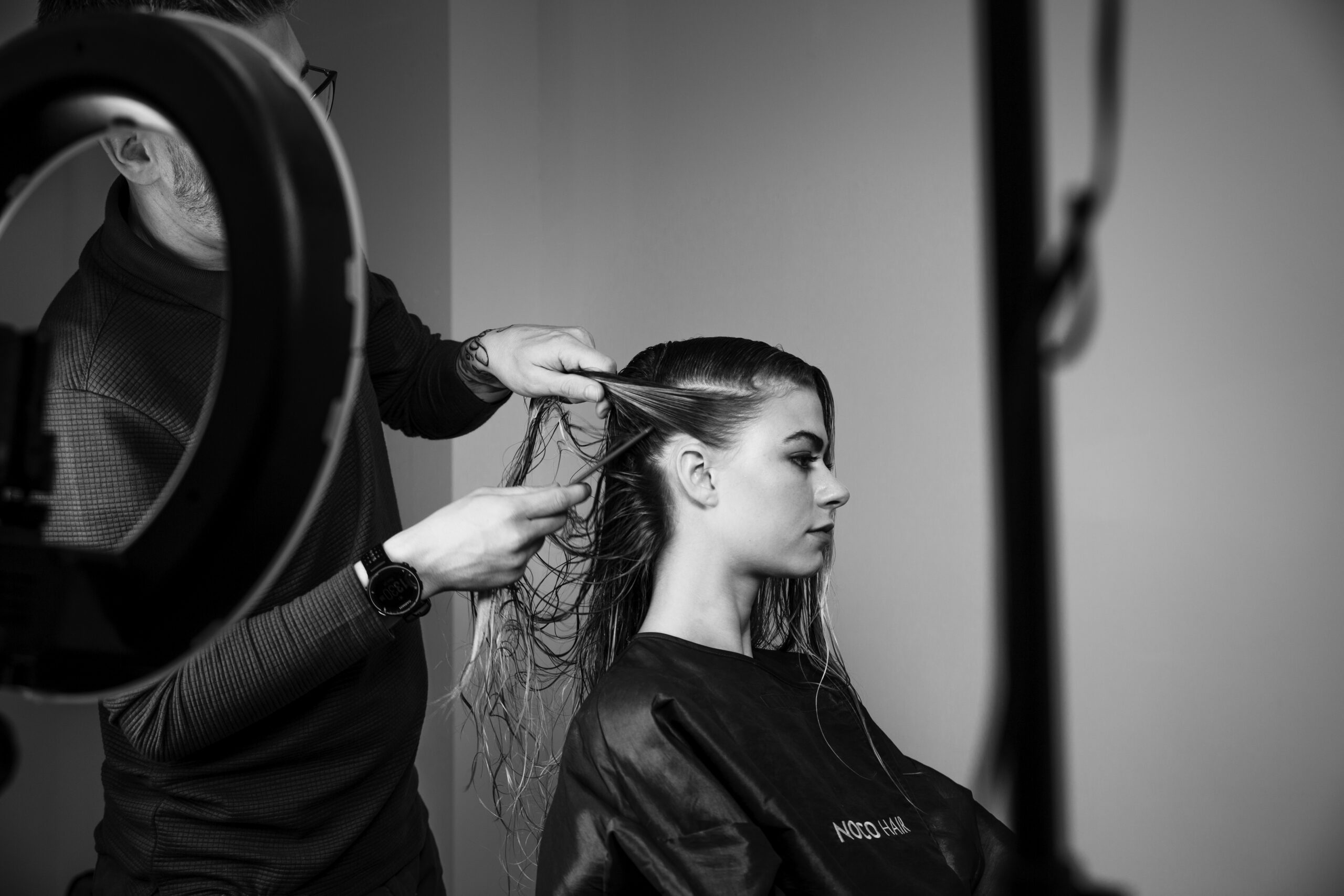
How often you should get your hair cut depends on your hair length, texture, how much heat or chemical processing it goes through, and what you are trying to achieve. For most people, somewhere between every six and twelve weeks is the right range, but the right answer for you sits within that depending on your specific situation.
The most important reason to keep up with regular cuts is not style. It is health. Split ends left unchecked travel up the hair shaft, causing frizz, breakage and dullness that no product can fully reverse.
Why haircut timing matters
Hair grows roughly half an inch a month. For short or layered styles, that growth quickly changes the shape and balance of the cut. For longer hair, the ends are the oldest and most vulnerable part of the hair shaft, and they accumulate damage over time from heat, styling and environmental exposure.
A regular cut removes that damage before it spreads. It also keeps your style looking intentional rather than grown out.
How often by hair type and length
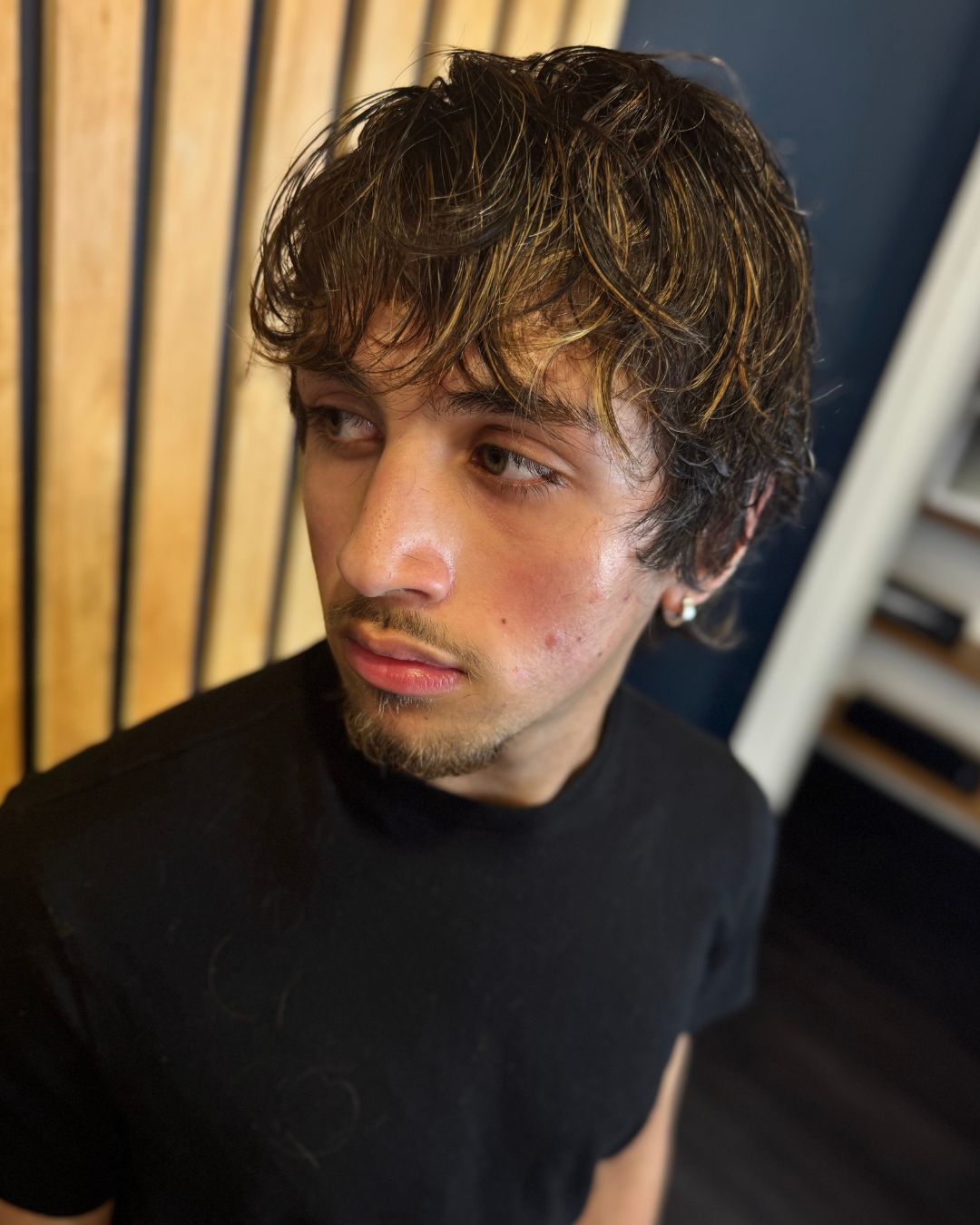
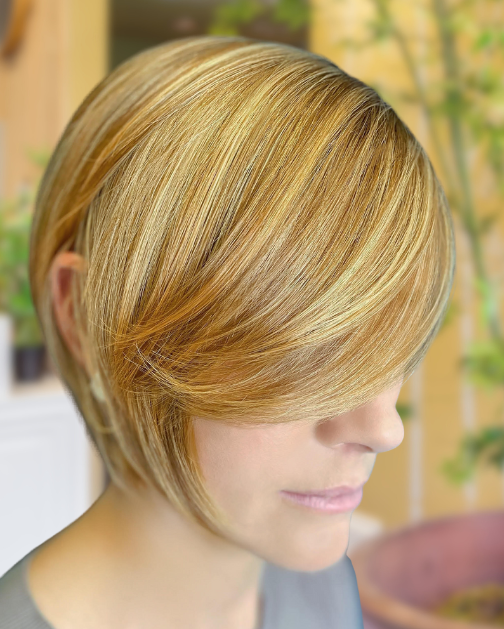
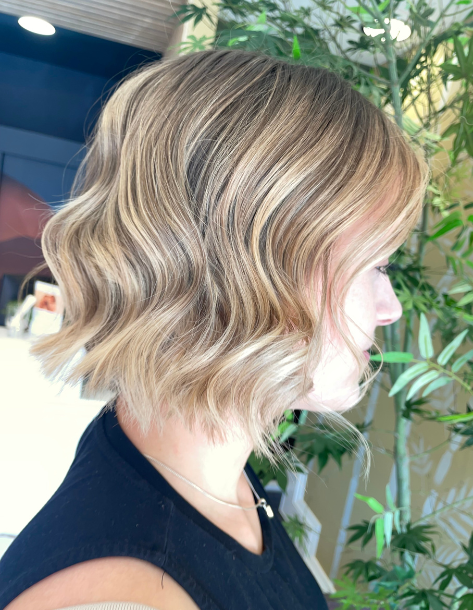
Precision cuts maintained regularly always look intentional.
What about fringes?
Most people trim their fringe roughly every four weeks, or whenever it reaches a length that bothers them. Because the fringe sits directly in the line of sight, it is easier to spot when it needs attention than the ends of the rest of your hair. Many clients manage this themselves between appointments, which is perfectly fine with the right scissors and a steady hand.
What if you are growing your hair out?
Trimming while growing your hair is not counterproductive. It feels that way, but leaving split ends to travel up the shaft costs you more length than the trim does. Even when growing, having a small amount taken off every three months keeps the ends healthy and means the length you are growing is retained rather than breaking off.
Ask your stylist specifically to maintain the length while removing damage. A good stylist will take the minimum necessary to keep the ends healthy without sacrificing length unnecessarily.
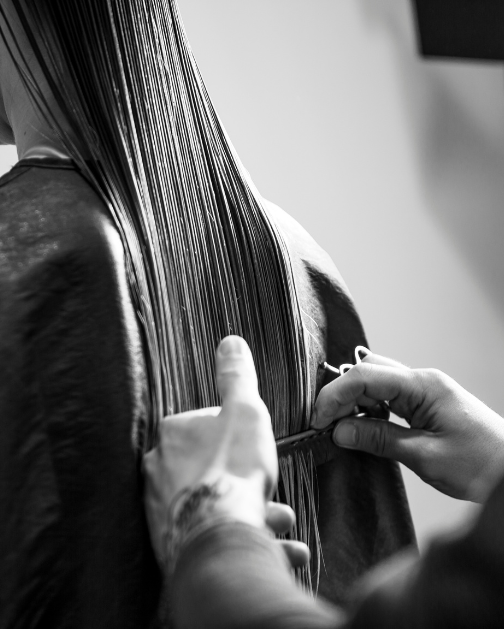
A precise cut maintained regularly always looks intentional.
For most women, your wedding day will be one of the most important days of your life. Whether you have been planning your big day since you were a little girl or have been planning for a few months, everyone deserves to feel like a queen on their big day!
Wedding planning can be a very stressful and time-consuming job. In the whirlwind of venues, buffets, and guest lists, tasks like choosing your hairstyle can be one of the last things on your agenda.
With so many options to choose from, it can be hard to know where to start. But look no further, in this post we will go through everything you need to know when choosing a hairstyle for your wedding day.
Ways to help choose your hairstyle
Choosing a hairdo for your big day is almost as important as the dress. Finding a hairstyle that goes with your dress and wedding aesthetic whilst ensuring your chosen do matches your personality can be a difficult task and knowing where to start can be challenging. Here are a few ideas to figure out the best style for you!
Inspiration board
A good idea to kickstart your hairdo ideas is by creating an inspiration board. Simply going on Pinterest and starting a wedding hairstyle board will help inspire you and give you different ideas for any styles you might like.
Hair trial
On your big day you want to ensure everything runs smoothly, and the last thing you want is your hair not going to plan at the last minute. To avoid this happening, book a hair trial before your wedding day. Going through possible looks with your hairdresser will give you peace of mind knowing that your style is exactly how you want it.
Be sure to turn up to your hair trial as prepared as possible, have photos of your dress, accessories, and your Pinterest inspiration ready. This will help your stylist achieve the perfect hair for you.
The Dress!
The star of the show… Your wedding dress is a great place to start when choosing your hairstyle. Looking at how the model styled the dress and the editorial photos, will help spark inspiration for what suits your dress.
For example, having a dress with a detailed back, it is a good idea to focus on updos to show the back off. If it is a dress with a high neckline you will benefit from high updos that will elongate the neck. Strapless dresses best suit long luscious locks falling over the shoulder. Research the different hairstyles best suited to your dress.
Think about the Veil
If you have a veil or a headpiece it is important to factor these in when deciding your chosen hairstyle. Ensure the style you pick can work with your chosen headpiece.
Just do you
The best advice for your big day is to just do you! People look the best when they feel the best, choosing a style you don’t feel yourself in can make you feel unconfident for your special day. Listen to your gut and go with whatever feels natural for you.
Types of wedding hairstyles
Once you have some inspiration for your wedding hairstyle, picking the actual do can feel overwhelming due to the never-ending list of possible hairstyles for your big day! However, here are a few of the most popular hairstyles to think about.
Updos
When choosing a hairstyle, most brides will look into updos due to the vast amount of variations available. Almost every updo can be adjusted to fit almost any face shape, not to mention you can get creative with it!
Some of the different options for updos could be:
- Sleek bun
- Messy bun
- Braids and twists
- Ponytail
- Chignon / low bun
- Fishtail braid
If your wedding is taking place in those hot summer months, an updo may be your best friend. Having an updo will keep your hair off your neck helping you stay cool, as well as it being a sure way to stop the frizz!
Down styles
Simple down dos are very popular for brides. Most say wearing your hair down gives the most confidence as it feels the most natural.
Some styles to think about for a down do could be:
- Sleek and straight
- Bouncy curls
- Beachy waves
- Side swept
- Polished blowout
- Pin up
Down dos can look effortlessly romantic as well as looking gorgeous with or without a veil.
Keep it natural
Natural hairstyles are just as versatile as any other wedding hairdo. Having more natural texture to the hair can create beautiful updos, down dos, half ups, and half downs.
A few natural ideas could be:
- Floral fro
- Braids
- Natural curls
- Messy bun
- Chignon
- Top knot
- Deep side part
Curls
Curls are a very popular and versatile hairstyle for brides. With many different curls to choose from they often draw brides in.
A few different ways to style your curls could be:
- Big, Bouncy curls
- Tight ringlets
- Pin curls
- Curly loose bun
- Half up half down
- Messy waves
- Curly ponytail
- Loose waves
- Soft waves
Half-up, Half- down
If you are stuck between that updo or letting your luscious locks flow, a half-up, half-down look could be for you. Have the top section tied into a bun or a ponytail which then leaves you with plenty of unrestrained tresses to style how you like.
Having a half-up half-down do, gives you the safety of having your hair down whilst also pinning back the hair from your face.
Hair accessories
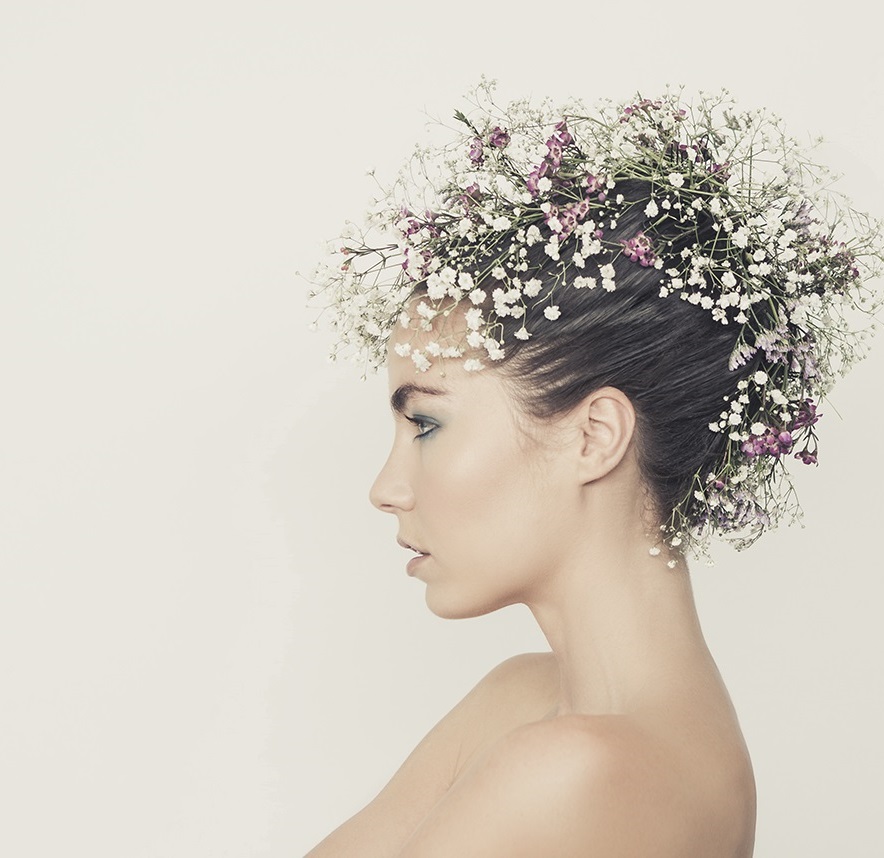
Sometimes a simple braid or a chignon isn’t enough, why not go the extra mile on your special day and add a hair accessory. There are many hair accessories available. From hair pins to flower crowns, accessories can truly tie your bridal look together.
Do your wedding in style
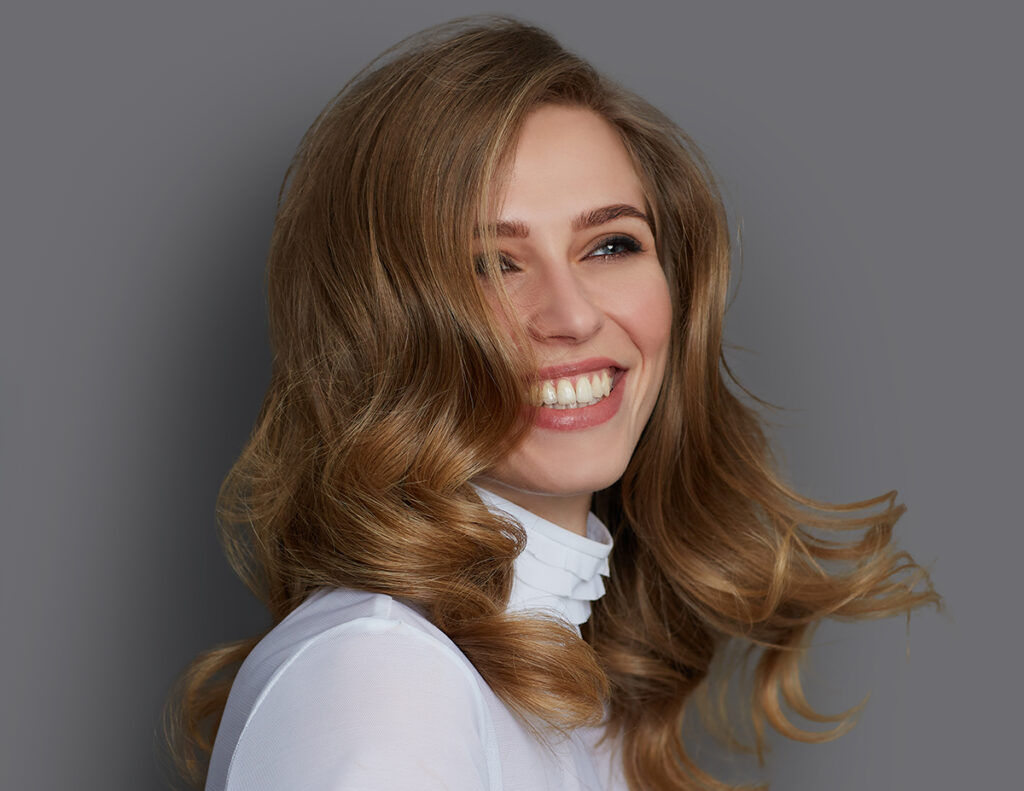
It is important for everything to run smoothly for your big day, don’t let your hair get you down! Put your trust in us, here at NOCO, we have many services available to get you feeling and looking your best for your special day.
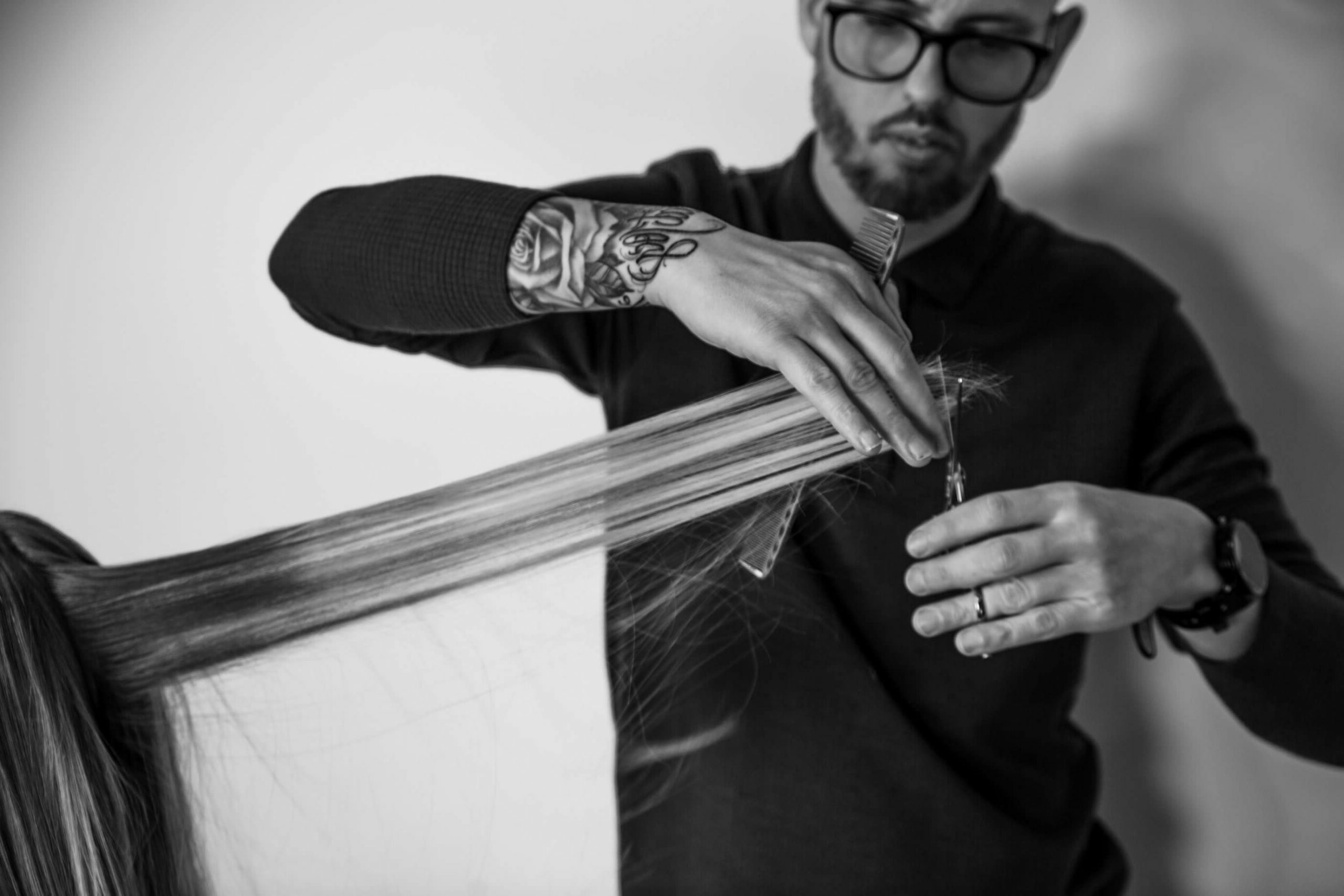
Regular trims are one of the simplest and most overlooked parts of a hair care routine. Not because they make hair grow faster, but because they remove the damage that slows everything else down.
A trim removes split ends and damaged lengths before they travel further up the hair shaft. What is left behind is stronger, healthier hair that responds better to styling, holds colour longer and looks fuller from root to tip.
Trim versus haircut: what is the difference?
A trim removes a small amount of length, typically around an inch or two, without changing the shape or style of the cut. The goal is to remove damage while maintaining the existing look. A haircut changes the shape, length or style. If you ask for a trim, your stylist knows to preserve the structure and simply refresh the ends.
How often should you trim?
This depends on your hair length, texture and how much heat or chemical processing it goes through. As a general guide:
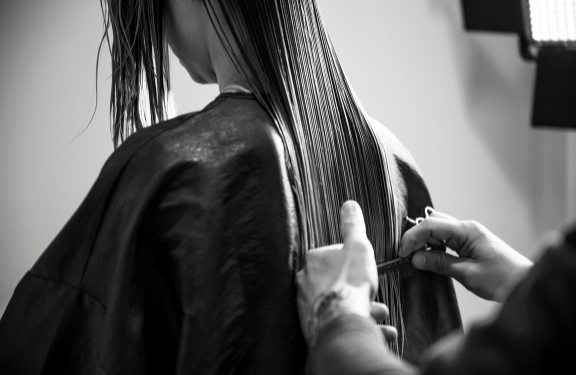
A regular trim removes damage before it travels up the hair shaft.
What regular trims actually do
Signs it is time for a trim
You do not have to wait for a scheduled appointment if the signs are there. These are the clearest indicators that your hair needs a trim sooner rather than later.
Healthy, trimmed ends make the whole length look and behave better.
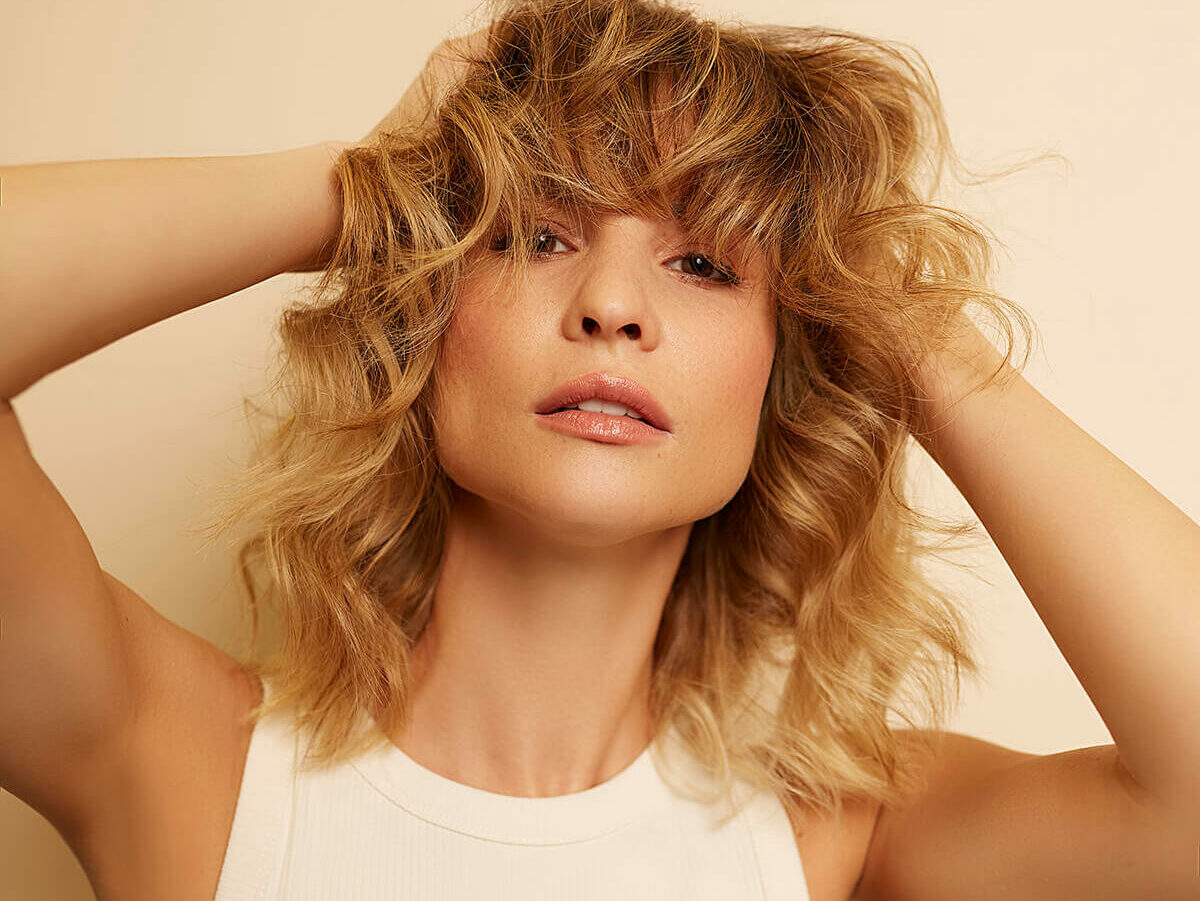
Curly hair is not difficult to look after. It is just different. The routines and products that work perfectly on straight hair can actively damage curly hair. Once you understand why, getting consistently good results becomes a lot more straightforward.
Every curl type behaves slightly differently, so some trial and error is part of the process. But these five principles apply across the board.
1. Get into a washing routine that suits curls
Natural oils produced by the scalp are essential for healthy, hydrated hair. The problem is that curly and textured hair makes it much harder for these oils to travel down the hair shaft due to its shape. This means curly hair dries out faster and is more sensitive to over-washing than straight hair.
Washing once a week or even less is the general recommendation for curly hair. When you do shampoo, focus on the scalp rather than working the shampoo through the lengths. The ends will get cleaned when you rinse. Shampooing the full length too frequently strips the moisture that curly hair needs most.
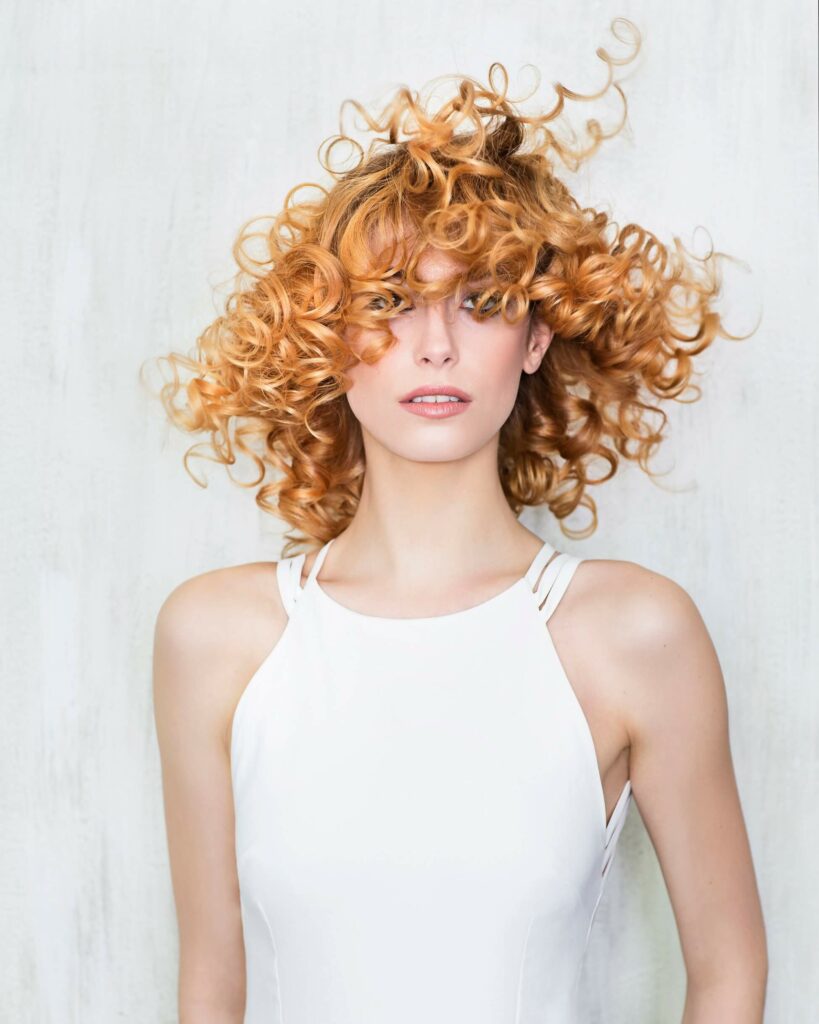
Healthy curl definition comes from consistent moisture, not product volume.
2. Moisturise consistently
Whatever type of curl you have, whether wavy, loose, tight or coiled, curly hair is naturally prone to dryness, frizz and breakage. The solution is not more product. It is the right product used consistently.
Nutrition also plays a role. Protein, iron and vitamins that support hair growth and condition come from what you eat as much as what you apply. Read more in our guide on how diet affects hair health.
3. Choose the right products
The curly hair product market is overwhelming. Most of it is not worth the price. A few simple rules cut through the noise.
4. Style correctly
Short curly hair styled correctly at NOCO Hair Bristol.
5. Protect your curls overnight and day to day
The days become longer and brighter, which can only mean one thing: summer is here! Although summer means beach days and holidays, it’s important to know the dangers of those UV rays.
You wouldn’t step out into the summer sun without lathering up in sun cream, so why forget about those luscious locks?
Just like your skin, the sun will damage your hair too. Between sun, sea, and sand, your hair goes through a lot in those summer months. Without the correct hair care steps, the damage can really take a toll on your tresses. Read on to learn how to maintain healthy hair in the summer.
How sun can damage your hair
Those hot days and UV rays can be very damaging to your hair. It is crucial to understand those effects and the importance of protecting your hair from the sun.
- Cuticle damage – The cuticle is the outer layer of hair protecting the inside of the hair shaft from damage. The UV rays can break this down, causing your hair to dry out, your hair will then attract humidity and humidity means … FRIZZ!
- Inner damage – The sun weakens the internal structure of your hair and makes it prone to breakage and split ends.
- Colour damage – Coloured hair is even more prone to sun damage. Colour treatments can already leave your hair dehydrated, and too much sun can leave it even more vulnerable to damage. Not to mention – the UV rays perform as a bleach which will slowly but surely fade any colour. Some more colour treatment tips to come…
- Water damage - There is nothing like a dip in the pool or a splash around in the sea during those hot summer months! However, sometimes the things we love hurt us the most…
While you’re splashing about in the pool, chlorine is stripping natural oils from your hair, making your hair dry and weak. This can lead to breakages.
Salt water can have very similar effects to chlorine water, minus the chemicals. Salt water strips the hair of moisture, making it dry and more susceptible to breakages and split ends.
How to know if your hair is sun damaged
Exposure to sun for a longer period of time will make changes to your hair more noticeable. Signs of damaged hair are:
Split ends – the heat stripping your hair of moisture will make it more prone to split ends and breakages.
Texture – being in the sun or the pool will strip your hair of its natural oils, causing it to become much more dryer and brittle. So, say goodbye to your silky-smooth hair.
Discolouration– UV rays react with the melanin in your hair, causing pigment changes. The chemicals in chlorine can also react with your hair – especially if it’s dyed! – altering the colour.
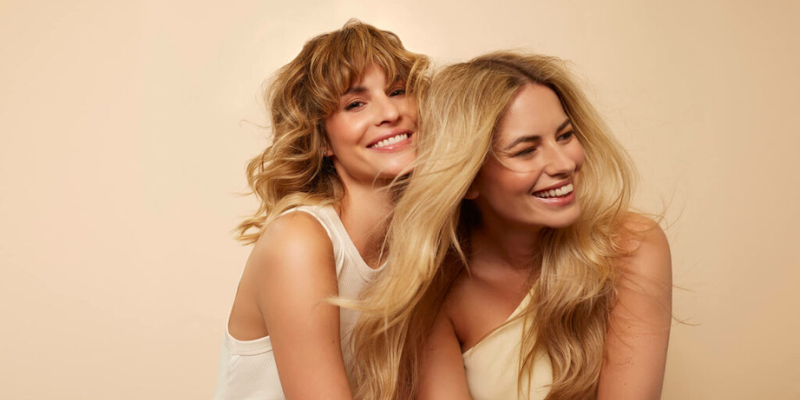
Tips and tricks you need to know to keep your hair healthy in that summer heat
Start with a summer trim
It is important to give your hair a head start for summer. Visiting your salon and getting rid of those split ends will keep your hair healthy and easy to maintain in those hot summer months.
Mask the Mane
One of the obvious and simple answers to protect your hair from the sun is wearing a hat or a scarf. Wearing a hat or a scarf act as a physical barrier to protect from those harsh UV rays!
UV protection
The first thing you do if you know you are going to be spending a day in the sun is lather up your sun cream so why not use the same protection for your hair. UV hair protectants come in all shapes and sizes, from gel to powder. Research the best product to protect your locks!
Hydration
This is a tip you really shouldn’t ignore. You could be doing everything right to keep your tresses intact but, without correct hydration, your hair will start to show signs of stress. Drinking water will not only provide hydration for your body but to your hair strands too!
Keep away from heat styling tools
With the sun already scorching your strands, using straighteners, curling irons or hair dryers will add to the heat damage. Try using more natural methods of styling your hair in the summertime. Air drying and braids will be your best friend.
Washing your hair
It is likely that you will be washing your hair more frequently to help combat the dirt and sweat.
However, beware of the fact that overly washing and shampooing your hair will strip any natural oils, therefore further drying your hair out!
Try washing your hair 2-3 times a week and switching out your shampoo and conditioner routine for a more moisturising option. This will help with locking in any moisture in these drying months.
A pro tip from us this summer is to rinse your hair with cold water after you wash your hair for maximum shine. This is because it will close the hair cuticle and allow the hair to reflect more light.
Treatments
Hair masks and leave-in conditioners will help you with adding that extra bit of moisture. Using moisturising treatments will add an extra layer of protection from those UV rays, making it harder for the sun to damage your hair.
This tip is key if you are in and out of the water! Fully saturating your hair before diving into the pool will lock in that moisture it needs after sun exposure. Note that already wet hair won’t absorb as much saltwater or chlorine chemicals.
Fight the frizz
In the heat and humidity, frizzy hair will be your worst enemy. Keeping your hair healthy and well maintained will help keep your frizz to a minimum. Keep your eye out for shampoos and conditioners with two ingredients: amino-silicones, and cationic surfactants, these two ingredients will help neutralise your hair and prevent the humidity from winning this round!
If the frizz is getting the best of you this summer, here at NOCO we offer Phrizzy-o-therapy treatment to help combat the humidity.
Colour care
Coloured hair is already tricky to maintain, let alone adding those summer elements into the mix. If you have coloured hair, exposure to the sun can have many negative effects on your tresses.
Chlorine chemicals can strip out the colour your hair is dyed and often turn the dye brassy or faded. Ensure you are using colour preserving hair care products during the hot summer months.
Dyed hair is a lot more prone to dryness as the strands are already stripped of natural oils more than undyed hair. Using hydrating products is your only answer at this time of year; don’t let your hair damage ruin your time in the sun.
There you have it …
Understanding the importance of hair care is vital during these summer months! Stick to our useful haircare tips for summer and help protect your hair.
Here at NOCO, we are here to help you with any hair care needs, whether you are wanting your start of summer trim or a deep conditioning treatment to help bring back your shine.
Contact us today to book this summer!
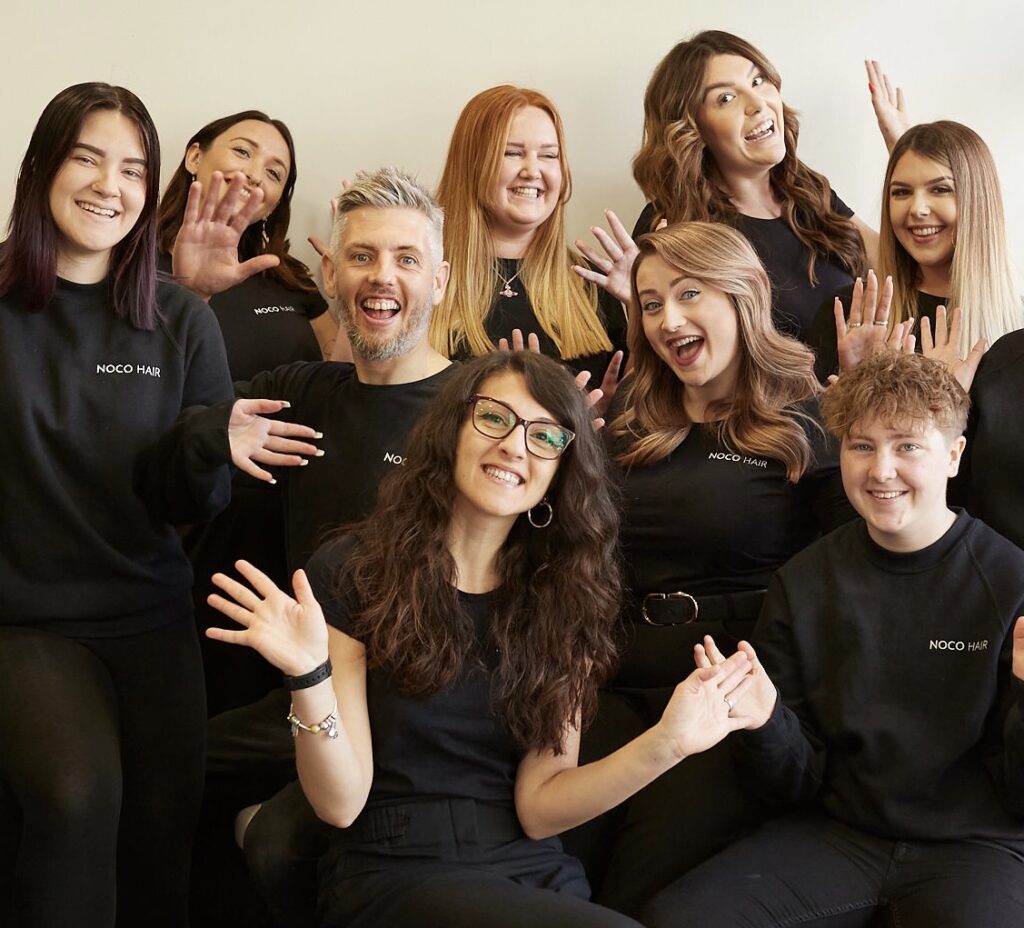
Over the last year, we’ve loved becoming a part of the Wells community.
We’ve had the pleasure of making hundreds of our guests feel amazing, hosted unforgettable events, and created some out-of-this-world looks.
However, all good things must come to an end.
We can now officially announce that we’ve made the decision to move out of our Wells Hair and Beauty Salon and will no longer be offering NOCO services there.
This was a difficult choice, since we’ve met so many amazing new clients we’d love to continue to serve. However, we’ve come across some difficulties concerning the salon space and feel it’s ultimately the right decision for the business.
We’re working on securing a fantastic new building to transform into our next NOCO location. We can’t confirm exactly where it is yet but we’re all very excited about this next step in our journey, so watch this space!
In the meantime, you can still find us and all of our hair services at our flagship salon in Clifton.
See you soon,
Noel, Corey, and the NOCO Team
Whether you trusted your hair to the wrong stylist or an attempt at home colouring went sideways, a dye mishap can feel like a nightmare. But no hair colour disaster is completely unfixable in the right hands. The first step is understanding what actually went wrong.
Colouring hair is a more delicate process than the box dye adverts suggest, particularly when bleach is involved. Here is what we see most often and what can be done about each one.
Brassiness and bad blonde
Blonde is one of the most popular colour results and one of the easiest to get wrong. Too much lift in one direction can leave you with green-grey ashy tones, orange brassiness or a yellow that reads more Barbie than beachy.
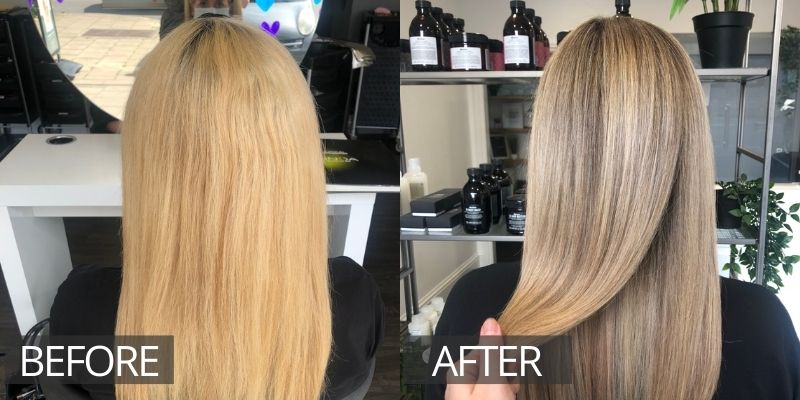
Colour correction work at NOCO Hair Bristol.
Hot roots
Hot roots appear when the hair at the root develops differently from the rest, creating a two-tone effect that looks unintentional. It happens most often when previously processed hair reacts differently to fresh colour, or when the heat from the scalp causes the dye at the root to develop faster and lift higher than the lengths.
A small amount of anti-brass or cool toner applied to the roots can help at home. In a salon, a colourist can correct hot roots using a slightly deeper shade at the root to balance the overall result. For future colour, applying the dye to roots last, after coating the lengths, reduces the risk of this happening again.
Colour that has gone too dark or intense
Left colour on too long? The first response is to wash immediately, several times if needed. A clarifying shampoo strips colour faster than a regular shampoo. Follow immediately with a deep conditioning treatment as clarifying shampoo is harsh on the hair structure.
From there, a stylist can advise the best route. In some cases the dye can be removed or lifted. In others, encouraging it to fade naturally over a few weeks while protecting the hair is the better option. Highlights or balayage can also be used to break up the intensity and lighten the overall effect without a full removal process.
Patchy or uneven coverage
Patchy colour coverage is one of the most common results of home dye jobs and can also happen with inexperienced stylists. The causes range from incorrectly mixed product to uneven application, damaged hair that absorbs colour inconsistently, or missed sections.
A professional can identify exactly what caused the patchiness and correct it using a combination of targeted re-colouring, toner, gloss treatments or condition work depending on the root cause. Colour often needs more than one pass to build depth evenly, in the same way that painting a wall benefits from an undercoat before the finish coat.
Stripey or chunky highlights
Bold, visible streaks rather than blended highlights usually happen when sections placed in foil are too thick. The result lacks the dimension and movement that makes highlights look natural.
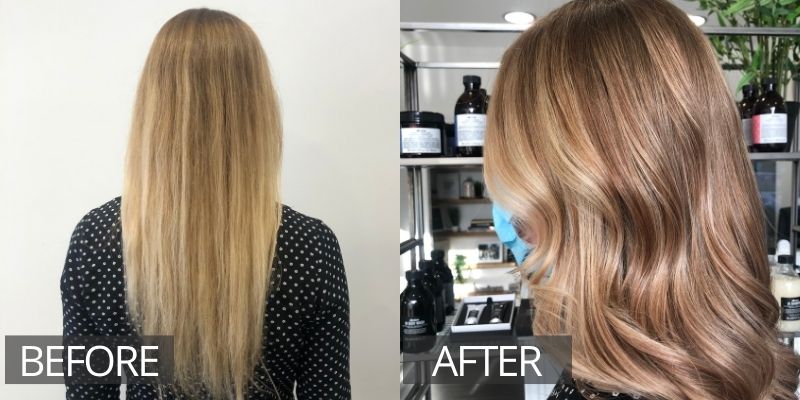
Balayage used to soften and blend overly chunky highlight work at NOCO Hair Bristol.
The two most effective salon fixes are blending the base colour back through to reduce the contrast between highlighted and unhighlighted sections, or using balayage to hand-paint colour in a way that disguises the foil sections and creates a more gradual, natural result.
Hair dye on skin
Staining around the hairline, neck and ears is extremely common. At the salon we use a professional stain remover. At home, milk on cotton wool works surprisingly well. Regular soap and water clears most fresh stains. For anything more stubborn, baby oil, a gentle body scrub or a small amount of rubbing alcohol applied lightly without scrubbing will usually clear it.
Prevention is more effective than removal. Always use gloves when colouring at home, wipe any drips immediately before they set, and apply a barrier of moisturiser or Vaseline around the hairline before you start.
Damaged hair after colouring
Bleach and permanent dyes work by lifting the outer protective layer of the hair shaft. This is necessary for the colour to penetrate, but it leaves the hair more vulnerable to breakage, frizz, dryness and heat damage until that outer layer recovers.
We’re so happy and proud of the team to announce that we’ve been chosen as finalists for not one but TWO awards at The Salon Business Awards this year! #SBAWARDS.
Not only that, but we’re up for Salon of the Year at the British Hairdressing Business Awards.

Salon Team of the Year
Getting your hair done is more than just about the cut or colour (although it’s definitely an important part)!
It’s also an experience, a time to unwind and let yourself be pampered like you deserve.
Our team are dedicated to you – from complimentary drinks, head massages and a chance to talk (or not)! We hire based not just on skill, but making sure we hold the same core values – you.
Colour Salon of the Year
We know that changing your colour or even getting your roots done can be a risk and so disappointing when things don’t turn out how you hoped.
So we’re thrilled that our hard work and dedication to the craft has been recognised and we’re up for colour salon of the year!
There’s no better feeling or confidence booster than a fresh colouring, so book your appointment today.
We’re looking forward to the award ceremony on the 13th of June.
Salon of the Year 2
After being nominated for new salon of the year in 2021, we’re thrilled to announce that we’re a finalist for the second Salon of the Year Category in 2022!
Winners will be announced at a Westminster Bridge ceremony in July, and we can’t wait to mix with the best in the business once again.
We couldn’t have done it without our fabulous and loyal customers, so thank you for being part of the NOCO family.