April 2023
Noel Halligan
NOCO Hair, Bristol
Salon Life
BBC
Salon Life · Bristol · NOCO Hair
NOCO Salon Transformed by BBC Interior Design Masters
We said no three times. Then we said yes. Here is what happened and why it was one of the best decisions we ever made.
BBC
Japandi
Bristol
We always say clients arrive in a taxi and leave in a limo. That idea — of taking someone somewhere better than where they started — has been at the heart of NOCO from the beginning. So when BBC’s Interior Design Masters came calling and asked to transform our salon on Whiteladies Road, eventually saying yes felt right. Getting to that yes was the harder part.
The road to yes
We opened NOCO Hair in 2018. Within ten months, we won Best New Independent Salon in the UK at the British Hairdressing Business Awards. Ten months. It felt like the beginning of something significant.
Three months later, lockdown hit. What followed was one of the hardest periods of our business life. No revenue, an uncertain future, and a team we were determined to protect. We came through it, but it took everything we had.
2018
NOCO Hair opens on Whiteladies Road, Bristol
A premium, consultation-led salon built on the principle of diagnosing before designing.
2019
Best New Independent Salon in the UK
British Hairdressing Business Awards. Ten months after opening.
2020
Covid lockdown
Three months after the award, the entire industry shut down. What followed was two years of uncertainty.
2022
BBC Interior Design Masters comes calling
They asked three times. We said no three times. They wanted us to close on a Friday and Saturday with no money in the bank.
2023
The transformation airs on BBC One
Delayed three months by the Qatar World Cup, but when it aired, the response was everything.
Why we kept saying no
They needed us to close on a Friday and Saturday for two full days of filming. At that point in the business, after everything lockdown had taken from us, closing on our two busiest days felt impossible. They came back three times. Each time we said no. Eventually the conversation shifted and we found a way to make it work.
The designer
Being part of the semi-final meant the standard was high. We found out we were working with Jack Kinsey, a Fine Art graduate who had produced some of the most memorable spaces in the series — a stunning 1930s beach hut for the NHS, a maximalist Scottish hotel room. We were in good hands.
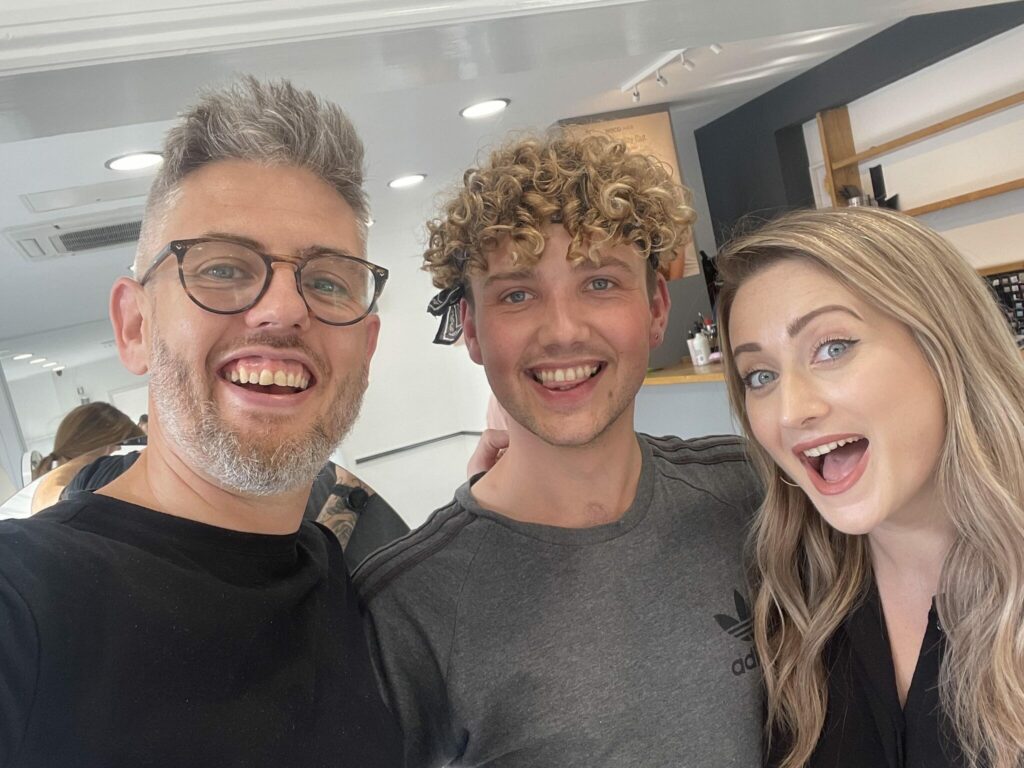
Noel and Corey with Jack Kinsey at the start of the process.
The brief — and what Jack did with it
The conversation Jack had with us at the start was not dissimilar to the conversation we have with every client. He sat down and asked what we wanted the experience to feel like. What was the client journey? What did we want people to feel when they walked in?
We had one word: Scandi. That was genuinely all I knew about interior design. We wanted something clean, calm, natural. Something that felt Zen inside a bustling salon.
Jack took that brief and went somewhere more interesting. He combined the Scandinavian influence with a Japanese aesthetic and called it Japandi. Not what we were expecting. Completely right.
“I just had the best time making over this incredible hair salon in Bristol. Thank you to NOCO Hair for being so open to ideas and letting me free-style your incredible space.”
Jack Kinsey · Interior Designer, BBC Interior Design Masters
The result
Over two days, Jack and a team of builders and decorators transformed every part of the salon, with particular focus on the Welcome Area and the Relaxation Zone. The tradespeople were exceptional. They stayed behind for four additional days after filming to make the salon client-ready before it was TV-ready.
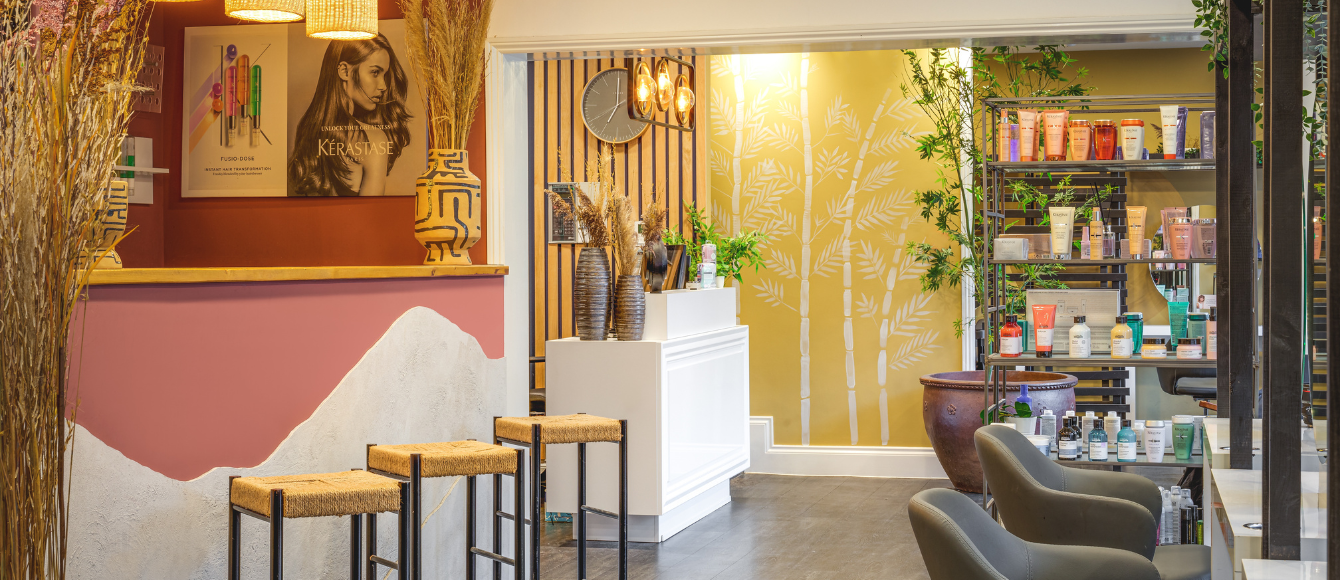
What they left us with: yellows, navy and burnt orange introduced throughout. Live plants bringing the space to life. Rattan lamps and a sunset-coloured mural in the welcome area. An abstract mountain effect at the entrance. And in the Relaxation Zone — a ceiling-to-wall bamboo and tree mural that transforms the wash area into something genuinely meditative.
The salon after the Japandi transformation. Left: the new colour palette throughout. Right: the welcome area with the sunset mural.
The reception and the Relaxation Zone. The bamboo ceiling mural is genuinely something to experience in person.
The judges and the reaction
The judges were Michelle Ogundehin and Mary Portas. Mary awarded Jack first place in the grand finale for a design she called upmarket and chic. The social response when the episode aired was immediate.
“Just wow. This space is so luscious.”
@ryelliot, former contestant
“That reception is stunning. Very much here for the Japandi aesthetic.”
@bananasnickers
“Knockout. My favourite room of yours and perhaps of any in the whole series.”
@thewhitehome, former contestant

With Alan Carr during filming. Not a bad day at the office.
What it means now
The episode was delayed three months by the Qatar World Cup. We took a punt, sat on it, and waited. When it aired, it was everything. The salon today is essentially the same as Jack left it. We have made some small adjustments, but the core of what he created is still there every day.
More than the design, what the experience gave us was a clearer sense of what NOCO stands for. The brief Jack responded to was the same brief we give every client: tell me what you want it to feel like. He heard Scandi and made Japandi. We hear one thing and design something better. That is the job.
N
Written by
Noel Halligan
Co-founder and Senior Stylist · NOCO Hair Bristol
Noel Halligan is a Bristol-based hairstylist and salon educator with over 20 years of experience in colour and cutting. As co-founder of NOCO Hair, he has developed a consultation led approach to hairdressing that prioritises diagnosis before design. The Interior Design Masters experience confirmed everything he believed about how great results start.
Come and see it for yourself.
The salon is on Whiteladies Road in Clifton, Bristol. Book a consultation and experience the space that Jack built.
Book Your Appointment
March 2026
Noel Halligan
NOCO Hair, Bristol
Colour Advice
Consultation
Colour Advice · Bristol · NOCO Hair
What Hair Colour Will Actually Suit Me?
The answer starts with understanding your natural base and your eye colour. There is a framework for this and it changes everything.
Colour
Blender
Contrastor
Choosing a hair colour that actually suits you is not about following trends. It is about understanding two things: your natural base colour and your eye colour. Once you know those, the right direction becomes much clearer and the wrong ones are easy to avoid.
We use a simple framework at NOCO to have this conversation with clients. It cuts through the noise and gets us to the right answer quickly. Are you a blender or a contrastor?
Blenders and contrastors
These are the two natural colour types we work with. Understanding which one you are is the starting point for every colour conversation.
Type one
The Blender
Dark eyes and dark natural hair. Your colouring is harmonious and consistent. Everything naturally blends together. Going dramatically lighter fights against your natural palette and tends to look disconnected rather than intentional.
Type two
The Contrastor
Light eyes with a darker natural base, or fair hair and light eyes. Your colouring already has natural contrast built into it. This gives you more flexibility with colour direction and is the reason some people can carry significant changes without looking wrong.
The rule of thumb we use at NOCO
As a starting point, do not go more than one shade lighter than your natural base. For those with lighter features, two shades can work. The further you push beyond that, the more disconnected the result will look from the rest of your colouring.
Why eye colour matters more than people think
Eye colour is one of the most reliable indicators of what will work on your hair. Light eyes create natural contrast against darker features. That contrast gives the face a lift and means the hair can carry lighter tones without looking flat or washed out.
I went grey at around fifteen years old. Dark natural base, light eyes. For years I coloured my hair. But when I eventually had more salt than pepper, something clicked. The light eyes balanced the lighter hair. It worked because the contrast was natural, not forced. That is exactly what we are looking for when we sit down with a client.

Natural balayage at NOCO Hair Bristol. Colour placed to work with, not against, the client’s natural base.
What happens when you push too far
When a blender, someone with dark hair and dark eyes, goes dramatically lighter, the result tends to look disconnected. The hair and the face stop speaking to each other. The colour draws attention to itself rather than enhancing the person wearing it.
The way around this, if a client with a darker base wants lighter tones, is to keep some depth around the hairline and face. Darker pieces framing the face maintain the natural connection between the hair colour and the person’s features. Lighter pieces can then come through the lengths and ends without the whole result looking wrong.
Direction rules by colour type
Dark hair, dark eyes (blender). Stay within one shade of your natural base for a seamless result. If you want lighter tones, keep darker pieces around the face and hairline. Balayage through the lengths is the most flattering approach.
Dark base, light eyes (contrastor). You have more range. The light eyes carry the contrast and stop lighter hair from looking disconnected. Highlights and balayage both work well. Going significantly lighter is achievable and can look very natural.
Fair hair, light eyes. Do not go more than two shades darker than your natural base. Going darker with light features tends to look heavy and draws the colour away from the face rather than toward it.
Going grey. Whether to blend, enhance or embrace depends entirely on your natural contrast. Light-eyed clients with a darker natural base often carry grey beautifully. For clients who want to disguise it, working colour between highlights creates a glossy, natural-looking result without full coverage.
“The best colour does not shout. It makes the person wearing it look like the best version of themselves. That starts with understanding what their natural colouring is already doing.”
Noel Halligan · NOCO Hair Bristol
The hair colour level scale
Hair colour is measured on a scale of 1 to 10. Level 1 is the deepest black. Level 10 is the lightest blonde. Understanding where you naturally sit on this scale, and how far a colour direction moves from that point, is the foundation of every colour decision we make.
LEVEL SCALE · 1 TO 10
1
Black
2
Darkest Brown
3
Dark Brown
4
Medium Brown
5
Light Brown
6
Dark Blonde
7
Medium Blonde
8
Light Blonde
9
Very Light Blonde
10
Lightest Blonde
WARM TONES
1W
2W
3W
4W
5W
6W
7W
8W
9W
10W
COOL TONES
1C
2C
3C
4C
5C
6C
7C
8C
9C
10C
Real colour results at NOCO
Every result below started with understanding the client’s natural base and eye colour first. The colour was designed to work with their colouring, not against it.
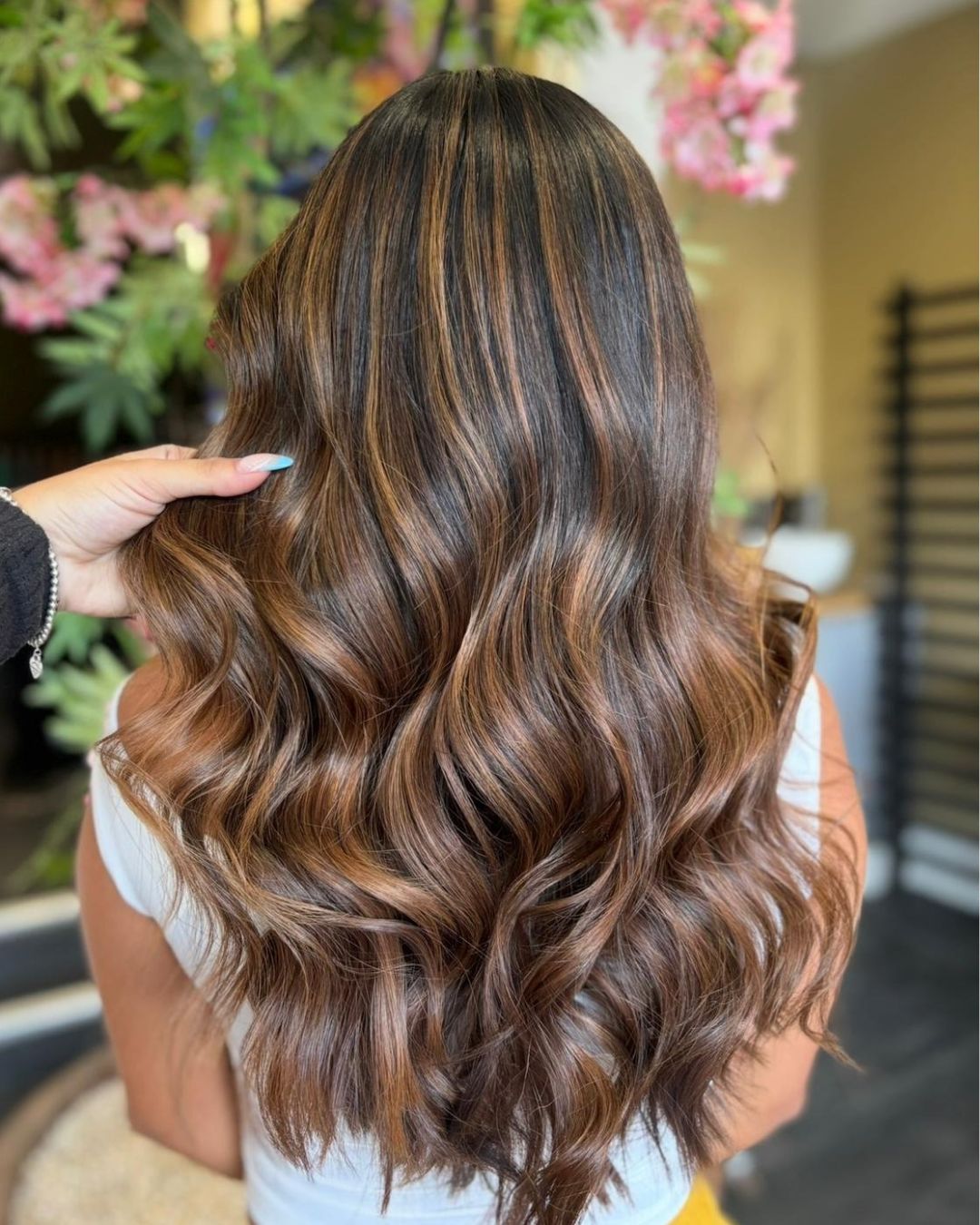
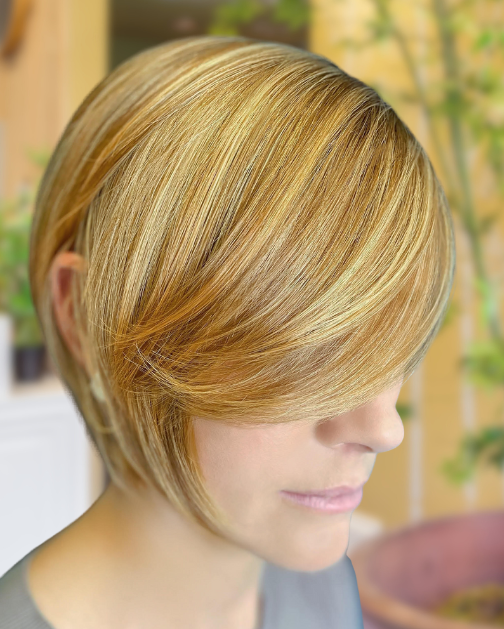
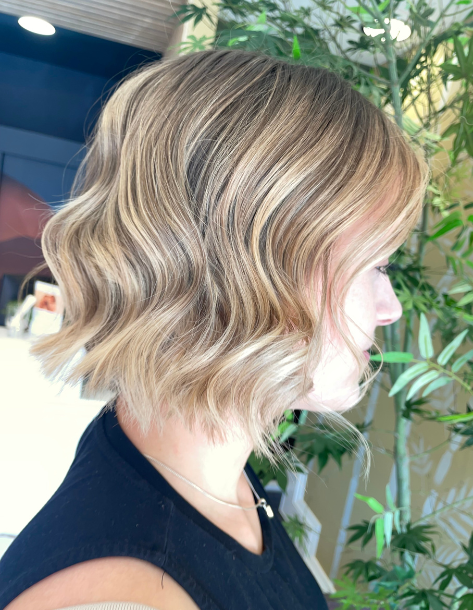
Brunette balayage · Levels 4 to 6 warm
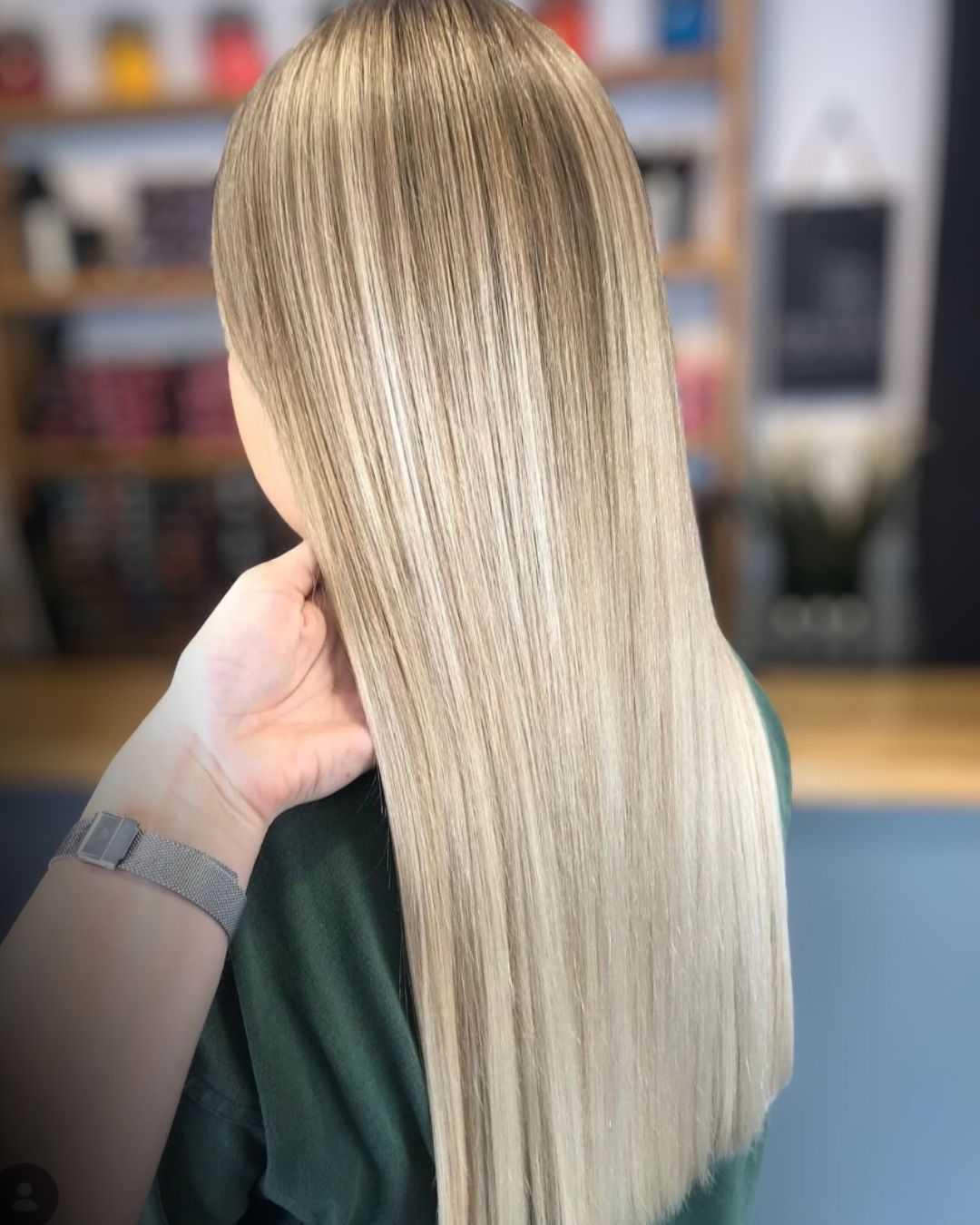
Blonde highlights · Levels 7 to 9 cool
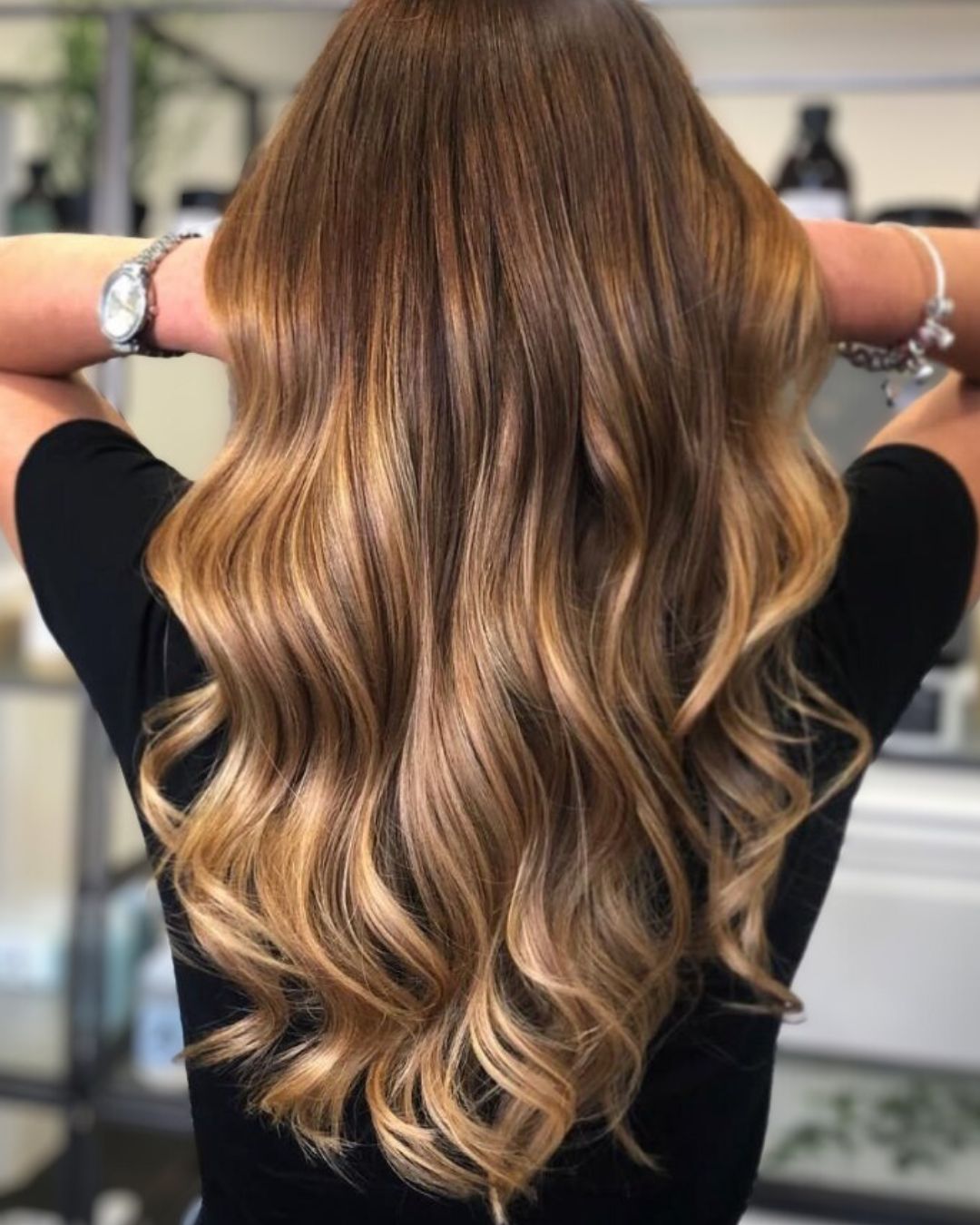
Copper balayage · Levels 5 to 7 warm
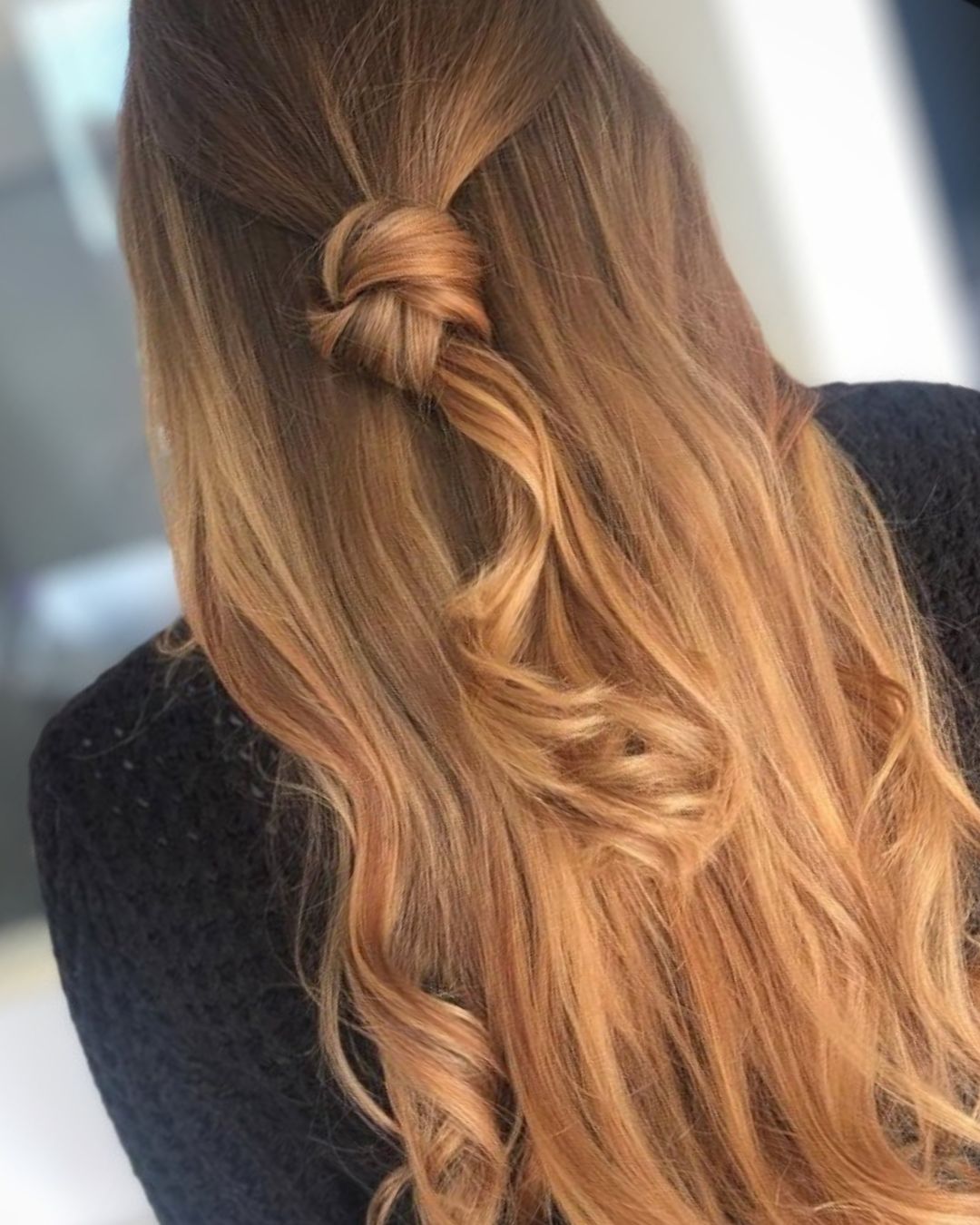
Soft blend · Levels 6 to 8 natural
What we look at in a consultation
Before we recommend any colour direction, we assess your natural base shade, your eye colour, your skin tone and your colour history. We look at what your hair can safely achieve and what would actually suit you rather than just what is popular right now.
The consultation is where colour goes right. Skipping it is where colour goes wrong. A colour that suits someone else’s colouring is not automatically right for yours. The diagnosis has to come before the design.
N
Written by
Noel Halligan
Co-founder and Senior Stylist · NOCO Hair Bristol
Noel Halligan is a Bristol-based hairstylist and salon educator with over 20 years of experience in colour and cutting. As co-founder of NOCO Hair, he has developed a consultation led approach to hairdressing that prioritises diagnosis before design. He works with clients on complex colour transformations and trains stylists through the NOCO Academy.
Not sure what colour will suit you?
Start with a consultation. We will look at your natural base, your eye colour and what your hair can achieve, then design something that works for you specifically.
Book a Colour Consultation
November 2022
Noel Halligan
NOCO Hair, Bristol
Haircuts
Hair Care
Hair Care · Bristol · NOCO Hair
How Often Should I Get My Hair Cut?
There is no single answer. It depends on your length, texture and how much your hair goes through. Here is how to work it out for your hair specifically.
Haircuts
Hair Health
Timing
How often you should get your hair cut depends on your hair length, texture, how much heat or chemical processing it goes through, and what you are trying to achieve. For most people, somewhere between every six and twelve weeks is the right range, but the right answer for you sits within that depending on your specific situation.
The most important reason to keep up with regular cuts is not style. It is health. Split ends left unchecked travel up the hair shaft, causing frizz, breakage and dullness that no product can fully reverse.
Why haircut timing matters
Hair grows roughly half an inch a month. For short or layered styles, that growth quickly changes the shape and balance of the cut. For longer hair, the ends are the oldest and most vulnerable part of the hair shaft, and they accumulate damage over time from heat, styling and environmental exposure.
A regular cut removes that damage before it spreads. It also keeps your style looking intentional rather than grown out.
Signs it is already time
Coarse texture, difficulty styling as usual, visible split ends, ends that appear lighter than the rest of the hair, increased frizz, or hair that tangles more than usual are all signals that a cut is overdue.
How often by hair type and length
Cut frequency guide
Very short or cropped styles. Every four to six weeks. An extra inch on a pixie cut or tight crop changes the shape significantly. Dead ends around the face are also immediately visible at this length.
Layered hair. Every six weeks. Layers grow out quickly and lose their framing quality. The puffed effect of damaged ends is also more obvious on layered lengths.
Chemically treated or frequently heat styled hair. Every six to eight weeks. Processed hair is more prone to split ends appearing sooner after a cut.
Mid-length to long straight or wavy hair. Every eight to twelve weeks. The longer the hair, the further split ends can travel before they become visible, but this also means the damage is building for longer between cuts.
Natural curly or coily hair. Around twelve weeks as a general guide. Curly hair tends to grow more slowly and the curl pattern disguises split ends for longer. Thinner curls or chemically relaxed hair may need to come in closer to eight weeks.
Thin hair. Every six to eight weeks. Thin hair breaks and splits more easily. Regular trims also remove dead weight from the ends, making the hair appear fuller and reducing the risk of further breakage.
Precision cuts maintained regularly always look intentional.
What about fringes?
Most people trim their fringe roughly every four weeks, or whenever it reaches a length that bothers them. Because the fringe sits directly in the line of sight, it is easier to spot when it needs attention than the ends of the rest of your hair. Many clients manage this themselves between appointments, which is perfectly fine with the right scissors and a steady hand.
What if you are growing your hair out?
Trimming while growing your hair is not counterproductive. It feels that way, but leaving split ends to travel up the shaft costs you more length than the trim does. Even when growing, having a small amount taken off every three months keeps the ends healthy and means the length you are growing is retained rather than breaking off.
Ask your stylist specifically to maintain the length while removing damage. A good stylist will take the minimum necessary to keep the ends healthy without sacrificing length unnecessarily.
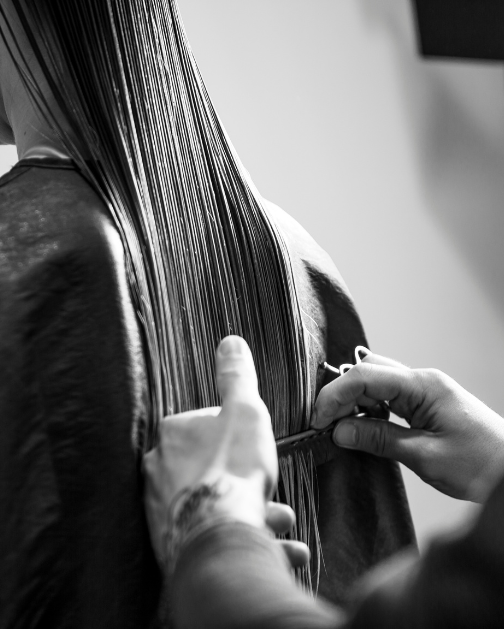
A precise cut maintained regularly always looks intentional.
“The right cut frequency is the one that keeps your hair looking like it was meant to look. For most people that is closer than they think.”
Noel Halligan · NOCO Hair Bristol
N
Written by
Noel Halligan
Co-founder and Senior Stylist · NOCO Hair Bristol
Noel Halligan is a Bristol-based hairstylist and salon educator with over 20 years of experience in colour and cutting. As co-founder of NOCO Hair, he has developed a consultation led approach to hairdressing that prioritises diagnosis before design. He works with clients on complex colour transformations and trains stylists through the NOCO Academy.
Not sure when you are due?
Come in and we will assess your ends, tell you what your hair needs and book you on a schedule that works for your hair type and lifestyle.
Book Your Appointment
March 2022
Noel Halligan
NOCO Hair, Bristol
Curly Hair
Hair Care
Hair Care · Bristol · NOCO Hair
5 Hair Care Tips for Curls
Curly hair needs a different approach. These five things make the most consistent difference.
Curly Hair
Frizz
Moisture
Curly hair is not difficult to look after. It is just different. The routines and products that work perfectly on straight hair can actively damage curly hair. Once you understand why, getting consistently good results becomes a lot more straightforward.
Every curl type behaves slightly differently, so some trial and error is part of the process. But these five principles apply across the board.
1. Get into a washing routine that suits curls
Natural oils produced by the scalp are essential for healthy, hydrated hair. The problem is that curly and textured hair makes it much harder for these oils to travel down the hair shaft due to its shape. This means curly hair dries out faster and is more sensitive to over-washing than straight hair.
Washing once a week or even less is the general recommendation for curly hair. When you do shampoo, focus on the scalp rather than working the shampoo through the lengths. The ends will get cleaned when you rinse. Shampooing the full length too frequently strips the moisture that curly hair needs most.

Healthy curl definition comes from consistent moisture, not product volume.
The sebum problem
Straight hair is easily coated in natural oils. Curly hair, because of its shape, makes this much harder. This is why curly hair gets drier faster and why washing frequency needs to be lower than for straight hair. It is not a hygiene issue. It is physics.
2. Moisturise consistently
Whatever type of curl you have, whether wavy, loose, tight or coiled, curly hair is naturally prone to dryness, frizz and breakage. The solution is not more product. It is the right product used consistently.
What curly hair actually needs
Leave-in conditioner. Applied to wet hair once or twice a week, this provides a sustained moisture boost and helps keep curl definition between washes.
Moisturising oils. Applied to dry hair only. On wet hair they sit on the surface and do not absorb. On dry hair they seal in moisture and keep frizzy ends at bay.
Protein treatments. Help keep curls defined and strengthen the hair structure. Particularly important if you colour or heat style regularly. Protein works alongside moisture, not instead of it.
Nutrition also plays a role. Protein, iron and vitamins that support hair growth and condition come from what you eat as much as what you apply. Read more in our guide on how diet affects hair health.
3. Choose the right products
The curly hair product market is overwhelming. Most of it is not worth the price. A few simple rules cut through the noise.
What to look for and what to avoid
Avoid sulphates and silicones. Sulphates strip natural oils aggressively. Silicones coat the hair and build up over time, blocking moisture from getting in. Look for products labelled sulphate and silicone free.
Choose lightweight formulas. Curly hair needs several different products for different purposes. If each one is heavy, the combined weight pulls curls down and makes the hair look greasy faster, leading to more washing and more dryness.
Match the product to your curl type. Tight coils need different formulas from loose waves. Check the description before buying and read reviews from people with a similar curl pattern to yours.
4. Style correctly
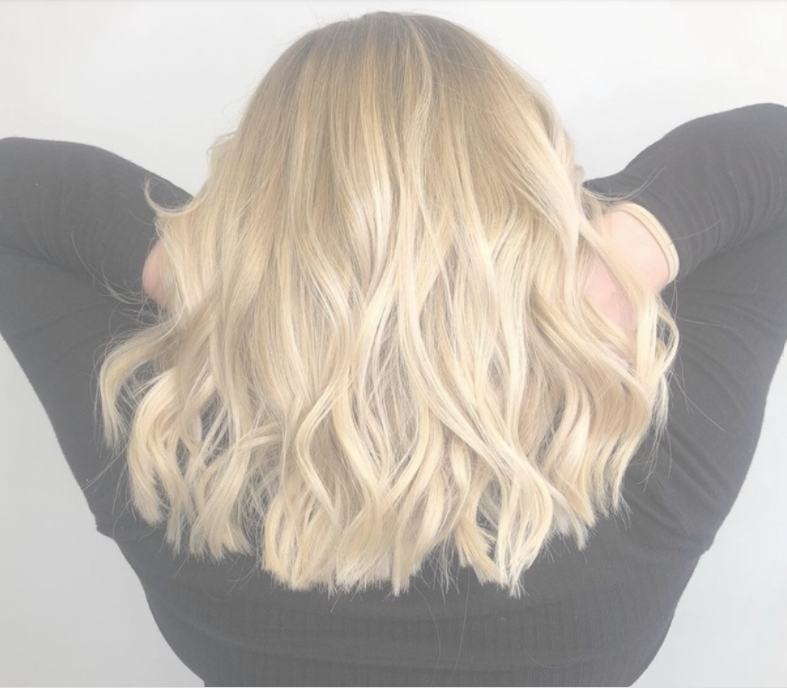
Short curly hair styled correctly at NOCO Hair Bristol.
Styling rules that make a real difference
Brush only when wet. Brushing dry curly hair causes frizz that no product can fix. Always detangle when wet, working from the ends upward with a wide-tooth comb.
Apply products immediately after washing. Once the hair starts to dry without product, the curl pattern sets. Products applied too late sit on top of the hair rather than absorbing, leaving a crunchy texture.
Use a diffuser when drying. A standard hairdryer concentrates heat that disrupts curl pattern and causes frizz. A diffuser spreads the airflow and allows curls to dry more naturally. Tip the head upside down to add volume at the root.
Scrunch, do not rub. Rubbing separates curls and causes breakage. Scrunching encourages curl definition, adds bounce and does not disrupt the curl pattern.
“Curly hair is not high maintenance. It just needs the right routine. Once you have that, it looks after itself.”
Noel Halligan · NOCO Hair Bristol
5. Protect your curls overnight and day to day
Protection habits that compound over time
Swap cotton pillowcases for silk. Cotton absorbs your hair’s natural oils and creates friction that causes frizz and breakage overnight. Silk reduces friction significantly and does not strip moisture.
Try the pineapple method. If silk bedding is not practical, gathering the hair loosely at the top of the head before sleep protects the curl pattern and reduces frizz without the need for restyling in the morning.
Use a microfibre towel or a cotton t-shirt. Regular cotton towels absorb moisture aggressively and create friction. A microfibre towel or a soft t-shirt used to gently scrunch out excess water is significantly gentler on curl definition.
Switch to no-crease hair bands. Standard elastics cause breakage and leave a crimp in the curl pattern. Spiral no-crease bands or scrunchies are much gentler and do not leave a mark.
N
Written by
Noel Halligan
Co-founder and Senior Stylist · NOCO Hair Bristol
Noel Halligan is a Bristol-based hairstylist and salon educator with over 20 years of experience in colour and cutting. As co-founder of NOCO Hair, he has developed a consultation led approach to hairdressing that prioritises diagnosis before design. He works with clients on complex colour transformations and trains stylists through the NOCO Academy.
Need a curly hair specialist in Bristol?
We cut and style all types of curly hair at NOCO. Book a consultation and we will assess your curl type, your current routine and give you a clear plan.
Book a Curl Consultation
May 2024
Noel Halligan
NOCO Hair, Bristol
Wellbeing
The NOCO Experience
The NOCO Experience · Bristol · NOCO Hair
The Benefits of a Head Massage
Every NOCO visit includes a scalp massage. Not just because it feels good. The science behind it is genuinely interesting.
Scalp Health
Wellbeing
Hair Growth
Every visit to NOCO includes a scalp massage as standard. We do it because it feels good, yes. But the reasons go deeper than that. Head massages have a genuine and well-documented effect on physical and mental wellbeing that most people do not fully appreciate.
The history of head massage runs through European cave paintings, ancient Chinese texts and traditional Indian medicine. People have always understood intuitively that this kind of touch does something. Modern science has spent the last few decades catching up and confirming why.
What a head massage actually does
The real benefits
Supports hair growth. Several scientific studies from Japan and the US have indicated that regular scalp massage can increase hair thickness over time. The mechanism is thought to involve increased blood circulation to the scalp and stimulation of the dermal papilla cells, which regulate hair nutrition and growth. More research is ongoing, but the early results are encouraging.
Lowers blood pressure. Moving into a relaxed state reduces heart rate and eases muscle tension, both of which contribute to lower blood pressure. The pressure from a massage also pushes blood through congested areas, allowing fresh, oxygen-rich blood to flow in.
Balances the nervous system. Massage has been shown to activate the parasympathetic nervous system, which is the body’s relaxation response. Over time, regular massage is thought to strengthen this system, making it easier to shift into a calm state day to day.
Relieves headaches. Particularly effective for tension headaches and migraines. Increased blood flow to the scalp soothes symptoms by improving oxygen delivery and releasing built-up muscle tension.
Improves mood. Massage stimulates the release of serotonin, endorphins and oxytocin. These are not just relaxing in the moment. Studies have shown that regular massage can significantly reduce the symptoms of anxiety and depression over time.
Why we include it as standard
Putting a client into rest mode before we work on their hair genuinely helps the result. A relaxed scalp responds better. A relaxed client communicates better. The head massage is not an extra. It is part of how we work.
The nervous system piece
Your nervous system has two branches. The sympathetic, which triggers the fight or flight response, and the parasympathetic, which controls rest and recovery. These two are designed to balance each other. The problem is they were built to handle short, resolvable threats, not the kind of low-level ongoing stress that most people carry every day.
When stress remains unresolved, the sympathetic system stays activated longer than it should. Stress hormones continue to circulate. This is linked to high blood pressure, reduced cognitive function and a range of other problems over time.
Massage is one of the most effective ways to manually switch this off. The touch activates the parasympathetic response and encourages the body to release the hormones it needs to recover.
“It is good for your hair, good for your body and good for your mind. That is why it is part of every single NOCO visit.”
Noel Halligan · NOCO Hair Bristol
Watch: why the salon experience matters
We worked with the Industry Squad on this short video exploring why a high quality salon experience goes far beyond the haircut itself.
Watch the full video
You are currently viewing a placeholder content from YouTube. To access the actual content, click the button below. Please note that doing so will share data with third-party providers.
More Information
NOCO Hair in collaboration with the Industry Squad on the real value of a premium salon experience.
Can you do it at home?
Yes, and it is worth doing. A simple self-massage using your fingertips in slow circular motions across the scalp for a few minutes a day can make a noticeable difference to scalp health over time. Some people use a few drops of oil to help with glide. Others use a silicone scalp brush or an electric massager.
The professional version will always go deeper because a trained pair of hands can feel tension and respond to it in real time. But a consistent home routine between visits compounds the benefits significantly.
N
Written by
Noel Halligan
Co-founder and Senior Stylist · NOCO Hair Bristol
Noel Halligan is a Bristol-based hairstylist and salon educator with over 20 years of experience in colour and cutting. As co-founder of NOCO Hair, he has developed a consultation led approach to hairdressing that prioritises diagnosis before design. He works with clients on complex colour transformations and trains stylists through the NOCO Academy.
Experience it for yourself.
Every NOCO visit includes a shiatsu head massage at our fully reclining wash zone. Book your appointment and feel the difference.
Book Your Appointment
March 2026
Noel Halligan
NOCO Hair, Bristol
Hair Health
Nutrition
Hair Health · Bristol · NOCO Hair
Does What I Eat Actually Affect My Hair?
We are asked this in the salon more than you might think. The short answer is yes. Here is what actually matters.
Hair Growth
Nutrition
Hair Health
Does diet affect hair growth? Yes, it does. Hair condition is one of the first places your body shows a nutritional gap. Not dramatically, not overnight, but over time the quality, density and growth rate of your hair reflects what you are putting into your body.
We talk about this in the salon regularly. Someone comes in frustrated that their hair feels thinner, grows more slowly, or keeps breaking. They have tried products, changed their routine, and nothing seems to stick. Often the answer is not on the shelf. It is on the plate.
Why food matters for hair growth
Hair is not essential tissue. The body does not prioritise it the way it prioritises your heart or your organs. When your nutrition is depleted or unbalanced, hair is one of the first things to suffer because the body redirects resources to what matters most for survival.
This is why crash diets, restrictive eating and sudden changes in nutritional habits can trigger noticeable hair shedding within a few months. The hair you lose today often reflects what was happening in your body two to four months ago.
What we see in the salon
When a client mentions their hair has been shedding more than usual, one of the first things we ask about is what has changed in their life or diet over the past three to four months. The answer is often there.
The nutrients that matter most
You do not need a complicated supplement regime. Most people simply need more of what is already available in a balanced diet. These are the nutrients we talk about most in the salon.
Key nutrients for healthy hair
Protein. Hair is almost entirely made of keratin, which is a protein. If your diet is low in protein, your hair will show it. Think eggs, fish, chicken, legumes and dairy.
Iron. One of the most common nutritional causes of hair loss we see, particularly in women. Lean red meat, spinach, lentils and fortified cereals are good sources. Worth getting checked via a blood test if you are concerned.
Vitamin D. Low vitamin D is closely linked to hair thinning. Many people in the UK are deficient, particularly through winter. A simple blood test can confirm whether supplementation would help.
Biotin and B vitamins. B vitamins support the production of red blood cells which carry oxygen and nutrients to the scalp. Found in wholegrains, eggs, almonds and leafy greens.
Zinc. Zinc supports hair tissue growth and repair and keeps the oil glands around the follicle working properly. Found in pumpkin seeds, beef, chickpeas and cashews.
Omega 3 fatty acids. Support scalp health and add natural shine to the hair. Found in oily fish, walnuts, flaxseeds and chia seeds.
What tends to cause problems
Deficiency is one side of it. But we also see clients whose hair suffers because of what they are doing to their diet rather than what they are missing from it.
Yo-yo dieting puts the body under significant stress and hair is often the visible consequence. Cutting out entire food groups, particularly protein or fat, removes the building blocks the hair follicle needs. Juicing phases that replace full meals can look healthy on the outside while quietly depleting the nutrients your scalp depends on.
The body is not designed to process dramatic nutritional swings. Hair, being non-essential tissue, reflects those swings quite clearly.
“Conditioning your hair starts inside the body. What you eat is just as relevant as what you put on it.”
Noel Halligan · NOCO Hair Bristol
What you can do
Start with the basics before reaching for supplements. A varied diet with enough protein, plenty of vegetables and adequate healthy fats covers most of what your hair needs. Specific deficiencies are worth investigating properly through a GP or nutritionist rather than guessing.
If your hair has been noticeably thinner, shedding more or growing more slowly over the past few months, a blood test checking iron, ferritin, vitamin D and thyroid function is a sensible starting point. These are the markers we most commonly see linked to hair changes in the salon.
And remember, the hair you are seeing today is a reflection of what was happening two to four months ago. If you have recently improved your diet, the results will come. They just take a little time to show up.
When diet is only part of the picture
Nutrition is one piece of it. But hair condition is also influenced by stress, hormonal changes, the products you use, heat styling, and the physical condition of your scalp. A proper consultation looks at all of these together rather than treating them as separate problems.
If your hair has been concerning you and a dietary change has not made a difference, it is worth coming in for a proper assessment. We can identify whether the issue is nutritional, structural, scalp related or a combination, and give you a clear plan from there.
N
Written by
Noel Halligan
Co-founder and Senior Stylist · NOCO Hair Bristol
Noel Halligan is a Bristol-based hairstylist and salon educator with over 20 years of experience in colour and cutting. As co-founder of NOCO Hair, he has developed a consultation led approach to hairdressing that prioritises diagnosis before design. He works with clients on complex colour transformations and trains stylists through the NOCO Academy.
Concerned about your hair health?
Come in for a consultation. We will assess your scalp, your hair condition and help you understand what is actually going on before recommending anything.
Book a Consultation
March 2026
Noel Halligan
NOCO Hair, Bristol
Colour
Bleach
Hair Health
Colour Advice · Bristol · NOCO Hair
Will Bleach Damage My Hair?
The honest answer is yes, to some degree. The better question is how much, and how to keep that to a minimum.
Bleach
Blonde Hair
Hair Condition
Bleach will always have some effect on hair structure. That is simply how the chemistry works. The question is not whether bleach causes damage at all, but how much, how it is managed, and whether the hair you have can handle what you are asking it to do.
Most problems with bleach happen either at home or when the condition of the hair is not properly assessed before the service begins. Both are avoidable with the right approach.
What bleach actually does to hair
Bleach works by opening the outer cuticle of the hair shaft and reacting with the melanin inside. This oxidises the pigment, effectively removing the colour. The melanin is not removed from the hair; it is rendered colourless.
Once the natural pigment is lifted, what remains is the underlying pigment of the hair. Darker bases reveal red tones first, then orange, then yellow as they lift higher. A pre-lightener lifts this underlying pigment out. A toner is then used to neutralise the remaining warmth and achieve the finished colour.
Why toners fade
Toners sit on the outside of the hair and fade with washing over time. As they fade, the underlying warmth comes back through. This is why toning shampoos and regular gloss treatments are part of maintaining blonde hair, not optional extras.
Breakage versus hair loss
Bleach does not typically cause hair loss from the follicle. What it causes is breakage, and the two are frequently confused. Hair loss means the follicle is shedding. Breakage means the hair shaft is snapping at some point along its length.
There are two types of structural damage to understand. Porous hair has damage to the cuticle, the outer layer. It feels dry and lacks moisture, usually caused by heat. Sensitised hair has damage to the internal structure, which changes the elasticity. Sensitised hair either snaps immediately when stretched or stretches too far and does not return, like chewing gum. Both need to be identified before any bleach service proceeds.
Signs the hair is not ready for bleach
Stretches and does not return. Indicates sensitised hair with compromised internal structure. Bleaching at this point risks further breakage.
Snaps immediately when stretched. Indicates dry, brittle hair with poor elasticity. Needs protein and moisture work before any chemical service.
Feels rough, dry or porous. The cuticle is open and damaged. Bleach on porous hair lifts unevenly and unpredictably.
Previously over-lightened. Hair that has already been pushed to white or near-white has compromised internal structure. Further bleaching without significant recovery time risks irreversible damage.
Going from dark to blonde
Moving from a dark base to a light blonde in a single session is not possible safely. Each bleach application lifts the hair a certain number of levels depending on the strength used, the development time and the starting condition of the hair. Attempting too much lift in one session risks over-processing, which in serious cases means the hair loses structural integrity entirely.
The right approach is to lift in stages with recovery time between sessions. After the first application, a toner is used to improve the result while the hair recovers. A minimum of two weeks is needed before assessing whether the hair is strong enough to go again. This process takes longer than clients sometimes want, but the alternative is compromised hair that cannot be repaired, only cut off.
“When we treat hair, maintaining its condition is the priority. We do not carry out treatments that cause long-term damage to get a short-term result.”
Noel Halligan · NOCO Hair Bristol
Why home bleach is higher risk
Home bleach products are formulated for maximum lift because they are designed as a one-formula-fits-all solution. They cannot be adjusted for your specific hair condition, history or starting point. A professional mixes a bespoke formula based on your natural colour, previous colour history and current condition, then monitors the development in real time.
The other risk with home bleach is timing. The formula cannot tell you when to stop. Leaving bleach on too long causes accelerated damage and in extreme cases the hair structure can break down completely at the root and ends. At the salon this is prevented by ongoing visual and tactile assessment throughout the development process.
How to maintain bleached hair properly
What bleached hair actually needs
A shampoo and conditioner for chemically treated hair. Standard shampoos can strip colour and moisture. A formula designed for bleached or colour-treated hair protects the cuticle and extends the result.
Toning shampoo once or twice a week. Purple or blue toning shampoo neutralises brassiness as the toner fades. This is standard maintenance for blonde hair, not a treatment for a problem.
Regular protein treatments. Bleach reduces the natural protein in the hair. Bond-building treatments such as Olaplex or a Kérastase masque used weekly help rebuild structural integrity between appointments.
Reduced heat styling. Bleached hair is more vulnerable to heat damage than unprocessed hair. Lower temperatures and a heat protector applied before any heat tool significantly reduce ongoing damage.
Careful handling when wet. Hair is always most vulnerable when wet. Avoid brushing immediately after washing. Instead, gently press dry with a towel and allow to detangle naturally before brushing.
N
Written by
Noel Halligan
Co-founder and Senior Stylist · NOCO Hair Bristol
Noel Halligan is a Bristol-based hairstylist and salon educator with over 20 years of experience in colour and cutting. As co-founder of NOCO Hair, he has developed a consultation led approach to hairdressing that prioritises diagnosis before design. He works with clients on complex colour transformations and trains stylists through the NOCO Academy.
Thinking about going blonde?
Start with a consultation. We will assess your hair condition, explain exactly what is achievable and design a plan that gets you there safely.
Book a Colour Consultation