May 2024
Noel Halligan
NOCO Hair, Bristol
Wellbeing
The NOCO Experience
The NOCO Experience · Bristol · NOCO Hair
The Benefits of a Head Massage
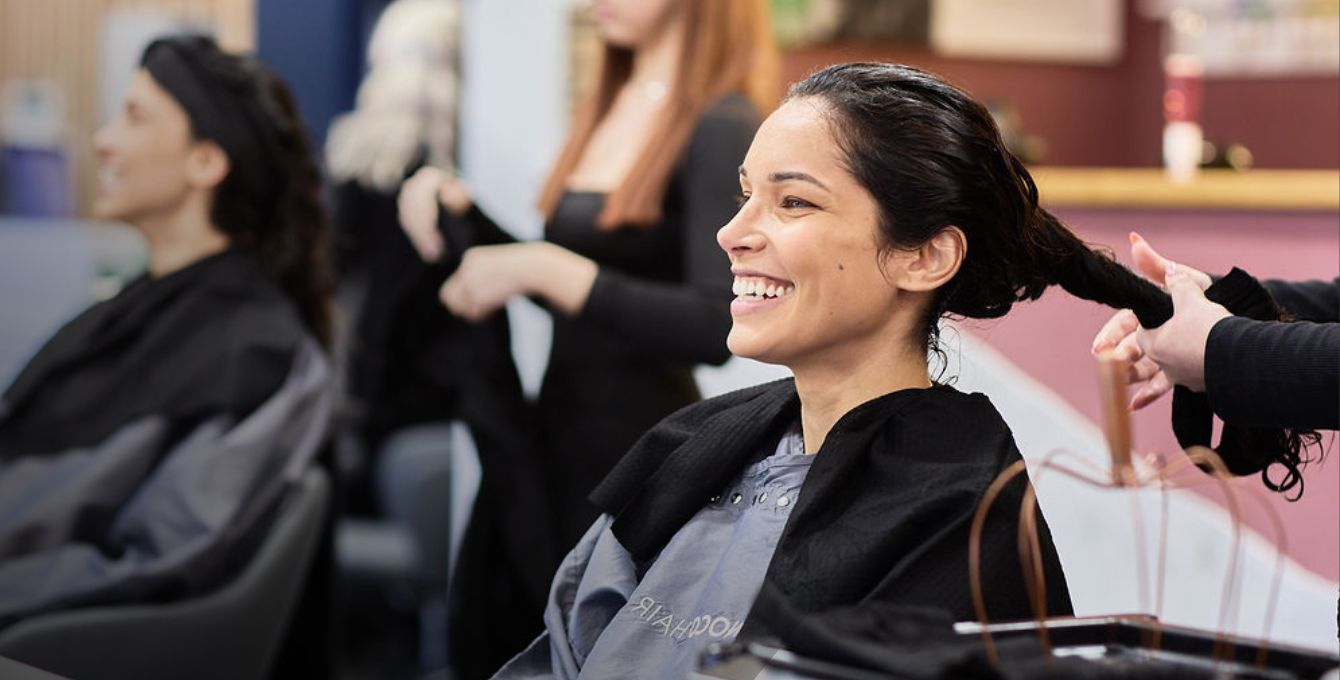
Every NOCO visit includes a scalp massage. Not just because it feels good. The science behind it is genuinely interesting.
Scalp Health
Wellbeing
Hair Growth
Every visit to NOCO includes a scalp massage as standard. We do it because it feels good, yes. But the reasons go deeper than that. Head massages have a genuine and well-documented effect on physical and mental wellbeing that most people do not fully appreciate.
The history of head massage runs through European cave paintings, ancient Chinese texts and traditional Indian medicine. People have always understood intuitively that this kind of touch does something. Modern science has spent the last few decades catching up and confirming why.
What a head massage actually does
The real benefits
Supports hair growth. Several scientific studies from Japan and the US have indicated that regular scalp massage can increase hair thickness over time. The mechanism is thought to involve increased blood circulation to the scalp and stimulation of the dermal papilla cells, which regulate hair nutrition and growth. More research is ongoing, but the early results are encouraging.
Lowers blood pressure. Moving into a relaxed state reduces heart rate and eases muscle tension, both of which contribute to lower blood pressure. The pressure from a massage also pushes blood through congested areas, allowing fresh, oxygen-rich blood to flow in.
Balances the nervous system. Massage has been shown to activate the parasympathetic nervous system, which is the body’s relaxation response. Over time, regular massage is thought to strengthen this system, making it easier to shift into a calm state day to day.
Relieves headaches. Particularly effective for tension headaches and migraines. Increased blood flow to the scalp soothes symptoms by improving oxygen delivery and releasing built-up muscle tension.
Improves mood. Massage stimulates the release of serotonin, endorphins and oxytocin. These are not just relaxing in the moment. Studies have shown that regular massage can significantly reduce the symptoms of anxiety and depression over time.
Why we include it as standard
Putting a client into rest mode before we work on their hair genuinely helps the result. A relaxed scalp responds better. A relaxed client communicates better. The head massage is not an extra. It is part of how we work.
The nervous system piece
Your nervous system has two branches. The sympathetic, which triggers the fight or flight response, and the parasympathetic, which controls rest and recovery. These two are designed to balance each other. The problem is they were built to handle short, resolvable threats, not the kind of low-level ongoing stress that most people carry every day.
When stress remains unresolved, the sympathetic system stays activated longer than it should. Stress hormones continue to circulate. This is linked to high blood pressure, reduced cognitive function and a range of other problems over time.
Massage is one of the most effective ways to manually switch this off. The touch activates the parasympathetic response and encourages the body to release the hormones it needs to recover.
“It is good for your hair, good for your body and good for your mind. That is why it is part of every single NOCO visit.”
Noel Halligan · NOCO Hair Bristol
Watch: why the salon experience matters
We worked with the Industry Squad on this short video exploring why a high quality salon experience goes far beyond the haircut itself.
Watch the full video
You are currently viewing a placeholder content from YouTube. To access the actual content, click the button below. Please note that doing so will share data with third-party providers.
More Information
NOCO Hair in collaboration with the Industry Squad on the real value of a premium salon experience.
Can you do it at home?
Yes, and it is worth doing. A simple self-massage using your fingertips in slow circular motions across the scalp for a few minutes a day can make a noticeable difference to scalp health over time. Some people use a few drops of oil to help with glide. Others use a silicone scalp brush or an electric massager.
The professional version will always go deeper because a trained pair of hands can feel tension and respond to it in real time. But a consistent home routine between visits compounds the benefits significantly.
N
Written by
Noel Halligan
Co-founder and Senior Stylist · NOCO Hair Bristol
Noel Halligan is a Bristol-based hairstylist and salon educator with over 20 years of experience in colour and cutting. As co-founder of NOCO Hair, he has developed a consultation led approach to hairdressing that prioritises diagnosis before design. He works with clients on complex colour transformations and trains stylists through the NOCO Academy.
Experience it for yourself.
Every NOCO visit includes a shiatsu head massage at our fully reclining wash zone. Book your appointment and feel the difference.
Book Your Appointment
March 2026
Noel Halligan
NOCO Hair, Bristol
Colour
Bleach
Hair Health
Colour Advice · Bristol · NOCO Hair
Will Bleach Damage My Hair?
The honest answer is yes, to some degree. The better question is how much, and how to keep that to a minimum.
Bleach
Blonde Hair
Hair Condition
Bleach will always have some effect on hair structure. That is simply how the chemistry works. The question is not whether bleach causes damage at all, but how much, how it is managed, and whether the hair you have can handle what you are asking it to do.
Most problems with bleach happen either at home or when the condition of the hair is not properly assessed before the service begins. Both are avoidable with the right approach.
What bleach actually does to hair
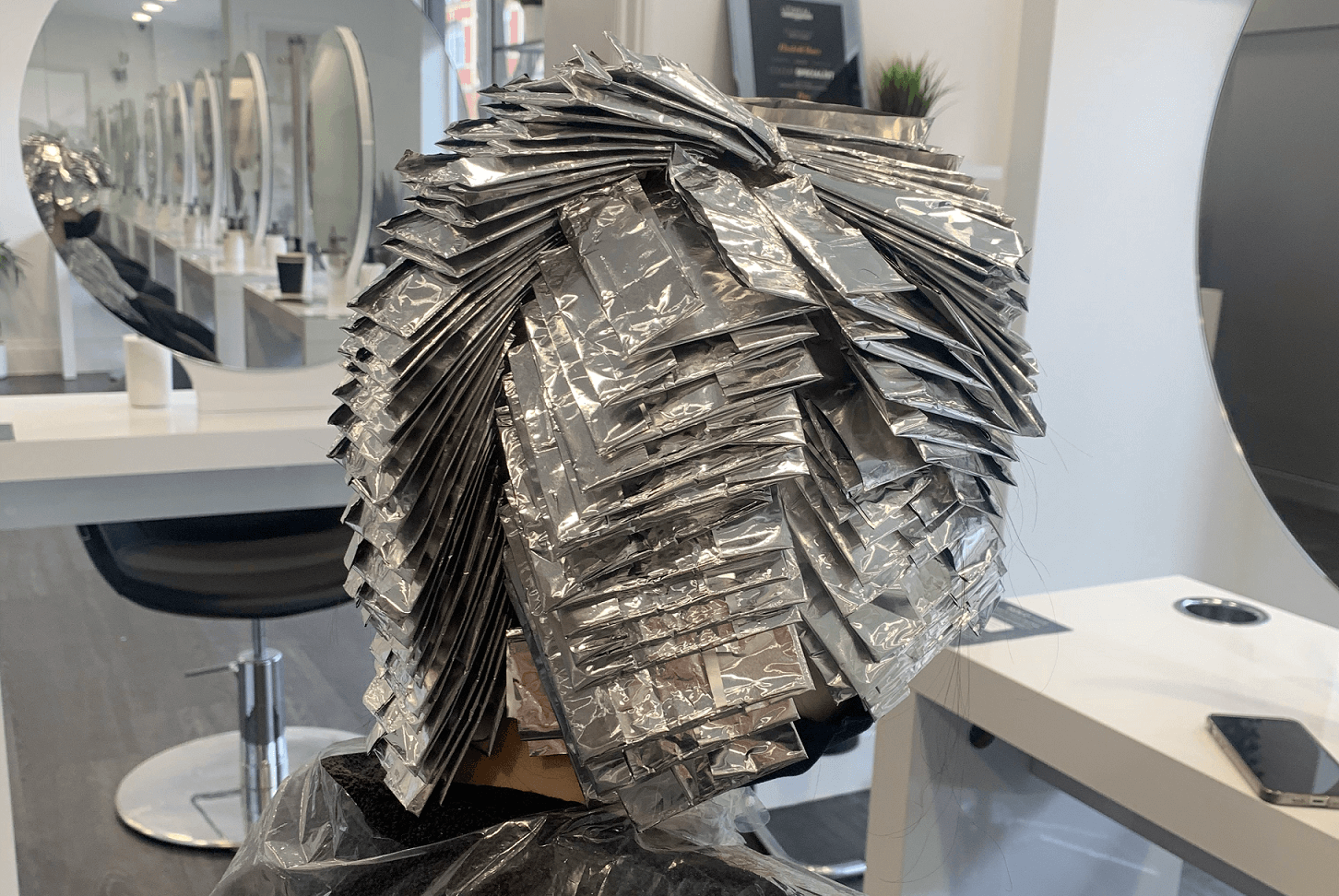
Bleach works by opening the outer cuticle of the hair shaft and reacting with the melanin inside. This oxidises the pigment, effectively removing the colour. The melanin is not removed from the hair; it is rendered colourless.
Once the natural pigment is lifted, what remains is the underlying pigment of the hair. Darker bases reveal red tones first, then orange, then yellow as they lift higher. A pre-lightener lifts this underlying pigment out. A toner is then used to neutralise the remaining warmth and achieve the finished colour.
Why toners fade
Toners sit on the outside of the hair and fade with washing over time. As they fade, the underlying warmth comes back through. This is why toning shampoos and regular gloss treatments are part of maintaining blonde hair, not optional extras.
Breakage versus hair loss
Bleach does not typically cause hair loss from the follicle. What it causes is breakage, and the two are frequently confused. Hair loss means the follicle is shedding. Breakage means the hair shaft is snapping at some point along its length.
There are two types of structural damage to understand. Porous hair has damage to the cuticle, the outer layer. It feels dry and lacks moisture, usually caused by heat. Sensitised hair has damage to the internal structure, which changes the elasticity. Sensitised hair either snaps immediately when stretched or stretches too far and does not return, like chewing gum. Both need to be identified before any bleach service proceeds.
Signs the hair is not ready for bleach
Stretches and does not return. Indicates sensitised hair with compromised internal structure. Bleaching at this point risks further breakage.
Snaps immediately when stretched. Indicates dry, brittle hair with poor elasticity. Needs protein and moisture work before any chemical service.
Feels rough, dry or porous. The cuticle is open and damaged. Bleach on porous hair lifts unevenly and unpredictably.
Previously over-lightened. Hair that has already been pushed to white or near-white has compromised internal structure. Further bleaching without significant recovery time risks irreversible damage.
Going from dark to blonde
Moving from a dark base to a light blonde in a single session is not possible safely. Each bleach application lifts the hair a certain number of levels depending on the strength used, the development time and the starting condition of the hair. Attempting too much lift in one session risks over-processing, which in serious cases means the hair loses structural integrity entirely.
The right approach is to lift in stages with recovery time between sessions. After the first application, a toner is used to improve the result while the hair recovers. A minimum of two weeks is needed before assessing whether the hair is strong enough to go again. This process takes longer than clients sometimes want, but the alternative is compromised hair that cannot be repaired, only cut off.
“When we treat hair, maintaining its condition is the priority. We do not carry out treatments that cause long-term damage to get a short-term result.”
Noel Halligan · NOCO Hair Bristol
Why home bleach is higher risk
Home bleach products are formulated for maximum lift because they are designed as a one-formula-fits-all solution. They cannot be adjusted for your specific hair condition, history or starting point. A professional mixes a bespoke formula based on your natural colour, previous colour history and current condition, then monitors the development in real time.
The other risk with home bleach is timing. The formula cannot tell you when to stop. Leaving bleach on too long causes accelerated damage and in extreme cases the hair structure can break down completely at the root and ends. At the salon this is prevented by ongoing visual and tactile assessment throughout the development process.
How to maintain bleached hair properly
What bleached hair actually needs
A shampoo and conditioner for chemically treated hair. Standard shampoos can strip colour and moisture. A formula designed for bleached or colour-treated hair protects the cuticle and extends the result.
Toning shampoo once or twice a week. Purple or blue toning shampoo neutralises brassiness as the toner fades. This is standard maintenance for blonde hair, not a treatment for a problem.
Regular protein treatments. Bleach reduces the natural protein in the hair. Bond-building treatments such as Olaplex or a Kérastase masque used weekly help rebuild structural integrity between appointments.
Reduced heat styling. Bleached hair is more vulnerable to heat damage than unprocessed hair. Lower temperatures and a heat protector applied before any heat tool significantly reduce ongoing damage.
Careful handling when wet. Hair is always most vulnerable when wet. Avoid brushing immediately after washing. Instead, gently press dry with a towel and allow to detangle naturally before brushing.
N
Written by
Noel Halligan
Co-founder and Senior Stylist · NOCO Hair Bristol
Noel Halligan is a Bristol-based hairstylist and salon educator with over 20 years of experience in colour and cutting. As co-founder of NOCO Hair, he has developed a consultation led approach to hairdressing that prioritises diagnosis before design. He works with clients on complex colour transformations and trains stylists through the NOCO Academy.
Thinking about going blonde?
Start with a consultation. We will assess your hair condition, explain exactly what is achievable and design a plan that gets you there safely.
Book a Colour Consultation