

This winter, NOCO Hair is offering 100 free haircuts to people in need across Bristol. Between 1 January and 28 February 2026, our team at Whiteladies Road will open our doors to local people through a network of ten Bristol charities, each receiving ten vouchers to use however they see fit.
Each charity can gift their vouchers to someone they support, raffle them to raise funds, or use them to recognise an outstanding volunteer. It is our way of giving something back to the city that has supported us since the beginning.
Where it started
The Care with Hair campaign grew from a single moment that changed how we think about what we do.
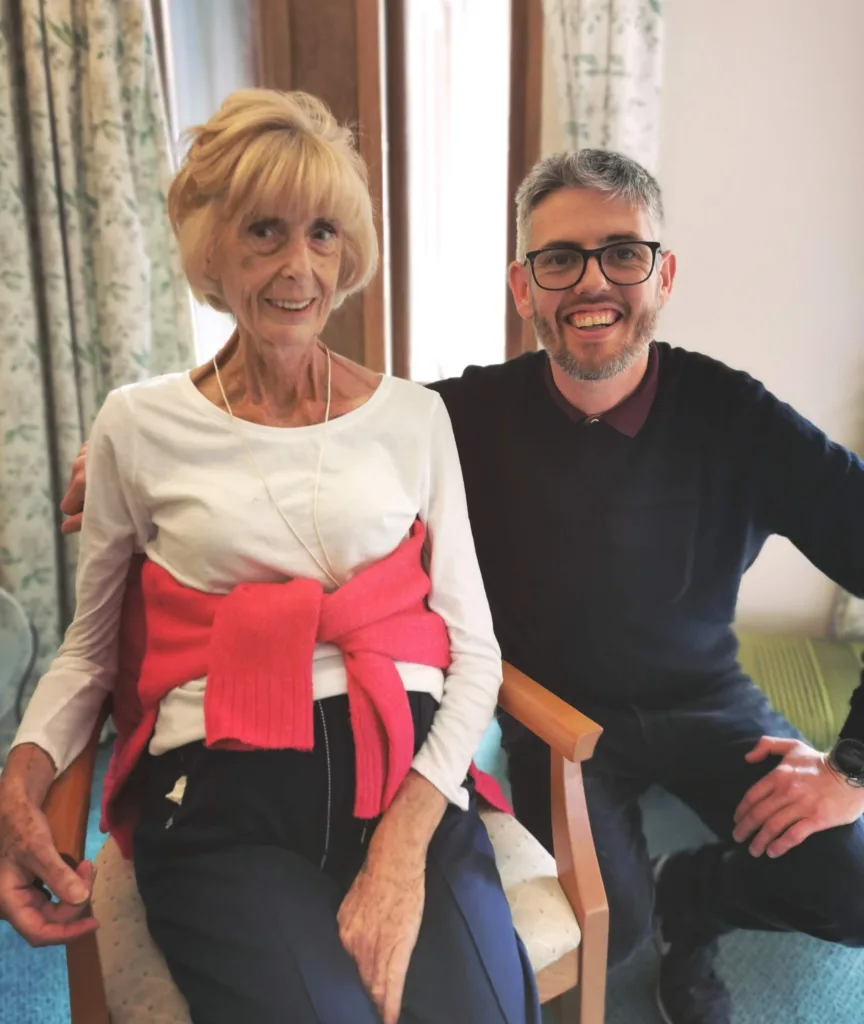
Years ago, I was invited to give a final haircut to one of my clients, Megan, in hospice care. That visit stayed with me. It revealed something that is easy to forget in the day-to-day of running a salon: that a haircut is not just about how someone looks. It is about how they feel. Seen. Cared for. Present.
That one act of compassion became the foundation for everything Care with Hair has grown into. What started as a personal response to a profound moment has become an annual commitment to the people of Bristol who need it most.
What Care with Hair is for
The campaign exists to help people feel confident, cared for and seen, particularly during difficult times. Recipients have included people going through cancer treatment and hair loss, people in recovery, and volunteers who spend their lives putting others first.
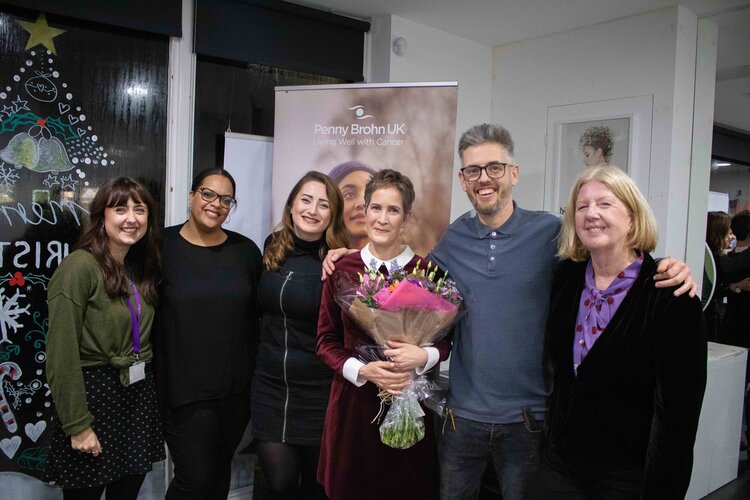
The NOCO team. Care with Hair is a team effort, every year.
Want to get involved?
If you are a local charity or organisation in Bristol and would like to take part in a future Care with Hair campaign, we would love to hear from you.
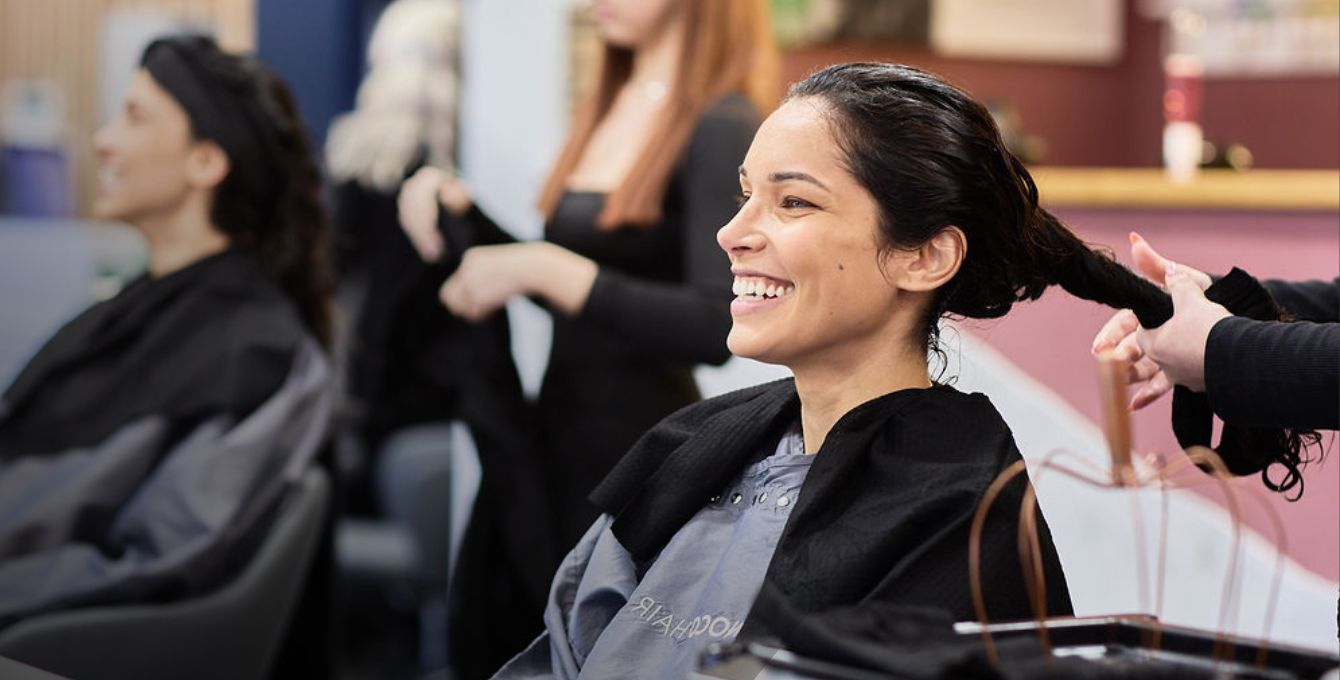
Every visit to NOCO includes a scalp massage as standard. We do it because it feels good, yes. But the reasons go deeper than that. Head massages have a genuine and well-documented effect on physical and mental wellbeing that most people do not fully appreciate.
The history of head massage runs through European cave paintings, ancient Chinese texts and traditional Indian medicine. People have always understood intuitively that this kind of touch does something. Modern science has spent the last few decades catching up and confirming why.
What a head massage actually does
The nervous system piece
Your nervous system has two branches. The sympathetic, which triggers the fight or flight response, and the parasympathetic, which controls rest and recovery. These two are designed to balance each other. The problem is they were built to handle short, resolvable threats, not the kind of low-level ongoing stress that most people carry every day.
When stress remains unresolved, the sympathetic system stays activated longer than it should. Stress hormones continue to circulate. This is linked to high blood pressure, reduced cognitive function and a range of other problems over time.
Massage is one of the most effective ways to manually switch this off. The touch activates the parasympathetic response and encourages the body to release the hormones it needs to recover.
Watch: why the salon experience matters
We worked with the Industry Squad on this short video exploring why a high quality salon experience goes far beyond the haircut itself.
Watch the full video
You are currently viewing a placeholder content from YouTube. To access the actual content, click the button below. Please note that doing so will share data with third-party providers.
More InformationNOCO Hair in collaboration with the Industry Squad on the real value of a premium salon experience.
Can you do it at home?
Yes, and it is worth doing. A simple self-massage using your fingertips in slow circular motions across the scalp for a few minutes a day can make a noticeable difference to scalp health over time. Some people use a few drops of oil to help with glide. Others use a silicone scalp brush or an electric massager.
The professional version will always go deeper because a trained pair of hands can feel tension and respond to it in real time. But a consistent home routine between visits compounds the benefits significantly.
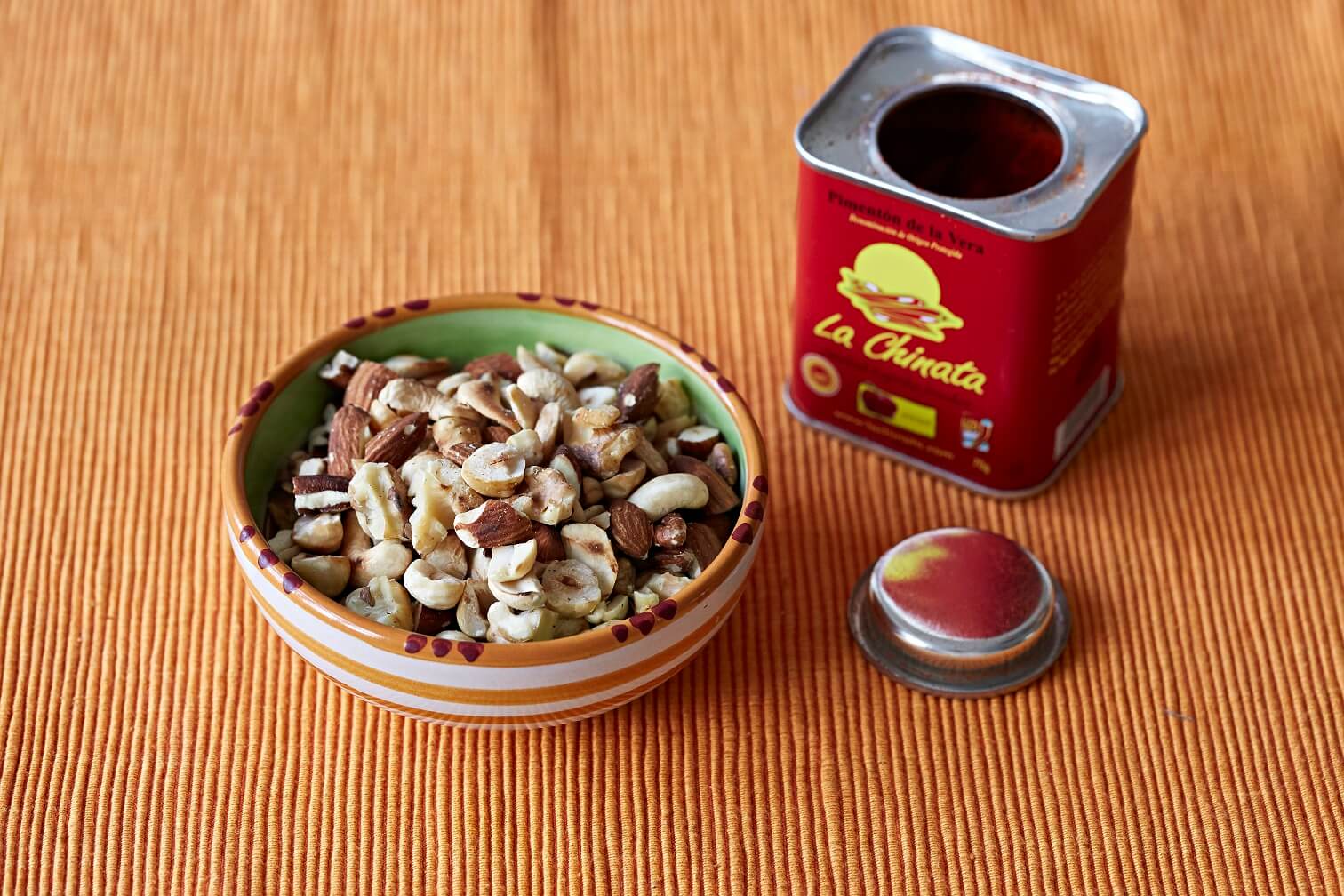
Does diet affect hair growth? Yes, it does. Hair condition is one of the first places your body shows a nutritional gap. Not dramatically, not overnight, but over time the quality, density and growth rate of your hair reflects what you are putting into your body.
We talk about this in the salon regularly. Someone comes in frustrated that their hair feels thinner, grows more slowly, or keeps breaking. They have tried products, changed their routine, and nothing seems to stick. Often the answer is not on the shelf. It is on the plate.
Why food matters for hair growth
Hair is not essential tissue. The body does not prioritise it the way it prioritises your heart or your organs. When your nutrition is depleted or unbalanced, hair is one of the first things to suffer because the body redirects resources to what matters most for survival.
This is why crash diets, restrictive eating and sudden changes in nutritional habits can trigger noticeable hair shedding within a few months. The hair you lose today often reflects what was happening in your body two to four months ago.
The nutrients that matter most
You do not need a complicated supplement regime. Most people simply need more of what is already available in a balanced diet. These are the nutrients we talk about most in the salon.
What tends to cause problems
Deficiency is one side of it. But we also see clients whose hair suffers because of what they are doing to their diet rather than what they are missing from it.
Yo-yo dieting puts the body under significant stress and hair is often the visible consequence. Cutting out entire food groups, particularly protein or fat, removes the building blocks the hair follicle needs. Juicing phases that replace full meals can look healthy on the outside while quietly depleting the nutrients your scalp depends on.
The body is not designed to process dramatic nutritional swings. Hair, being non-essential tissue, reflects those swings quite clearly.
What you can do
Start with the basics before reaching for supplements. A varied diet with enough protein, plenty of vegetables and adequate healthy fats covers most of what your hair needs. Specific deficiencies are worth investigating properly through a GP or nutritionist rather than guessing.
If your hair has been noticeably thinner, shedding more or growing more slowly over the past few months, a blood test checking iron, ferritin, vitamin D and thyroid function is a sensible starting point. These are the markers we most commonly see linked to hair changes in the salon.
And remember, the hair you are seeing today is a reflection of what was happening two to four months ago. If you have recently improved your diet, the results will come. They just take a little time to show up.
When diet is only part of the picture
Nutrition is one piece of it. But hair condition is also influenced by stress, hormonal changes, the products you use, heat styling, and the physical condition of your scalp. A proper consultation looks at all of these together rather than treating them as separate problems.
If your hair has been concerning you and a dietary change has not made a difference, it is worth coming in for a proper assessment. We can identify whether the issue is nutritional, structural, scalp related or a combination, and give you a clear plan from there.
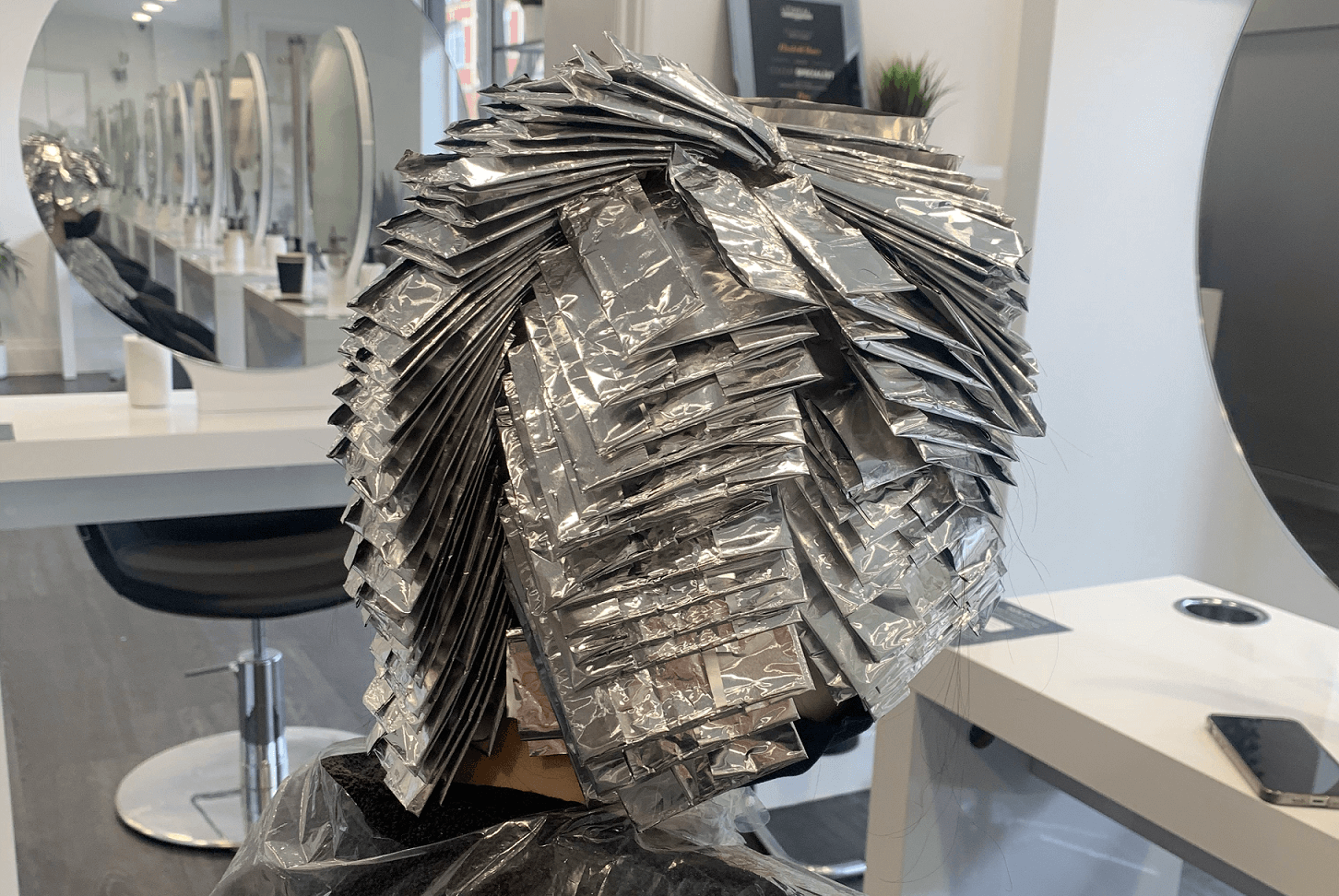
Bleach will always have some effect on hair structure. That is simply how the chemistry works. The question is not whether bleach causes damage at all, but how much, how it is managed, and whether the hair you have can handle what you are asking it to do.
Most problems with bleach happen either at home or when the condition of the hair is not properly assessed before the service begins. Both are avoidable with the right approach.
What bleach actually does to hair
Bleach works by opening the outer cuticle of the hair shaft and reacting with the melanin inside. This oxidises the pigment, effectively removing the colour. The melanin is not removed from the hair; it is rendered colourless.
Once the natural pigment is lifted, what remains is the underlying pigment of the hair. Darker bases reveal red tones first, then orange, then yellow as they lift higher. A pre-lightener lifts this underlying pigment out. A toner is then used to neutralise the remaining warmth and achieve the finished colour.
Breakage versus hair loss
Bleach does not typically cause hair loss from the follicle. What it causes is breakage, and the two are frequently confused. Hair loss means the follicle is shedding. Breakage means the hair shaft is snapping at some point along its length.
There are two types of structural damage to understand. Porous hair has damage to the cuticle, the outer layer. It feels dry and lacks moisture, usually caused by heat. Sensitised hair has damage to the internal structure, which changes the elasticity. Sensitised hair either snaps immediately when stretched or stretches too far and does not return, like chewing gum. Both need to be identified before any bleach service proceeds.
Going from dark to blonde
Moving from a dark base to a light blonde in a single session is not possible safely. Each bleach application lifts the hair a certain number of levels depending on the strength used, the development time and the starting condition of the hair. Attempting too much lift in one session risks over-processing, which in serious cases means the hair loses structural integrity entirely.
The right approach is to lift in stages with recovery time between sessions. After the first application, a toner is used to improve the result while the hair recovers. A minimum of two weeks is needed before assessing whether the hair is strong enough to go again. This process takes longer than clients sometimes want, but the alternative is compromised hair that cannot be repaired, only cut off.
Why home bleach is higher risk
Home bleach products are formulated for maximum lift because they are designed as a one-formula-fits-all solution. They cannot be adjusted for your specific hair condition, history or starting point. A professional mixes a bespoke formula based on your natural colour, previous colour history and current condition, then monitors the development in real time.
The other risk with home bleach is timing. The formula cannot tell you when to stop. Leaving bleach on too long causes accelerated damage and in extreme cases the hair structure can break down completely at the root and ends. At the salon this is prevented by ongoing visual and tactile assessment throughout the development process.
How to maintain bleached hair properly
You are currently viewing a placeholder content from Facebook. To access the actual content, click the button below. Please note that doing so will share data with third-party providers.
More InformationYou need to load content from reCAPTCHA to submit the form. Please note that doing so will share data with third-party providers.
More InformationYou are currently viewing a placeholder content from Hubspot Embedded Content. To access the actual content, click the button below. Please note that doing so will share data with third-party providers.
More InformationYou are currently viewing a placeholder content from HubSpot. To access the actual content, click the button below. Please note that doing so will share data with third-party providers.
More InformationYou are currently viewing a placeholder content from Hubspot Meetings. To access the actual content, click the button below. Please note that doing so will share data with third-party providers.
More InformationYou are currently viewing a placeholder content from reCAPTCHA. To access the actual content, click the button below. Please note that doing so will share data with third-party providers.
More Information