

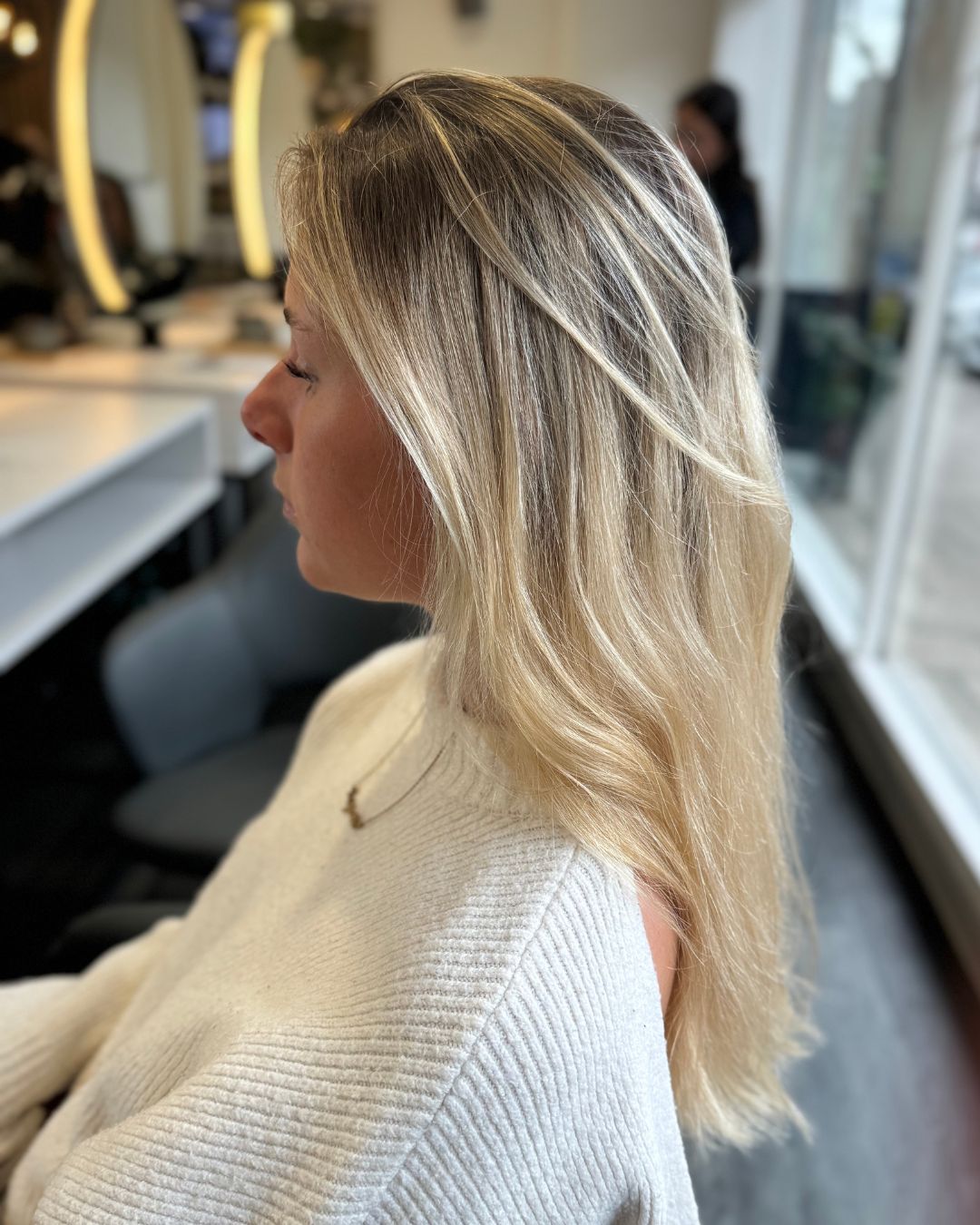
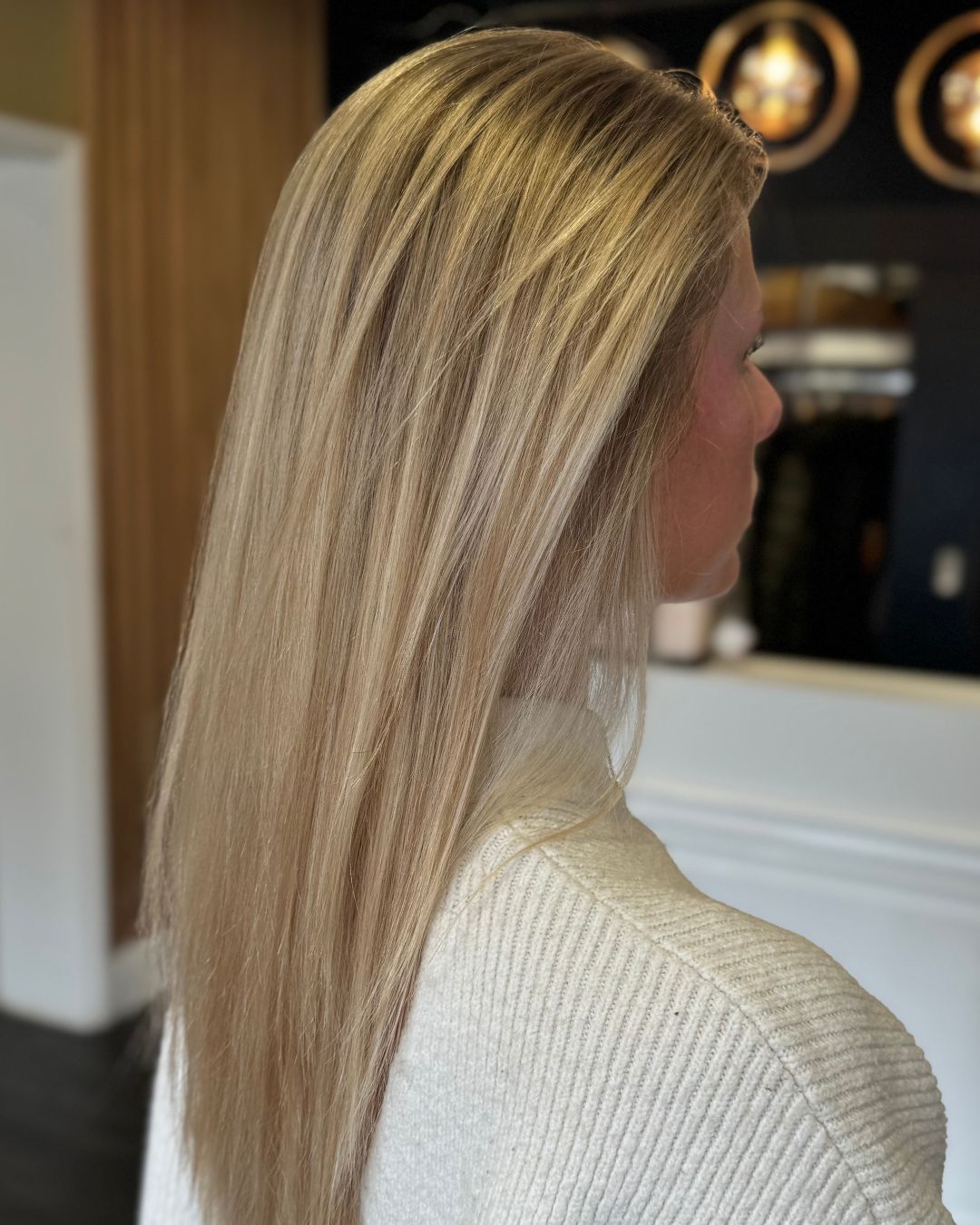
Blonde highlights in Bristol done well start with a conversation not a colour chart. For Lilybelle at NOCO Hair Bristol, that conversation changed everything. She did not just want lighter hair. She wanted to feel fresh, vibrant and confident walking out of the salon. Catching the light was the goal.
That is the conversation that shapes everything that follows.
Where she was starting from
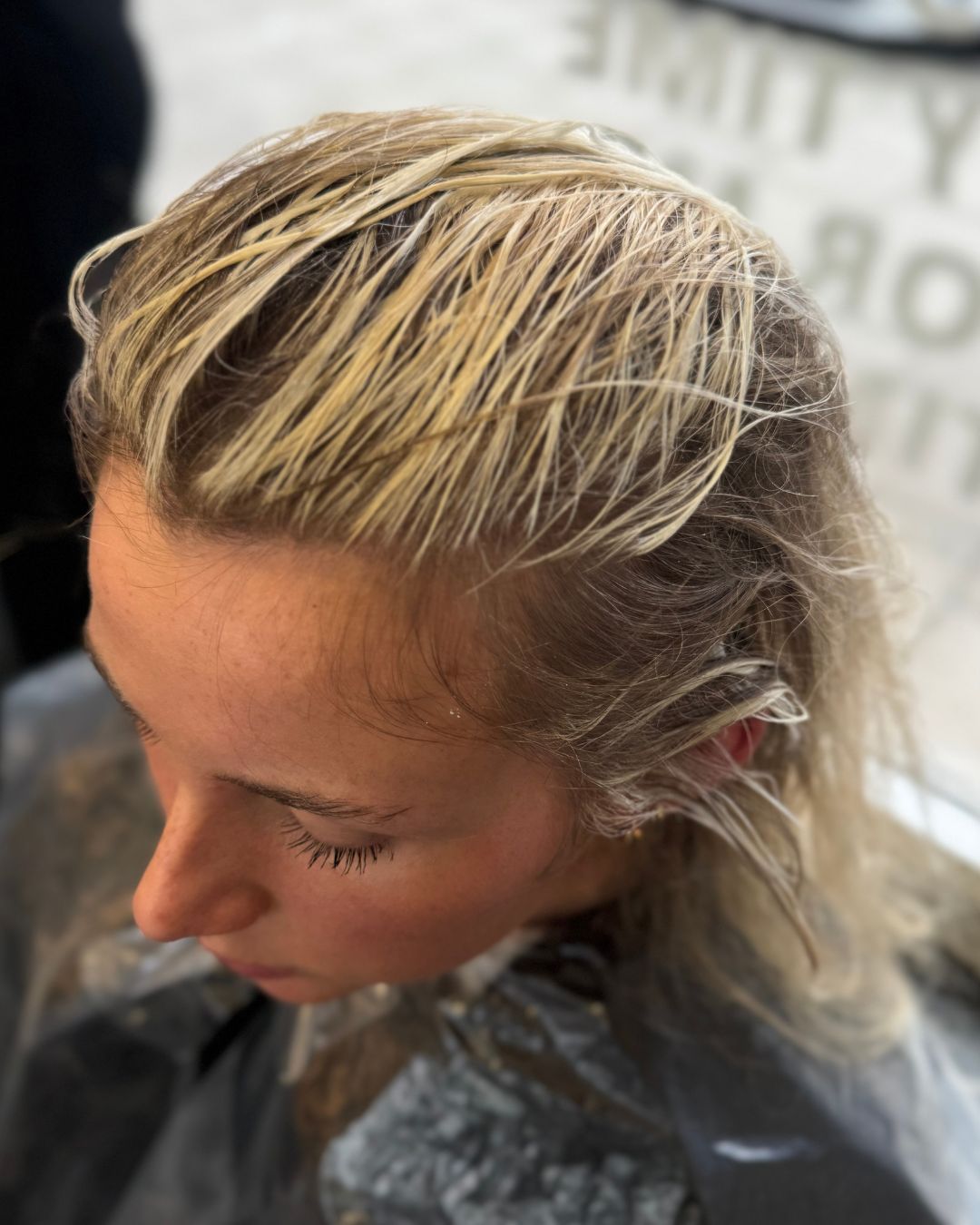
Lilybelle had last been in for colour six months earlier, back in September. Her natural regrowth had come through noticeably darker at the root, creating a visible contrast against her lighter ends. The lengths were in reasonable condition, but the overall effect was heavy and flat. The brightness that had made her hair feel alive was gone.
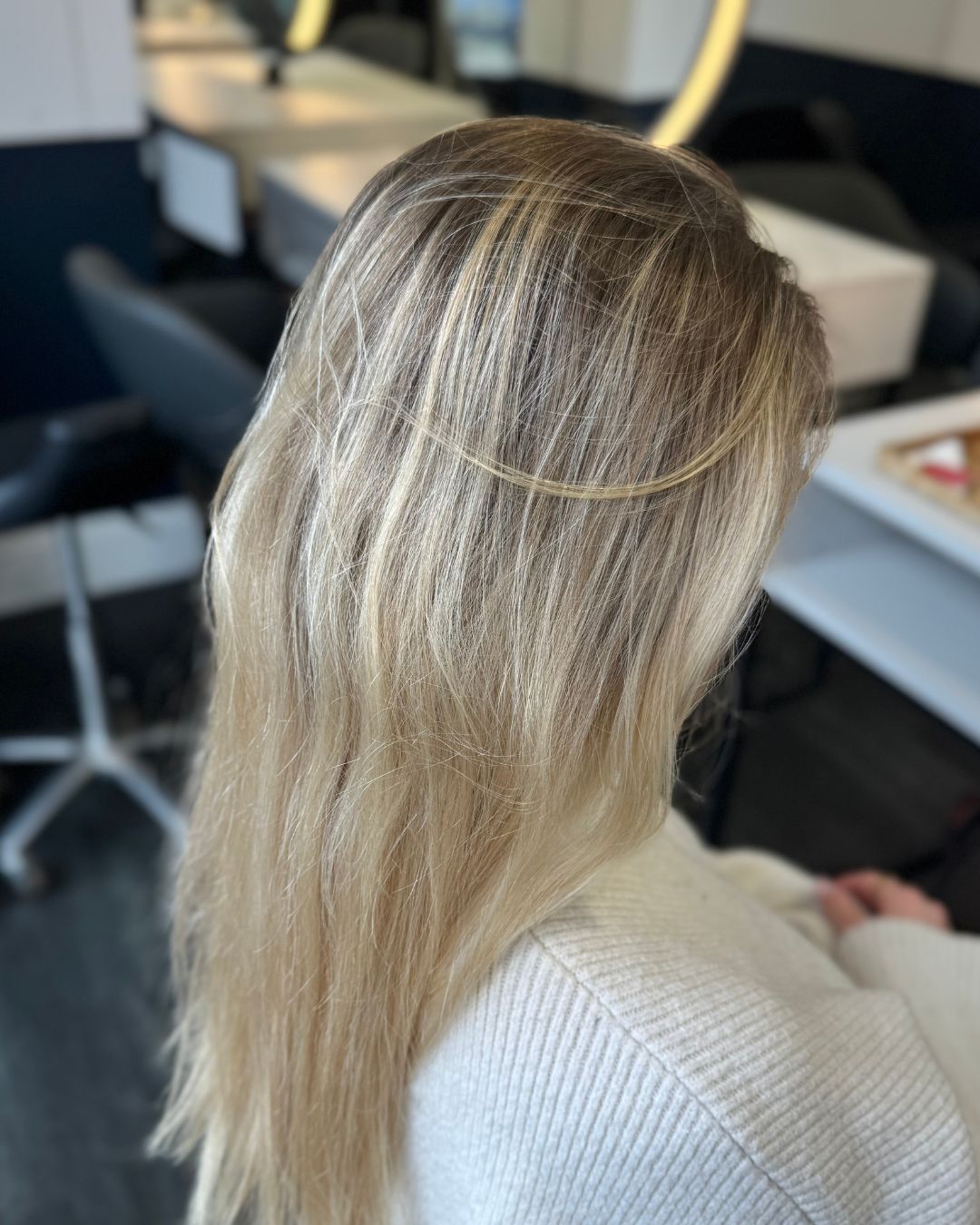
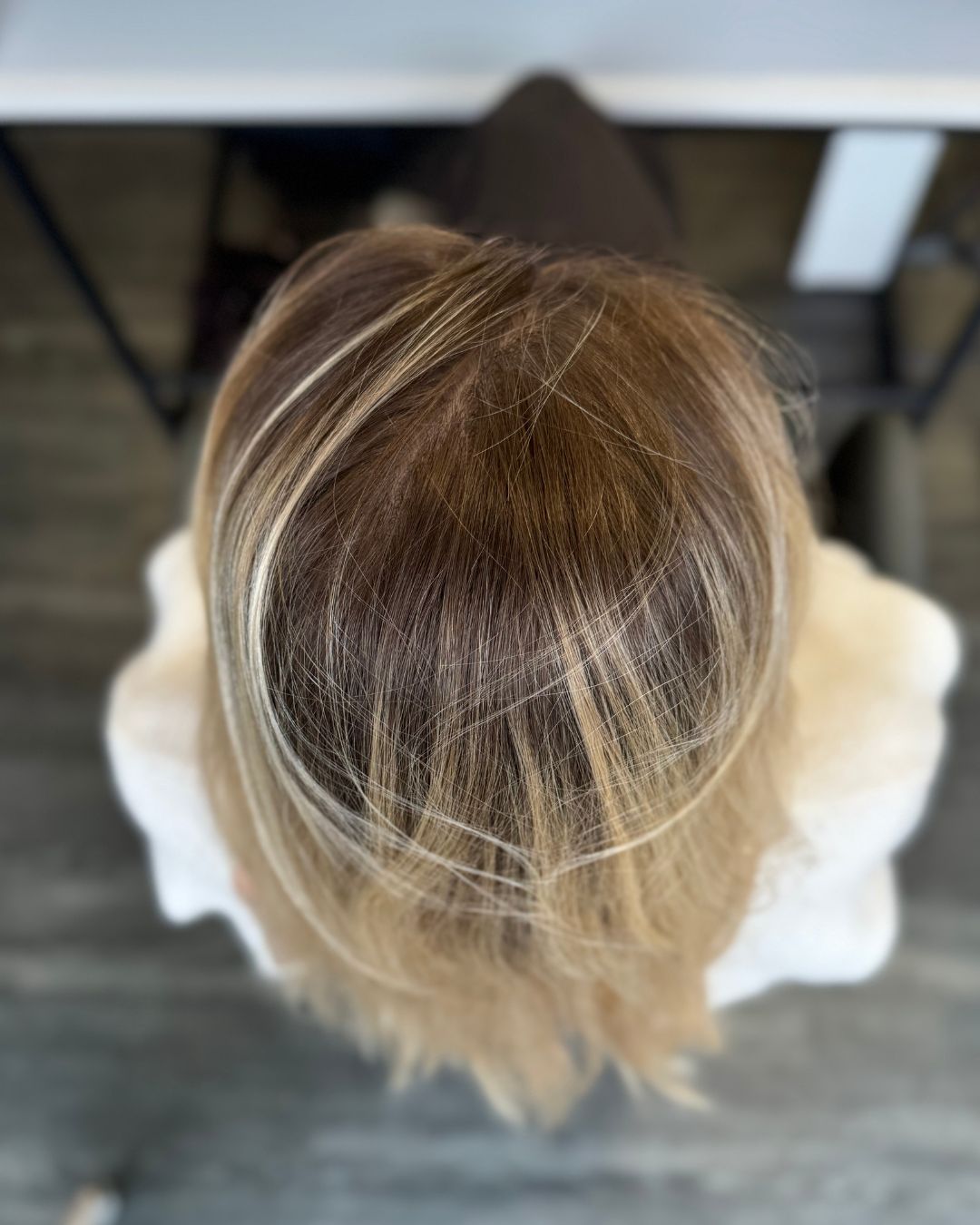
The top down photograph says it most plainly. A wide band of darker natural growth contrasting against the lighter blonde below. Not damaged. Not in bad shape. But flat, heavy and without energy.
What she told us in the consultation
We took Lilybelle through our full consultation before touching a thing. She was clear about what she wanted and equally clear about what she did not want.
What she wanted: Brightness back, especially around the face. A warm, creamy blonde with dimension. Something that looked healthy and luminous. The feeling she had when she left after her September appointment.
What she did not want: Nothing ashy or cool. Nothing too dark. No brassiness. And above all, she wanted the condition of her hair protected throughout.
The inspiration
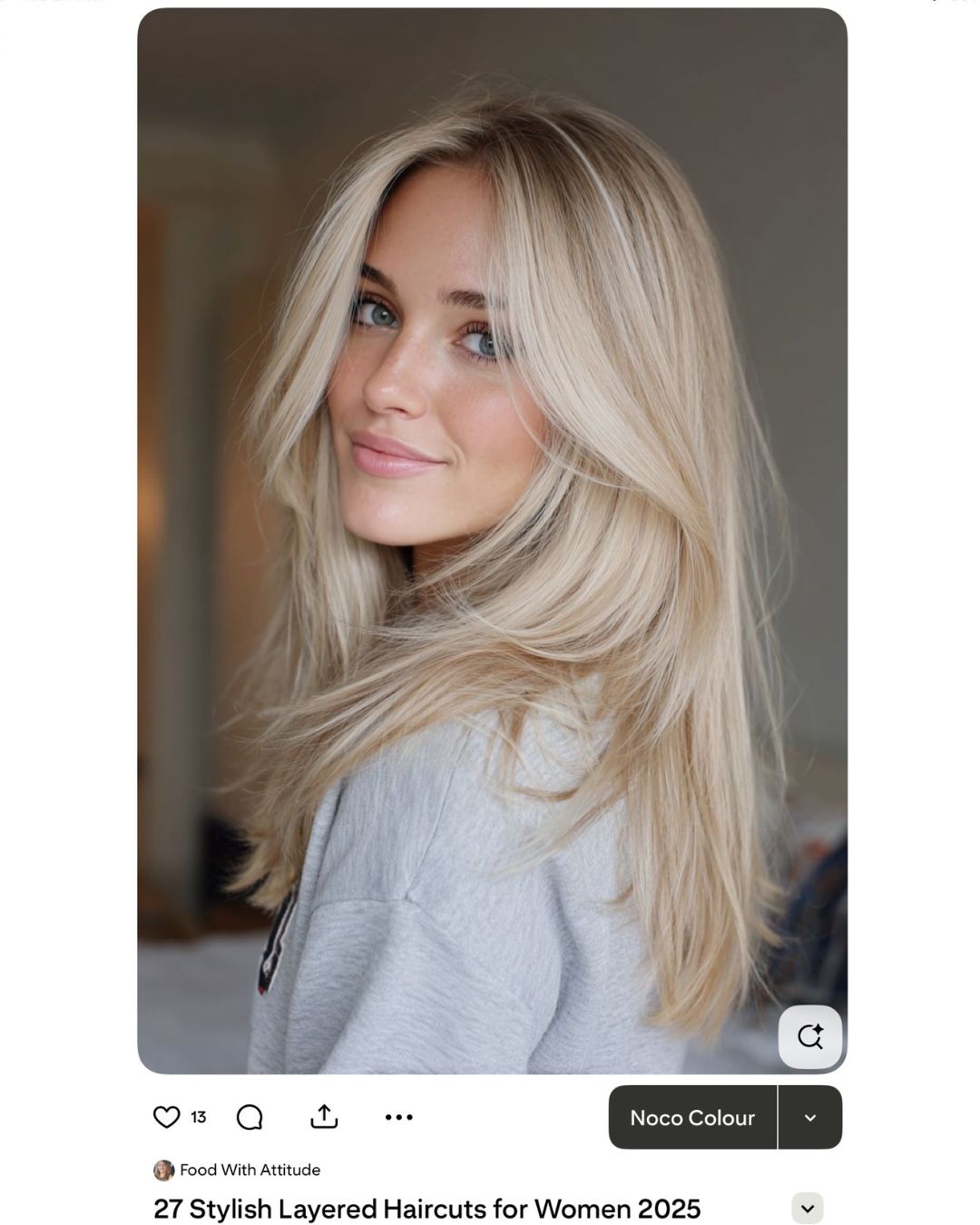
Lilybelle came with reference images showing long, layered blonde hair with soft dimension. Both had the same quality she was drawn to: brightness around the face, warmth through the lengths, and a lived-in quality that felt effortless rather than overdone. That brief guided every decision in the process that followed.
Our approach to blonde highlights in Bristol
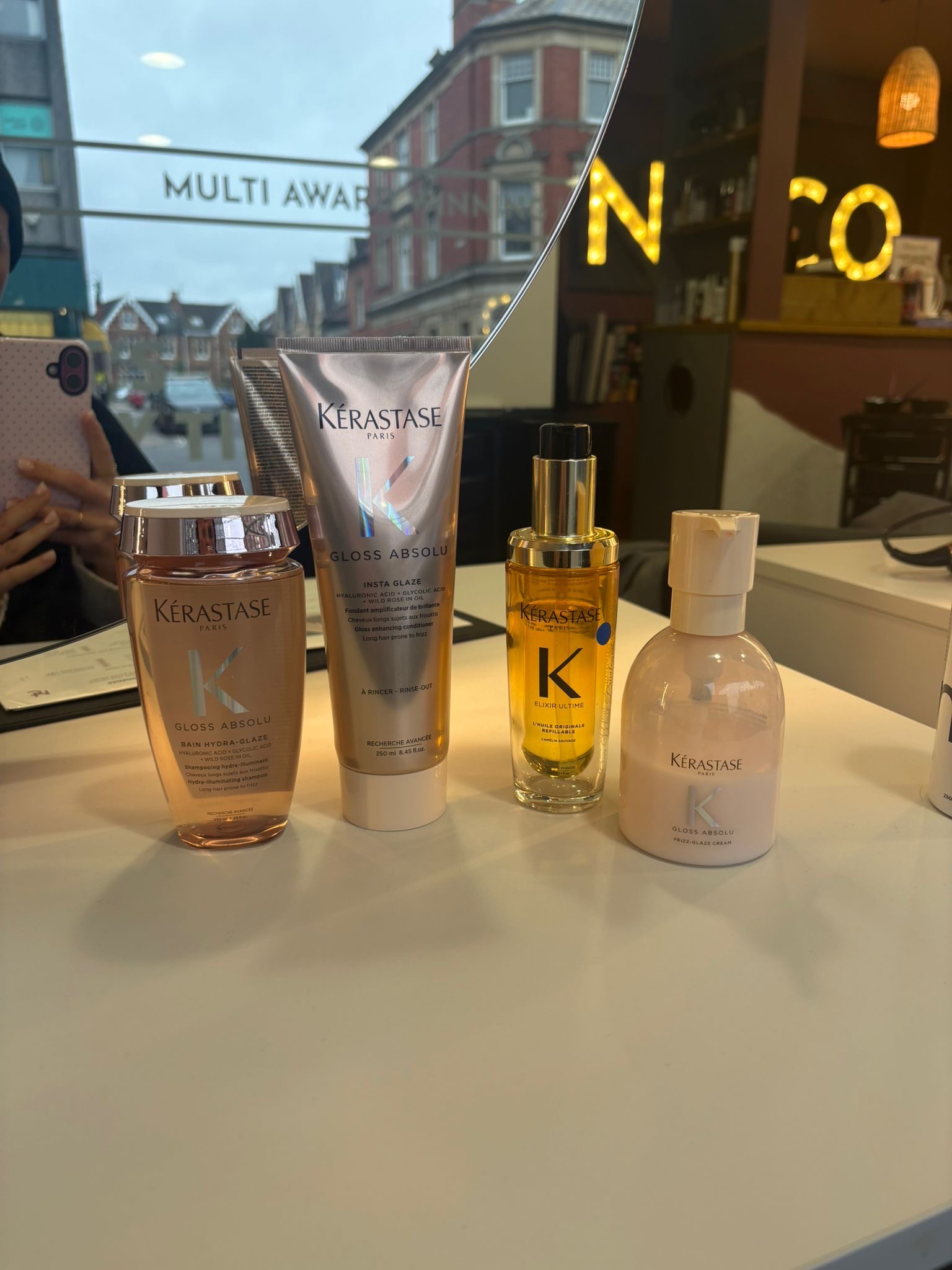
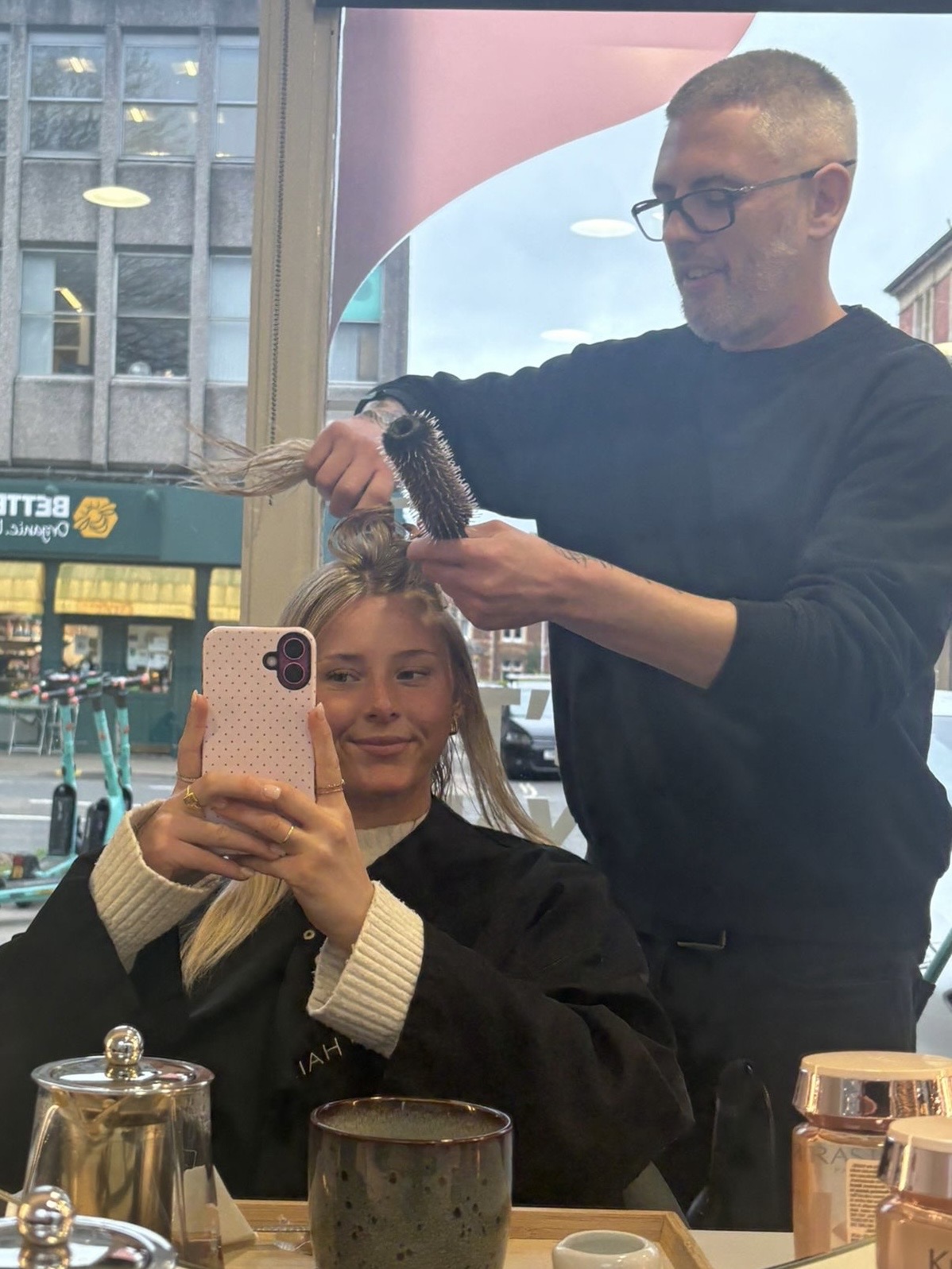
With the brief clear, the plan came together quickly. A full head of highlights to flood the hair with brightness, working particularly around the face. We would then tone the result to land in that warm, creamy blonde territory, and finish with our deluxe treatment package to ensure the condition matched the colour.
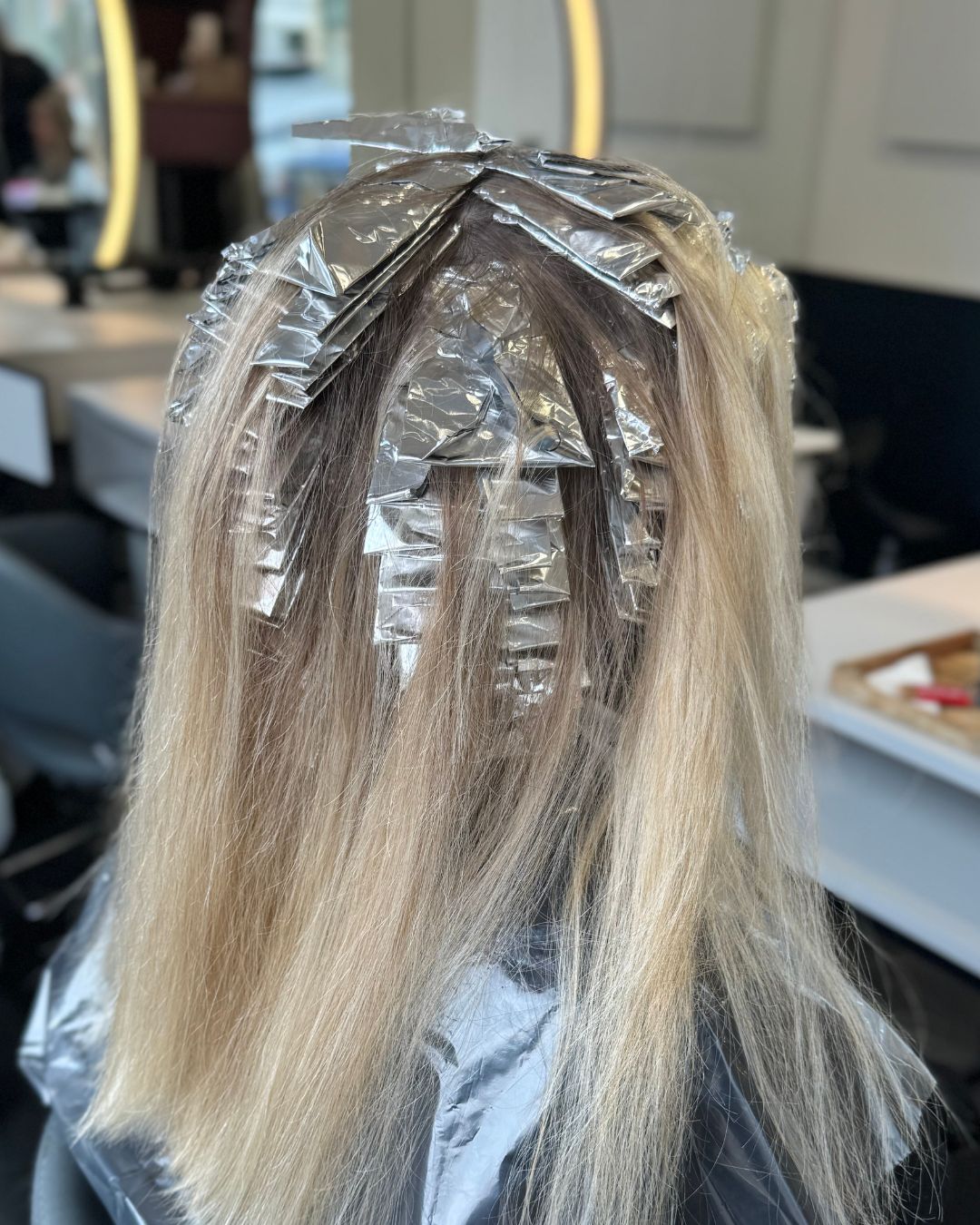
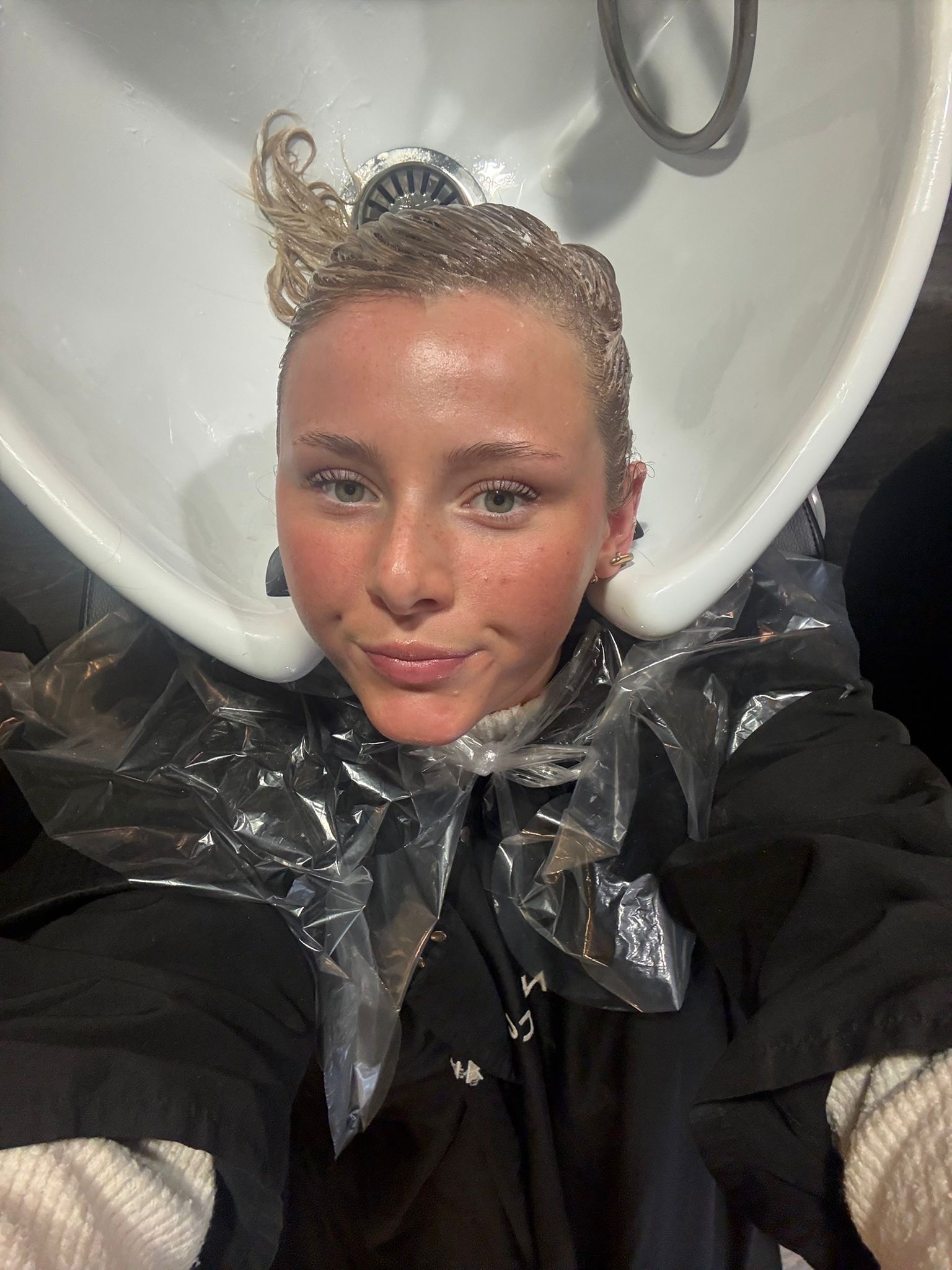
The treatment package
This is where Lilybelle’s result went from good to exceptional. Lightening services put the hair under stress. The way you manage that stress determines not just how the hair looks when the client leaves, but how it behaves for the weeks that follow.
The result
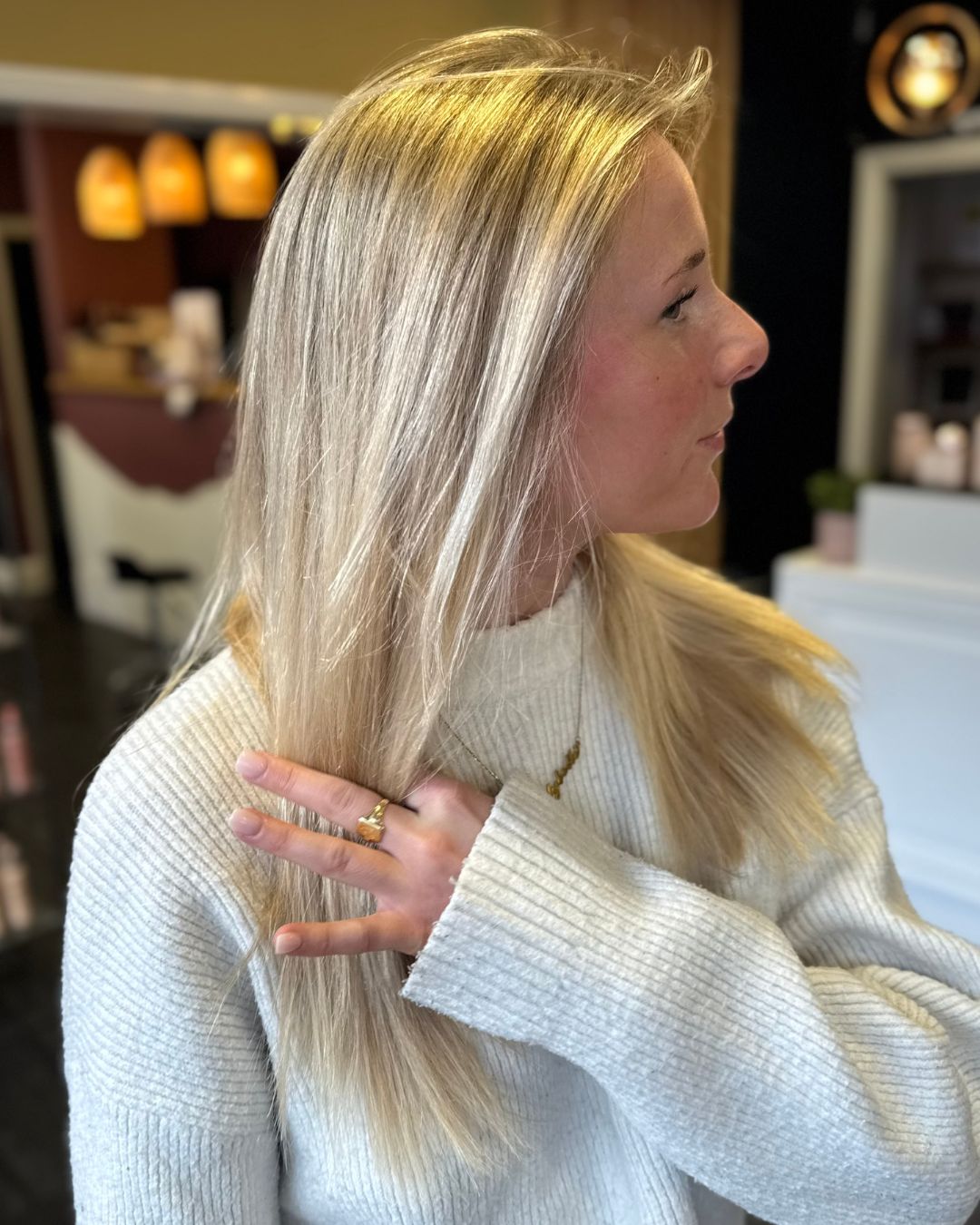
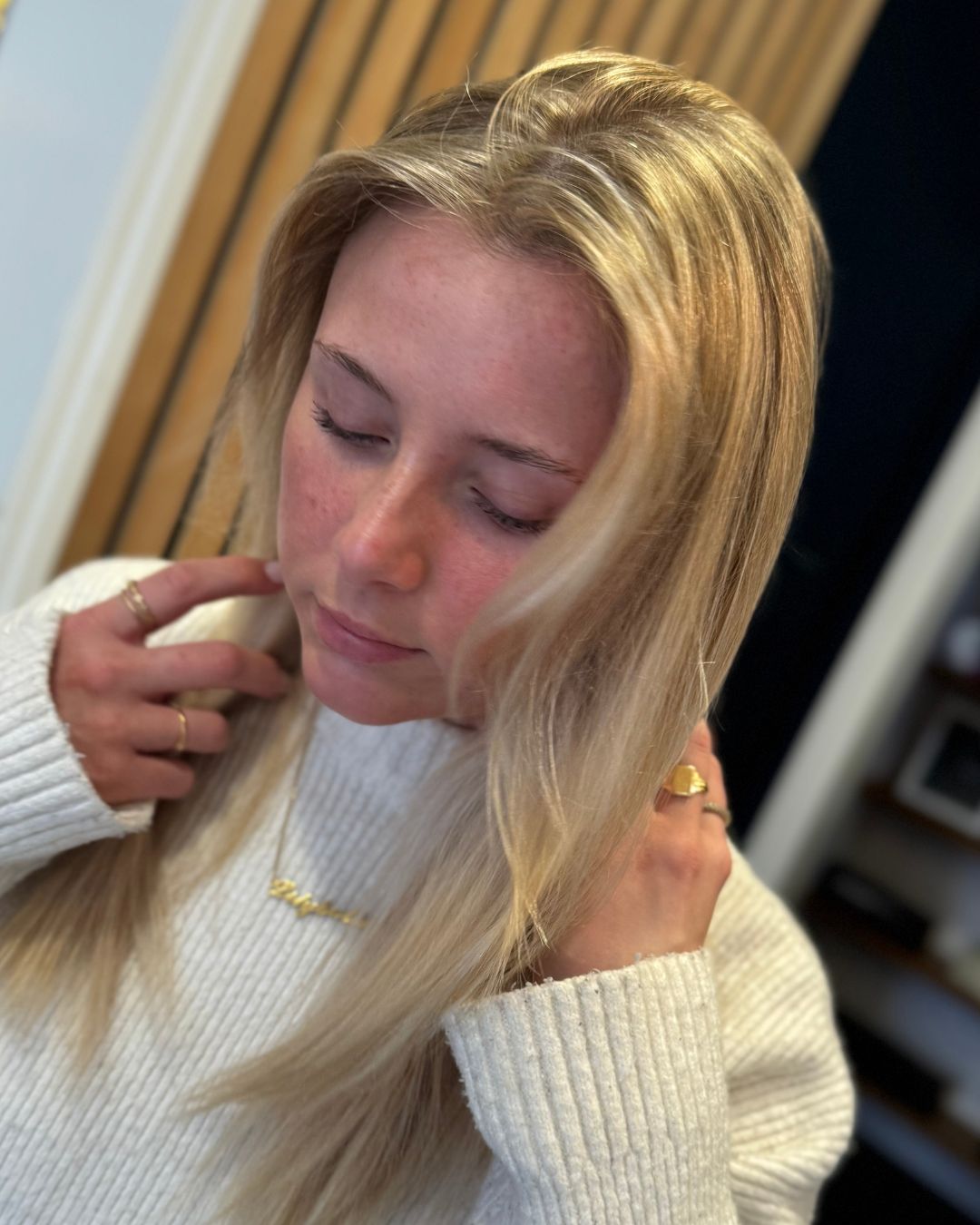
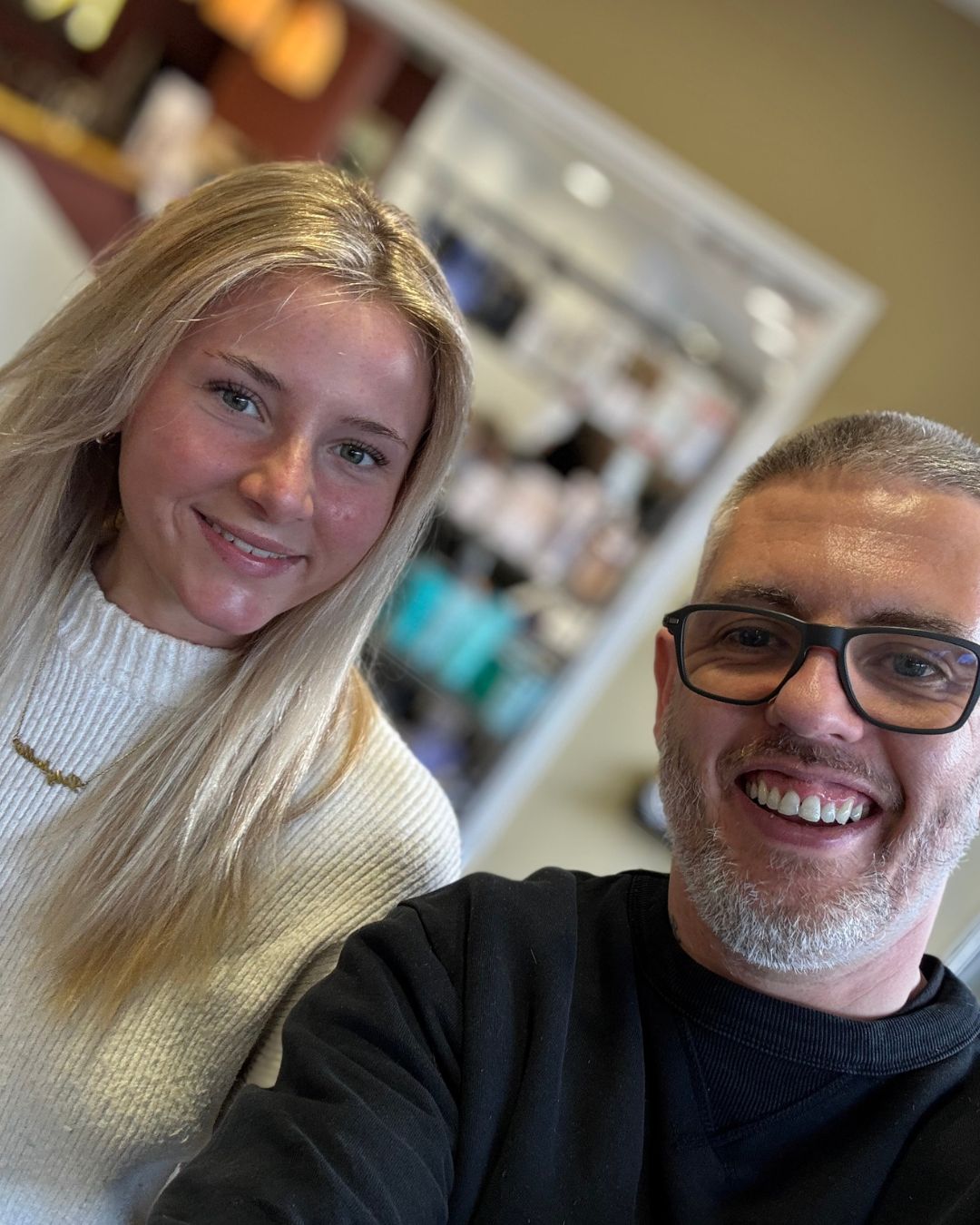
The transformation speaks for itself. Six months of regrowth and a flat, heavy colour replaced with a creamy, luminous blonde that catches the light exactly as she described. The face framing is bright without being stark. The lengths have dimension. The condition is exceptional.
Why the consultation made the difference
What made this result possible was not just the technical skill involved. It was the conversation that happened before any colour was mixed.
At NOCO Hair Bristol, every blonde highlights consultation is recorded and documented. Before we touched Lilybelle’s hair, we had a clear record of exactly what she wanted, what she did not want, how she manages her hair at home, and what result she was expecting to leave with. Her non-negotiables were on record. Her inspiration images were documented.
That documentation does two things. It means the stylist has a complete brief to work from. And it means the client leaves knowing that everything they said was heard and acted on.
Lilybelle’s consultation took just under twenty minutes. The colour and cut took four hours. But those twenty minutes were what made the four hours count.
The investment
We believe in being transparent about pricing. Here is exactly what Lilybelle’s appointment included and what it cost.
How often you should get your hair cut depends on your hair length, texture, how much heat or chemical processing it goes through, and what you are trying to achieve. For most people, somewhere between every six and twelve weeks is the right range, but the right answer for you sits within that depending on your specific situation.
The most important reason to keep up with regular cuts is not style. It is health. Split ends left unchecked travel up the hair shaft, causing frizz, breakage and dullness that no product can fully reverse.
Why haircut timing matters
Hair grows roughly half an inch a month. For short or layered styles, that growth quickly changes the shape and balance of the cut. For longer hair, the ends are the oldest and most vulnerable part of the hair shaft, and they accumulate damage over time from heat, styling and environmental exposure.
A regular cut removes that damage before it spreads. It also keeps your style looking intentional rather than grown out.
How often by hair type and length

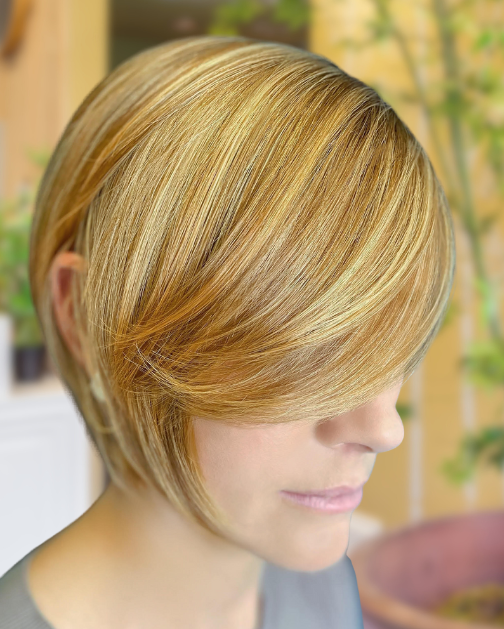
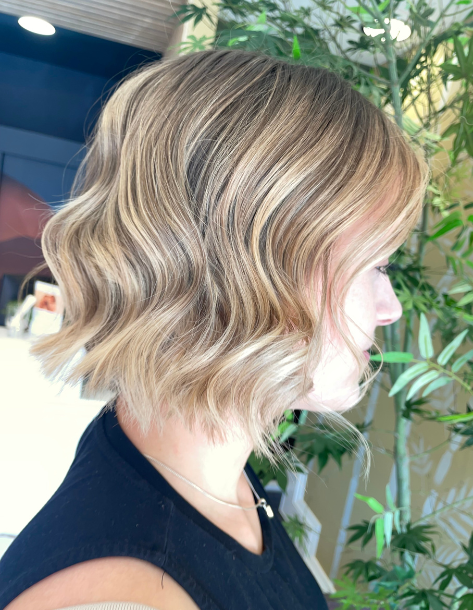
Precision cuts maintained regularly always look intentional.
What about fringes?
Most people trim their fringe roughly every four weeks, or whenever it reaches a length that bothers them. Because the fringe sits directly in the line of sight, it is easier to spot when it needs attention than the ends of the rest of your hair. Many clients manage this themselves between appointments, which is perfectly fine with the right scissors and a steady hand.
What if you are growing your hair out?
Trimming while growing your hair is not counterproductive. It feels that way, but leaving split ends to travel up the shaft costs you more length than the trim does. Even when growing, having a small amount taken off every three months keeps the ends healthy and means the length you are growing is retained rather than breaking off.
Ask your stylist specifically to maintain the length while removing damage. A good stylist will take the minimum necessary to keep the ends healthy without sacrificing length unnecessarily.
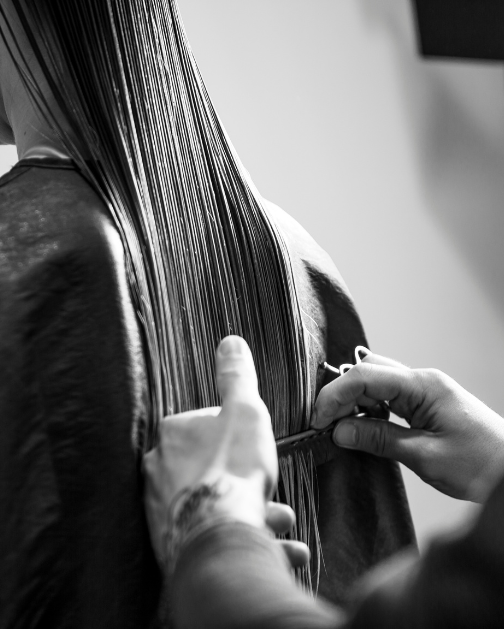
A precise cut maintained regularly always looks intentional.
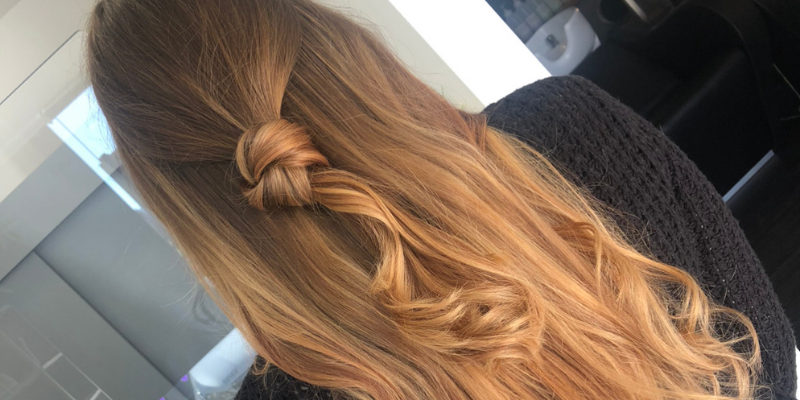
Whether you trusted your hair to the wrong stylist or an attempt at home colouring went sideways, a dye mishap can feel like a nightmare. But no hair colour disaster is completely unfixable in the right hands. The first step is understanding what actually went wrong.
Colouring hair is a more delicate process than the box dye adverts suggest, particularly when bleach is involved. Here is what we see most often and what can be done about each one.
Brassiness and bad blonde
Blonde is one of the most popular colour results and one of the easiest to get wrong. Too much lift in one direction can leave you with green-grey ashy tones, orange brassiness or a yellow that reads more Barbie than beachy.
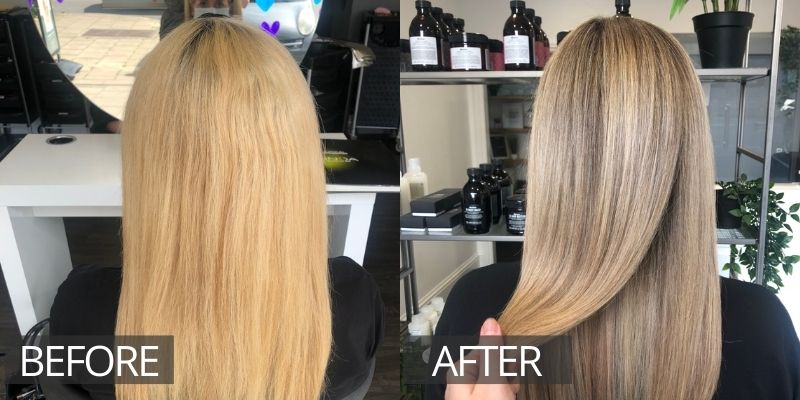
Colour correction work at NOCO Hair Bristol.
Hot roots
Hot roots appear when the hair at the root develops differently from the rest, creating a two-tone effect that looks unintentional. It happens most often when previously processed hair reacts differently to fresh colour, or when the heat from the scalp causes the dye at the root to develop faster and lift higher than the lengths.
A small amount of anti-brass or cool toner applied to the roots can help at home. In a salon, a colourist can correct hot roots using a slightly deeper shade at the root to balance the overall result. For future colour, applying the dye to roots last, after coating the lengths, reduces the risk of this happening again.
Colour that has gone too dark or intense
Left colour on too long? The first response is to wash immediately, several times if needed. A clarifying shampoo strips colour faster than a regular shampoo. Follow immediately with a deep conditioning treatment as clarifying shampoo is harsh on the hair structure.
From there, a stylist can advise the best route. In some cases the dye can be removed or lifted. In others, encouraging it to fade naturally over a few weeks while protecting the hair is the better option. Highlights or balayage can also be used to break up the intensity and lighten the overall effect without a full removal process.
Patchy or uneven coverage
Patchy colour coverage is one of the most common results of home dye jobs and can also happen with inexperienced stylists. The causes range from incorrectly mixed product to uneven application, damaged hair that absorbs colour inconsistently, or missed sections.
A professional can identify exactly what caused the patchiness and correct it using a combination of targeted re-colouring, toner, gloss treatments or condition work depending on the root cause. Colour often needs more than one pass to build depth evenly, in the same way that painting a wall benefits from an undercoat before the finish coat.
Stripey or chunky highlights
Bold, visible streaks rather than blended highlights usually happen when sections placed in foil are too thick. The result lacks the dimension and movement that makes highlights look natural.
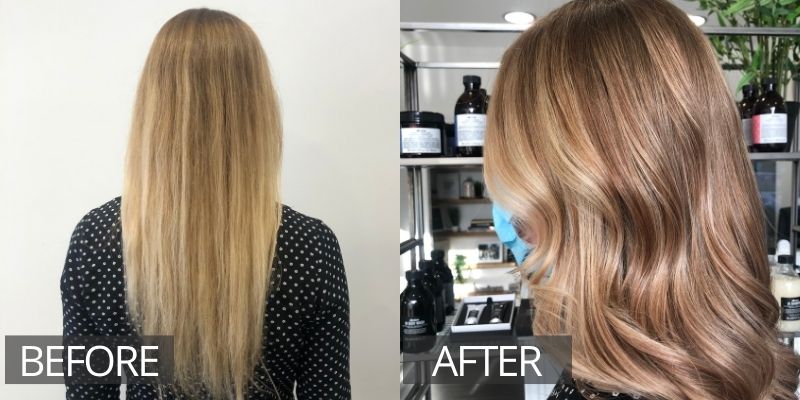
Balayage used to soften and blend overly chunky highlight work at NOCO Hair Bristol.
The two most effective salon fixes are blending the base colour back through to reduce the contrast between highlighted and unhighlighted sections, or using balayage to hand-paint colour in a way that disguises the foil sections and creates a more gradual, natural result.
Hair dye on skin
Staining around the hairline, neck and ears is extremely common. At the salon we use a professional stain remover. At home, milk on cotton wool works surprisingly well. Regular soap and water clears most fresh stains. For anything more stubborn, baby oil, a gentle body scrub or a small amount of rubbing alcohol applied lightly without scrubbing will usually clear it.
Prevention is more effective than removal. Always use gloves when colouring at home, wipe any drips immediately before they set, and apply a barrier of moisturiser or Vaseline around the hairline before you start.
Damaged hair after colouring
Bleach and permanent dyes work by lifting the outer protective layer of the hair shaft. This is necessary for the colour to penetrate, but it leaves the hair more vulnerable to breakage, frizz, dryness and heat damage until that outer layer recovers.
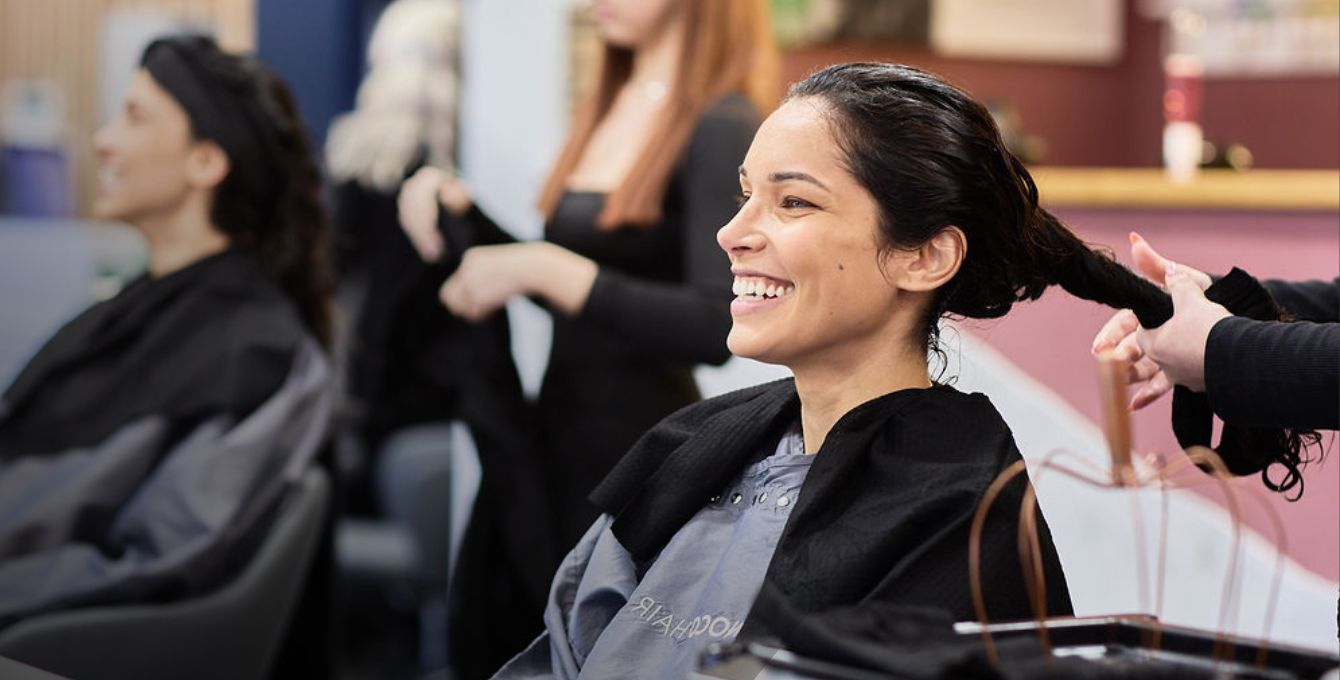
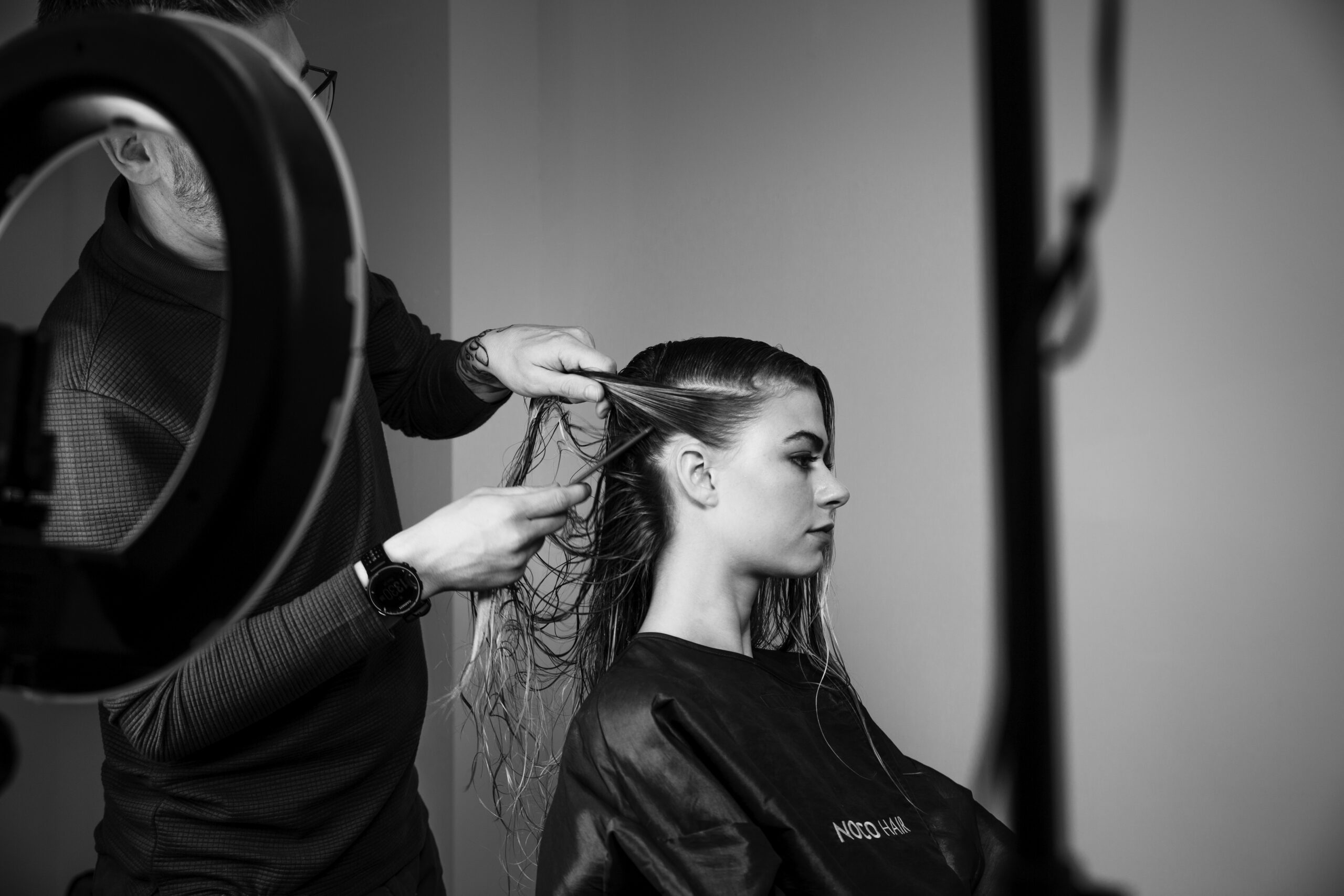
Every visit to NOCO includes a scalp massage as standard. We do it because it feels good, yes. But the reasons go deeper than that. Head massages have a genuine and well-documented effect on physical and mental wellbeing that most people do not fully appreciate.
The history of head massage runs through European cave paintings, ancient Chinese texts and traditional Indian medicine. People have always understood intuitively that this kind of touch does something. Modern science has spent the last few decades catching up and confirming why.
What a head massage actually does
The nervous system piece
Your nervous system has two branches. The sympathetic, which triggers the fight or flight response, and the parasympathetic, which controls rest and recovery. These two are designed to balance each other. The problem is they were built to handle short, resolvable threats, not the kind of low-level ongoing stress that most people carry every day.
When stress remains unresolved, the sympathetic system stays activated longer than it should. Stress hormones continue to circulate. This is linked to high blood pressure, reduced cognitive function and a range of other problems over time.
Massage is one of the most effective ways to manually switch this off. The touch activates the parasympathetic response and encourages the body to release the hormones it needs to recover.
Watch: why the salon experience matters
We worked with the Industry Squad on this short video exploring why a high quality salon experience goes far beyond the haircut itself.
Watch the full video
You are currently viewing a placeholder content from YouTube. To access the actual content, click the button below. Please note that doing so will share data with third-party providers.
More InformationNOCO Hair in collaboration with the Industry Squad on the real value of a premium salon experience.
Can you do it at home?
Yes, and it is worth doing. A simple self-massage using your fingertips in slow circular motions across the scalp for a few minutes a day can make a noticeable difference to scalp health over time. Some people use a few drops of oil to help with glide. Others use a silicone scalp brush or an electric massager.
The professional version will always go deeper because a trained pair of hands can feel tension and respond to it in real time. But a consistent home routine between visits compounds the benefits significantly.
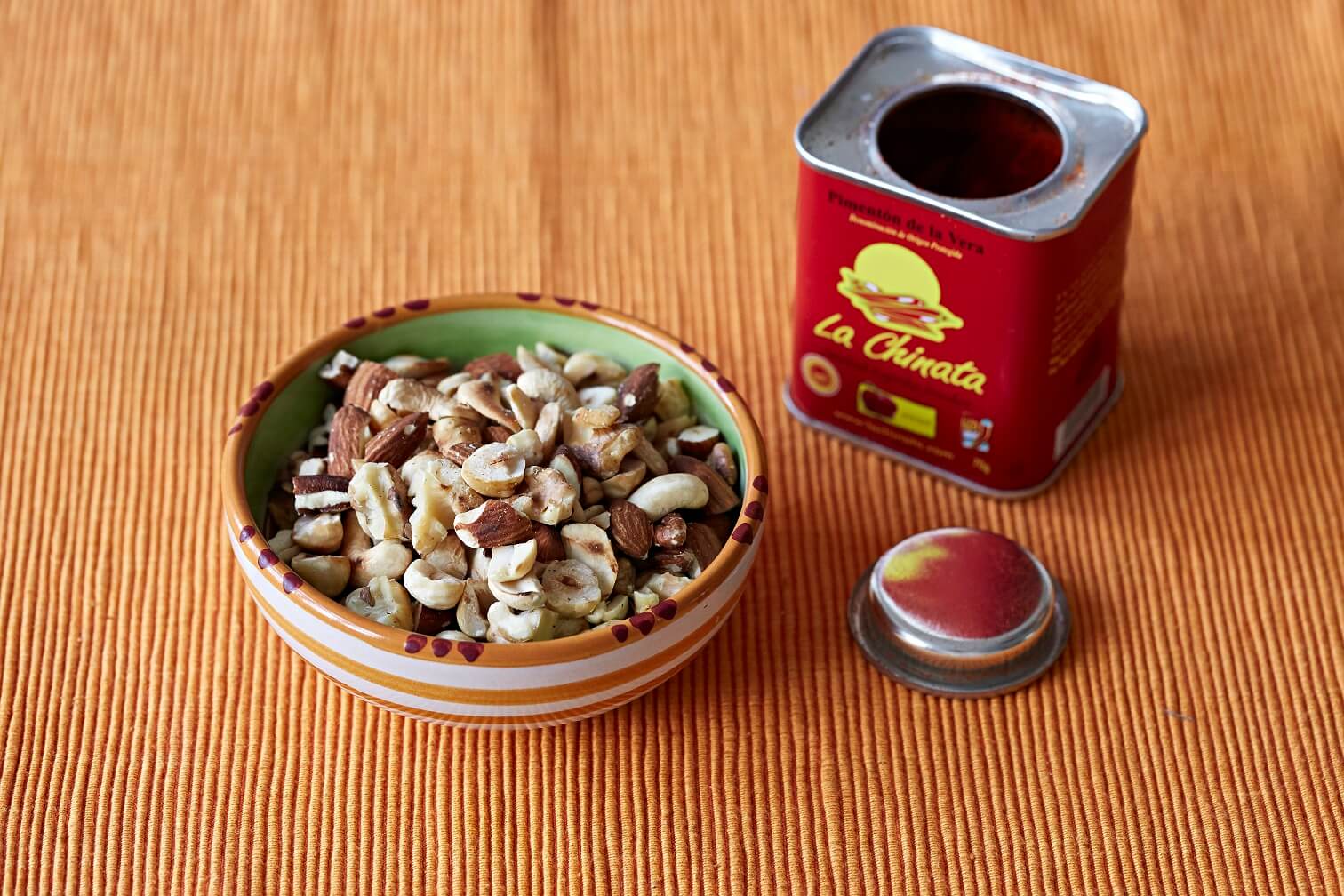
Does diet affect hair growth? Yes, it does. Hair condition is one of the first places your body shows a nutritional gap. Not dramatically, not overnight, but over time the quality, density and growth rate of your hair reflects what you are putting into your body.
We talk about this in the salon regularly. Someone comes in frustrated that their hair feels thinner, grows more slowly, or keeps breaking. They have tried products, changed their routine, and nothing seems to stick. Often the answer is not on the shelf. It is on the plate.
Why food matters for hair growth
Hair is not essential tissue. The body does not prioritise it the way it prioritises your heart or your organs. When your nutrition is depleted or unbalanced, hair is one of the first things to suffer because the body redirects resources to what matters most for survival.
This is why crash diets, restrictive eating and sudden changes in nutritional habits can trigger noticeable hair shedding within a few months. The hair you lose today often reflects what was happening in your body two to four months ago.
The nutrients that matter most
You do not need a complicated supplement regime. Most people simply need more of what is already available in a balanced diet. These are the nutrients we talk about most in the salon.
What tends to cause problems
Deficiency is one side of it. But we also see clients whose hair suffers because of what they are doing to their diet rather than what they are missing from it.
Yo-yo dieting puts the body under significant stress and hair is often the visible consequence. Cutting out entire food groups, particularly protein or fat, removes the building blocks the hair follicle needs. Juicing phases that replace full meals can look healthy on the outside while quietly depleting the nutrients your scalp depends on.
The body is not designed to process dramatic nutritional swings. Hair, being non-essential tissue, reflects those swings quite clearly.
What you can do
Start with the basics before reaching for supplements. A varied diet with enough protein, plenty of vegetables and adequate healthy fats covers most of what your hair needs. Specific deficiencies are worth investigating properly through a GP or nutritionist rather than guessing.
If your hair has been noticeably thinner, shedding more or growing more slowly over the past few months, a blood test checking iron, ferritin, vitamin D and thyroid function is a sensible starting point. These are the markers we most commonly see linked to hair changes in the salon.
And remember, the hair you are seeing today is a reflection of what was happening two to four months ago. If you have recently improved your diet, the results will come. They just take a little time to show up.
When diet is only part of the picture
Nutrition is one piece of it. But hair condition is also influenced by stress, hormonal changes, the products you use, heat styling, and the physical condition of your scalp. A proper consultation looks at all of these together rather than treating them as separate problems.
If your hair has been concerning you and a dietary change has not made a difference, it is worth coming in for a proper assessment. We can identify whether the issue is nutritional, structural, scalp related or a combination, and give you a clear plan from there.